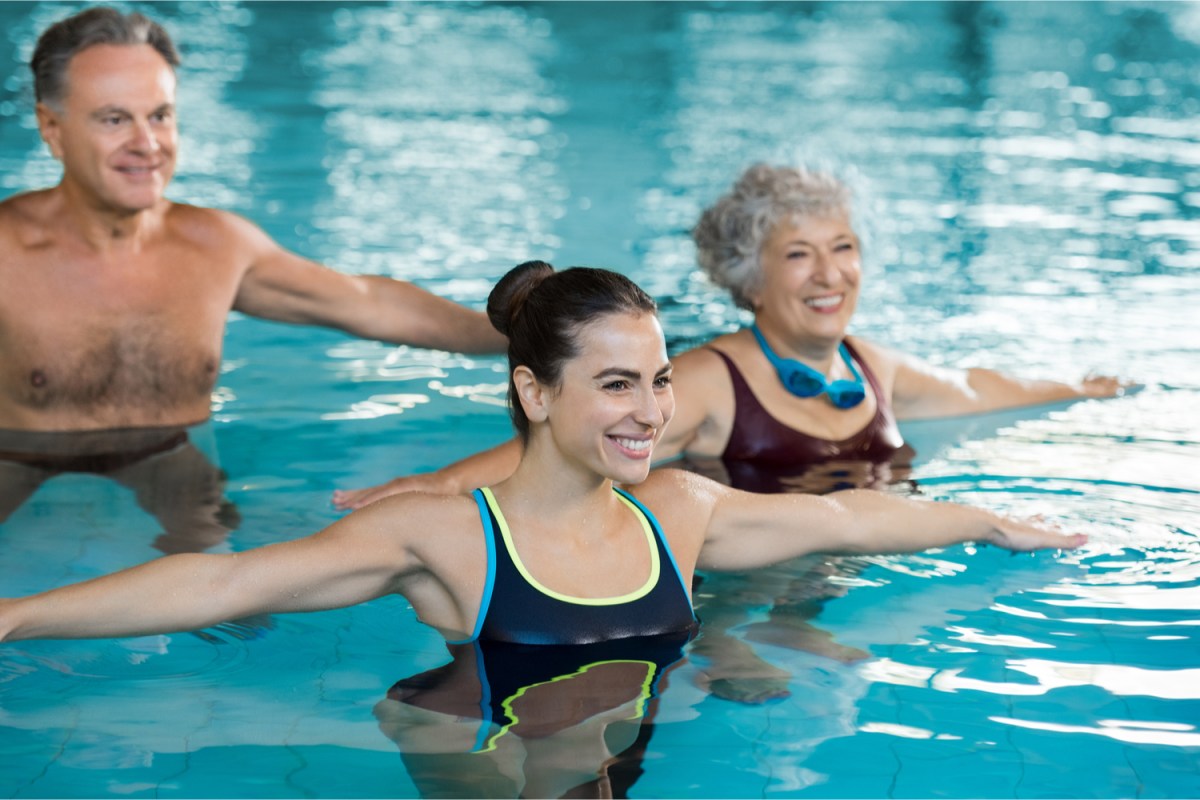
Dive into Fitness: How Water Workouts Can Shed Unwanted Pounds
Engaging in physical activity in water not only refreshes the body but also accelerates weight loss. Water workouts, often overlooked in favor of traditional gym routines, offer a unique environment that can significantly enhance your fitness journey. This article delves into the science behind aquatic exercise, its myriad benefits, and practical tips for incorporating water workouts into your routine to achieve your fitness goals.
The Science of Water Workouts
Water workouts utilize the natural properties of water to create a low-impact exercise environment. The buoyancy of water reduces the strain on joints, making it an ideal option for individuals of all fitness levels, including those recovering from injuries or managing chronic conditions. When you exercise in water, several physiological benefits come into play:
- Resistance Training: Water is approximately 12 times denser than air, which means any movement you make in water requires more effort. This resistance enhances muscle engagement, leading to increased strength and endurance.
- Caloric Burn: A study published in the Journal of Physical Activity and Health shows that water workouts can burn substantial calories. Depending on the intensity, participants can burn between 400 to 600 calories per hour.
- Temperature Regulation: The cooling properties of water help regulate body temperature, allowing for longer workout sessions without overheating, which can be a concern during land-based exercises.
Why Choose Water Workouts for Weight Loss?
When it comes to shedding unwanted pounds, water workouts are a fantastic option. Here’s why:
- Low Impact: The buoyancy of water minimizes impact on joints, making it suitable for all ages and fitness levels. This means you can work out longer and more frequently without the risk of injury.
- Full-Body Workout: Water workouts engage multiple muscle groups simultaneously. Whether you’re swimming, water jogging, or participating in aqua aerobics, you’re toning your arms, legs, and core all at once.
- Mental Benefits: Exercising in water can be refreshing and invigorating, leading to a more positive workout experience. The soothing nature of water can reduce stress and enhance mental well-being, which is crucial for maintaining a consistent fitness routine.
Types of Water Workouts
There are numerous forms of aquatic exercise to choose from, each catering to different interests and fitness levels:
- Aquatic Aerobics: Group classes that combine aerobic exercises with water resistance. These classes are often set to music and are designed to be fun and engaging.
- Swimming: A classic choice that provides a full-body workout while improving cardiovascular fitness and endurance. Swimming laps can be tailored to individual fitness levels.
- Water Jogging: Running in water is an excellent way to build strength and stamina without the harsh impact of land jogging. Using a flotation belt can enhance this workout.
- Water Yoga: Combining traditional yoga poses with the resistance of water can improve flexibility and core strength while promoting relaxation.
How to Get Started with Water Workouts
Embarking on your aquatic fitness journey is straightforward and can be tailored to fit your personal preferences and goals. Here’s how to dive in:
- Find a Suitable Location: Look for local pools that offer open swim times or fitness classes. Many gyms also have aquatic facilities.
- Invest in Gear: While swimsuits and towels are essential, consider purchasing water shoes for added grip and buoyancy aids, like kickboards or noodles, to enhance your workouts.
- Start Slowly: If you’re new to water workouts, begin with shorter sessions and gradually increase the duration and intensity as your fitness level improves.
- Mix It Up: To avoid monotony and keep your body challenged, incorporate different types of water workouts into your routine. This not only prevents boredom but also ensures a well-rounded fitness regimen.
Measuring Your Progress
Tracking your progress is vital for staying motivated. Here are a few ways to measure your success:
- Weight and Measurements: While weight is a common metric, also consider measuring body circumference in key areas like the waist, hips, and thighs for a more comprehensive view of your progress.
- Fitness Levels: Keep a log of the duration and intensity of your workouts. Notice improvements in the number of laps swum or the duration of water jogging sessions.
- How You Feel: Pay attention to your energy levels, mood, and overall well-being. Often, the most significant changes come in how you feel rather than just how you look.
Expert Tips for Maximizing Your Water Workouts
To truly benefit from water workouts, consider these expert tips:
- Stay Hydrated: Even though you’re in water, it’s essential to drink plenty of fluids before and after your workout. Hydration plays a crucial role in performance and recovery.
- Warm-Up and Cool Down: Just like any other workout, always start with a warm-up to prepare your muscles and finish with a cool-down to aid recovery.
- Join a Class: Participating in a structured class can provide motivation, guidance, and a sense of community. Plus, it’s a great way to learn new techniques and exercises.
Conclusion
Diving into fitness through water workouts can revolutionize your approach to weight loss and overall health. The unique properties of water create an ideal environment for burning calories, building strength, and reducing stress. By incorporating these workouts into your routine, you’re not only making a commitment to shed unwanted pounds but also improving your physical and mental well-being. So, grab your swimsuit and take the plunge—your fitness journey awaits!
See more WebMD Network


