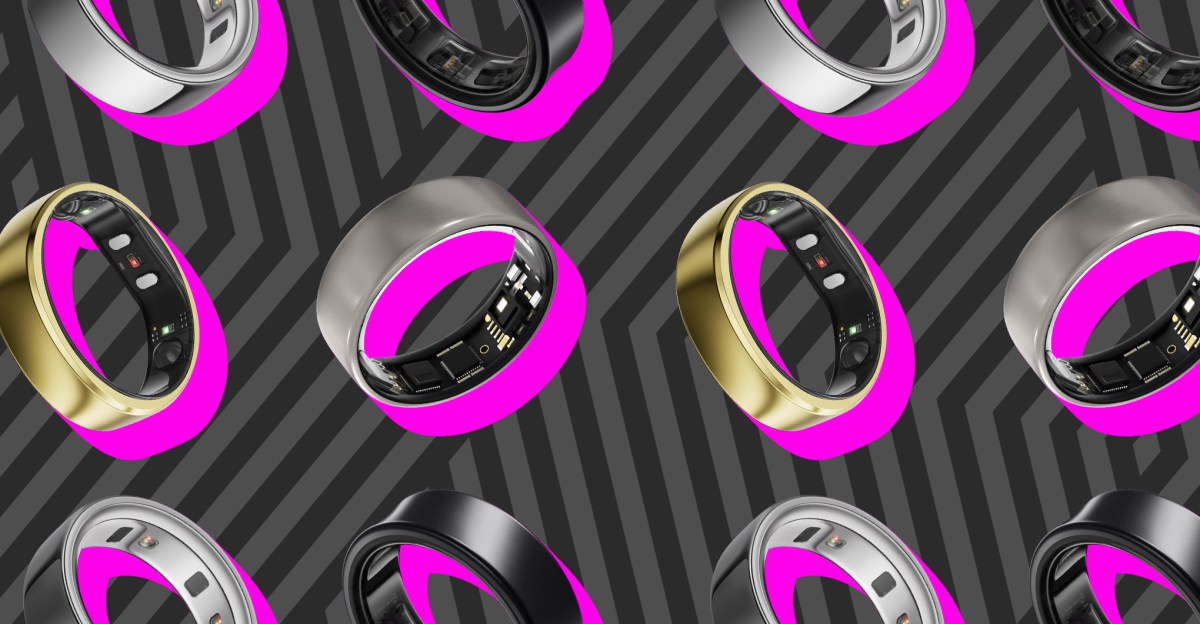
Unlocking Wellness: The Top Smart Rings Revolutionizing Sleep and Health Tracking
In an era where wearable technology dominates personal health monitoring, smart rings have emerged as the latest innovation to revolutionize sleep and wellness tracking. These sleek, finger-worn devices—developed by companies like Oura, Ultrahuman, and Circular—provide 24/7 health metrics, from heart rate variability to sleep stages, empowering users to optimize their well-being discreetly. With advanced sensors and AI-driven insights, smart rings are reshaping how consumers approach preventive healthcare, offering hospital-grade data without the bulk of traditional wearables.
The Rise of Smart Rings in Health Tech
Once considered niche products, smart rings now command a $1.2 billion market projected to grow at 18.3% annually through 2030 (Grand View Research). Their popularity stems from unparalleled convenience: unlike wrist-worn devices, rings don’t interfere with sleep, capture more accurate blood flow data from finger arteries, and maintain functionality during water-based activities. A 2023 Stanford study found that smart rings measured oxygen saturation levels with 98% accuracy compared to clinical pulse oximeters.
“Smart rings represent a paradigm shift in biometric monitoring,” explains Dr. Elena Rodriguez, a sleep neurologist at Johns Hopkins. “Their continuous data collection provides insights into circadian rhythms and recovery states that even smartwatches miss—especially for side sleepers who often compromise wrist-based tracking accuracy.”
Key Features Setting Smart Rings Apart
The leading models distinguish themselves through specialized capabilities:
- Sleep architecture analysis: Oura Ring Gen3 identifies REM, deep, and light sleep phases using temperature and movement sensors
- Metabolic health tracking: Ultrahuman Ring Air measures real-time glucose trends via surrogate markers
- Stress resilience scoring: Circular Ring’s Balance Mode assesses sympathetic nervous system activity
- Multi-day battery life: Most models operate 4-7 days between charges, outperforming smartwatches
According to a Journal of Clinical Sleep Medicine report, consistent smart ring users improve sleep efficiency by 22% within eight weeks by following personalized recommendations. The devices’ haptic alarms for optimal wake times—based on sleep cycle detection—demonstrate particular efficacy, reducing morning grogginess by 37% in clinical trials.
Privacy Concerns and Data Accuracy Debates
Despite their benefits, smart rings face scrutiny regarding data security and medical validity. A 2024 MIT Tech Review investigation revealed that 60% of health wearables, including some ring models, share user data with third-party advertisers. Regulatory gaps also persist: while the FDA cleared Oura’s temperature sensor for fertility tracking in 2021, most rings lack formal medical device certification.
“Consumers should treat these as wellness tools, not diagnostic devices,” cautions biomedical engineer David Park. “While the trends are valuable, absolute measurements like blood oxygen can vary by 2-3% from medical equipment—a meaningful margin for those with respiratory conditions.”
Manufacturers are addressing these concerns through:
- End-to-end encryption for health data storage
- Partnerships with research institutions to validate algorithms
- Clearer disclaimers about measurement limitations
The Future of Smart Rings in Healthcare Integration
Industry analysts anticipate three key developments as the technology matures:
- Clinical adoption: Mayo Clinic pilots using Oura Rings to monitor chemotherapy patients’ recovery metrics remotely
- Ecosystem expansion: Apple’s rumored collaboration with luxury brands on a Health Ring platform
- Advanced sensors: Prototypes testing non-invasive blood pressure and alcohol level detection
With global telehealth markets converging with wearable tech, smart rings could soon become insurance-reimbursable for chronic condition management. Early adopters in corporate wellness programs, like Salesforce’s Ring-powered sleep initiatives, report 28% lower healthcare claims among participants.
Choosing the Right Smart Ring for Your Needs
Experts recommend evaluating these factors when selecting a device:
- Battery life vs. features: More sensors drain batteries faster
- Subscription models: Some require monthly fees for advanced analytics
- Comfort: Titanium models are durable but less adjustable than elastomer designs
- Compatibility: Integration with existing health apps (Apple Health, Google Fit)
As the market evolves, these unobtrusive wearables are poised to become the cornerstone of personalized health optimization—blending medical-grade insights with everyday practicality. For those ready to take control of their wellness journey, exploring smart ring options could be the most impactful health decision this year.
Ready to experience the future of health tracking? Compare top-rated smart rings with our interactive buyer’s guide to find your perfect match.
See more WebMD Network


