UnitedHealth’s Controversial Loan Repayment Policy Draws Fire From Medical Community
UnitedHealth Group faces mounting criticism after demanding repayment of emergency loans from physicians still reeling from February’s Change Healthcare cyberattack. The insurance giant provided temporary funding to struggling practices after the ransomware incident paralyzed billing systems, but now requires full repayment with interest—a move physicians call “cruel” amid ongoing financial instability. Medical associations warn this policy could force clinic closures and reduce patient access to care.
Cyberattack Fallout Creates Perfect Storm for Providers
The February 21 Change Healthcare breach—called “the most serious attack on healthcare systems in American history” by the American Hospital Association—disrupted:
- Claims processing for 15 billion annual transactions
- Pharmacy operations at 70,000+ retail locations
- Payment systems affecting 900,000+ physicians
UnitedHealth distributed an undisclosed sum in temporary loans through its Optum division, which many providers accepted to maintain payroll and essential services. However, repayment terms requiring 8.5% interest over five years—with collections beginning this summer—have sparked outrage.
Physicians Describe “Financial Chokehold” From Repayment Demands
Dr. Alicia Monroe, a Florida pediatrician, reports her practice took a $48,000 loan to cover two months of disrupted Medicaid payments. “We’re being asked to repay money that essentially just replaced stolen income,” she says. “This isn’t a handout—it’s compensation for losses caused by their vulnerable systems.”
Data from the Medical Group Management Association reveals:
- 67% of practices experienced revenue declines exceeding 50% post-attack
- 29% dipped into personal savings to keep practices afloat
- 14% took additional high-interest loans
“This policy demonstrates profound disregard for physician sustainability,” contends AMA President Dr. Jesse Ehrenfeld. “When insurers demand repayment while simultaneously delaying claims processing, it creates an impossible financial chokehold.”
UnitedHealth Defends Policy as Standard Business Practice
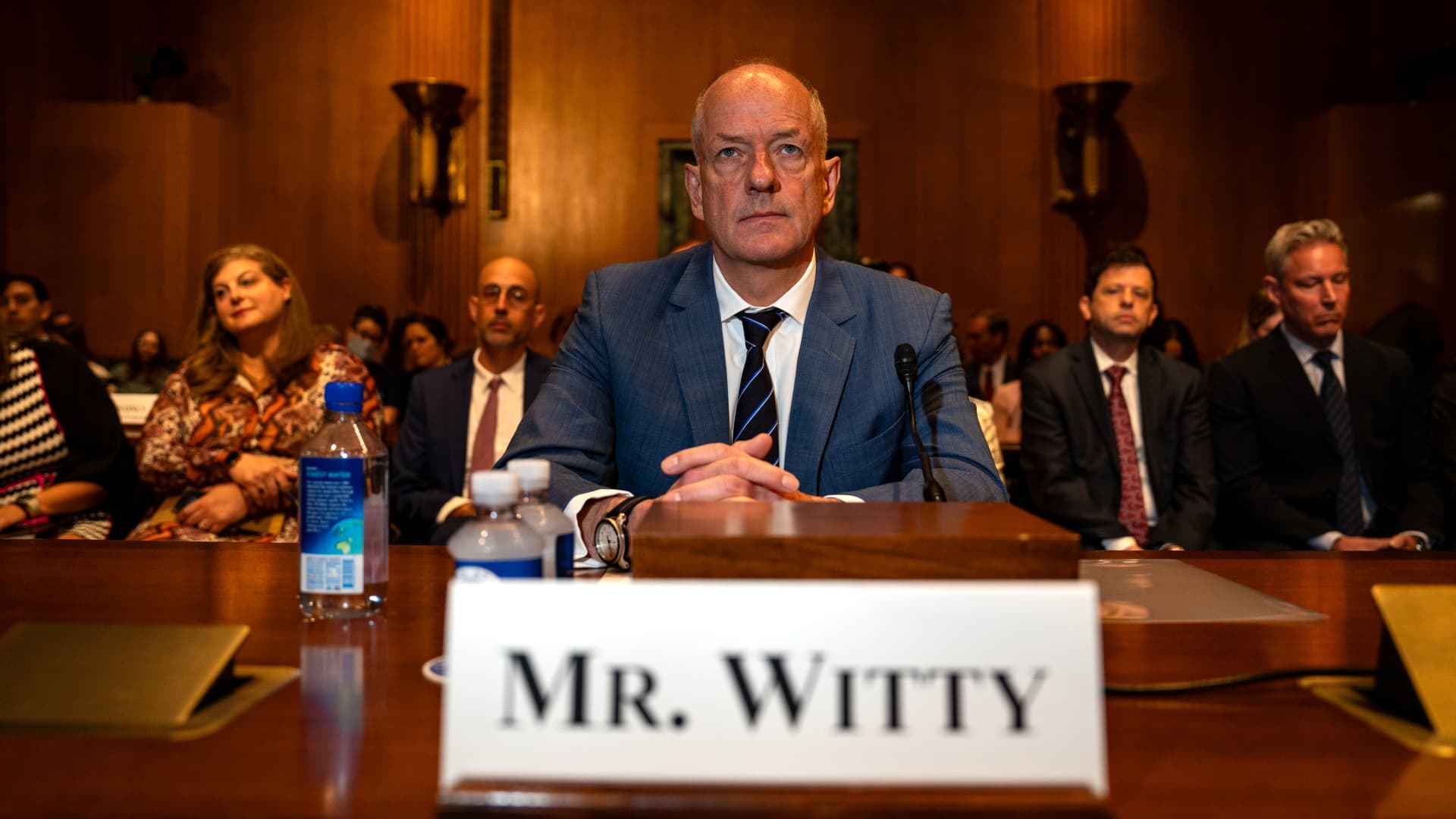
In statements to investors, UnitedHealth CEO Andrew Witty characterized the loans as “a voluntary stopgap measure” distinct from cyberattack restitution. Company filings show:
- $3.3 billion allocated for attack-related costs
- No disclosed amount for physician loan programs
- Q2 2024 profits of $5.2 billion (11% YoY increase)
“These were interest-bearing commercial loans with clear terms,” said UnitedHealth spokesperson Tyler Mason. “We provided critical liquidity when providers needed it most.”
Legal Experts Weigh In on Contractual Obligations
Healthcare attorney Miranda Foster notes that while the loans may be legally sound, they present ethical concerns. “There’s a power imbalance when desperate providers sign complex agreements during crises,” she explains. “Many didn’t realize they’d owe interest while still waiting on delayed reimbursements.”
Class action attorneys report growing interest from physicians exploring:
- Breach of fiduciary duty claims
- Predatory lending allegations
- Antitrust violations related to UnitedHealth’s vertical integration
Broader Implications for Healthcare System Stability
The controversy highlights systemic vulnerabilities in healthcare financing. A recent Health Affairs study found:
- 58% of medical practices operate with
- Cyberattacks against healthcare rose 278% from 2018-2023
- Only 12% of providers carry cyber insurance covering business interruption
“This isn’t just about UnitedHealth—it’s about whether we’ll allow financialization to destroy community medicine,” argues Dr. Farzad Mostashari, former National Coordinator for Health IT.
Potential Pathways Forward
Stakeholders propose several solutions:
- Federal legislation mandating interest-free disaster loans
- Mandatory cybersecurity standards for claims processors
- Revised Medicare advance payment terms
The Senate Finance Committee has scheduled hearings next month examining insurer responsibilities after cyber incidents. Meanwhile, medical associations urge affected providers to document all financial losses for potential restitution claims.
As the debate continues, thousands of physicians face impossible choices between repaying loans or cutting services. For those seeking assistance, the AMA has established a cyberattack resource center with financial counseling and legal guidance.
See more WebMD Network


