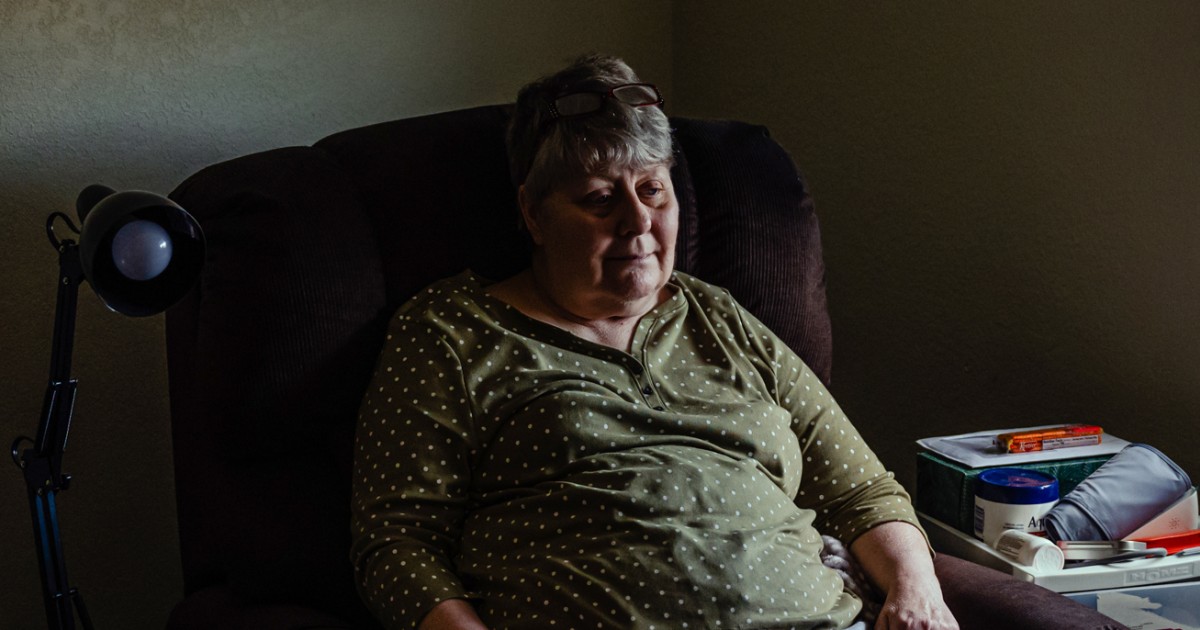
Uncertain Future: Will Telehealth Coverage for Seniors Disappear Next Month?
As telehealth services become an integral part of healthcare for seniors, a looming deadline raises concerns about potential coverage expiration. The COVID-19 pandemic accelerated the adoption of telehealth, enabling seniors to access medical care from the safety of their homes. However, as temporary measures put in place during the crisis start to fade, questions about the sustainability of these services arise. Will telehealth coverage for seniors disappear next month? Experts weigh in on the implications for vulnerable populations and the future of remote healthcare.
The Rise of Telehealth Services for Seniors
Telehealth has transformed the healthcare landscape, particularly for seniors who often face mobility challenges or live in remote areas. The ability to connect with healthcare professionals via video calls, phone consultations, and remote monitoring has made healthcare more accessible than ever. Some significant benefits of telehealth for seniors include:
- Accessibility: Seniors can receive medical attention without the need for transportation, which can be a barrier for many.
- Convenience: Appointments can be scheduled more flexibly, accommodating the often unpredictable schedules of older adults.
- Continuity of Care: Regular follow-ups can be conducted easily, ensuring that chronic conditions are managed effectively.
Before the pandemic, telehealth was a growing field, but its adoption was slow. However, the urgent need for social distancing led to a significant surge in telehealth services. According to a report from the Centers for Medicare & Medicaid Services (CMS), telehealth visits increased by over 11,000% during the early months of the pandemic.
The Looming Deadline: What’s at Stake?
As the public health emergency status begins to wane, many of the provisions that expanded telehealth access could potentially expire. The expiration of these provisions could impact the following critical areas:
- Insurance Coverage: Medicare and Medicaid temporarily expanded coverage for telehealth services, but these changes are not guaranteed to last.
- Provider Reimbursement: Many healthcare providers may face reduced incentives to offer telehealth services if reimbursement rates revert to pre-pandemic levels.
- Access to Care: Vulnerable populations, particularly seniors, may lose access to essential healthcare services without adequate insurance coverage.
Experts are closely monitoring the situation, as the expiration of telehealth provisions could significantly affect how seniors receive care. The concern is that many older adults, who have grown accustomed to the convenience of telehealth, may find themselves without support.
The Future of Telehealth Coverage for Seniors
Despite the uncertainty surrounding telehealth coverage, there remains a hopeful outlook. Many stakeholders, including healthcare providers, advocacy groups, and policymakers, are working to ensure that telehealth remains a viable option for seniors. Here are some potential paths forward:
- Legislative Action: Advocacy efforts are underway to make the expanded telehealth provisions permanent. Legislators are being urged to recognize the value of telehealth in providing care to seniors, especially in underserved areas.
- Insurance Companies: Some private insurers have already indicated a willingness to continue covering telehealth services beyond the pandemic, which could lead to a more sustainable model for seniors.
- Technology Integration: As technology continues to evolve, telehealth platforms are likely to improve, making it easier for seniors to access care.
Implications for Vulnerable Populations
The potential disappearance of telehealth coverage poses significant risks for vulnerable populations, particularly seniors living with chronic conditions. Studies show that seniors are more likely to face barriers to traditional healthcare, making telehealth a critical lifeline. Some of the implications include:
- Increased Health Disparities: Without telehealth coverage, low-income seniors or those in rural areas may experience greater health disparities, as they may lack access to transportation to healthcare facilities.
- Worsening Chronic Conditions: Regular check-ins via telehealth help manage chronic conditions like diabetes and hypertension. A reduction in these services could lead to a deterioration of health for many seniors.
- Isolation and Mental Health: Telehealth has not only facilitated physical health consultations but also mental health services. The reduction of such services could exacerbate feelings of isolation and depression among seniors.
What Seniors Can Do Now
While the future of telehealth coverage remains uncertain, there are steps that seniors can take to advocate for themselves and ensure they continue to receive necessary care:
- Stay Informed: Seniors should keep abreast of any developments regarding telehealth policies and coverage from their insurance providers.
- Engage with Providers: Open a dialogue with healthcare providers about the importance of telehealth services and express any concerns regarding potential coverage changes.
- Advocate for Change: Seniors can participate in advocacy efforts aimed at ensuring the permanence of telehealth coverage. Writing to legislators, joining advocacy groups, and sharing personal stories can make a significant impact.
Conclusion: A Path Forward
The landscape of healthcare is changing, and telehealth has proven to be a valuable resource for seniors. While the question remains—will telehealth coverage for seniors disappear next month?—the collective action of policymakers, healthcare providers, and the community can pave the way for a sustainable future in remote healthcare. With proper advocacy and legislative support, the benefits of telehealth can continue to improve the lives of seniors, ensuring that they receive the care they need, regardless of their circumstances.
As we navigate this uncertain future, it is essential to uphold the principles of accessibility and equity in healthcare. Let us hope for a resolution that prioritizes the health and well-being of our senior population, ensuring that telehealth remains a permanent fixture in their healthcare journey.
See more WebMD Network


