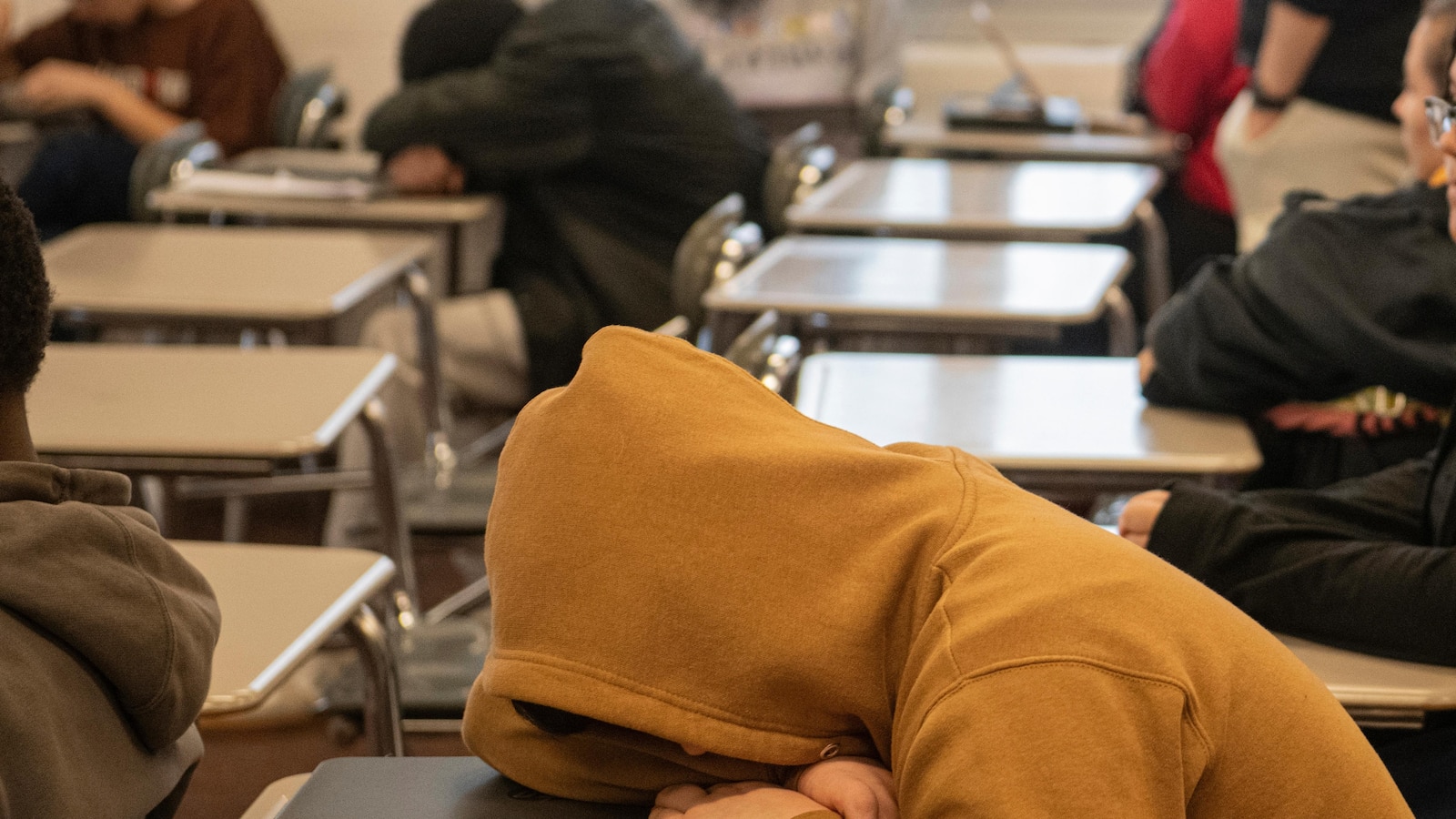
Unlocking Rest: Expert Strategies to Combat Teen Sleep Deprivation
Teenagers across the U.S. are grappling with a silent epidemic: chronic sleep deprivation. With academic pressures, social media, and shifting biological clocks conspiring against them, nearly 73% of high school students fail to get the recommended 8-10 hours of sleep, according to the CDC. This article examines science-backed strategies to help teens reclaim restorative sleep and improve their mental health, academic performance, and overall well-being.
The Alarming Scope of Teen Sleep Deprivation
A 2023 study published in the Journal of Adolescent Health reveals that sleep-deprived teens are 55% more likely to experience depression and 40% more likely to struggle academically. Dr. Rebecca Robbins, a sleep researcher at Harvard Medical School, notes, “Teen brains are undergoing critical development—sleep isn’t a luxury, but a biological necessity for memory consolidation and emotional regulation.”
Key contributing factors include:
- Delayed circadian rhythms: Melatonin release shifts 2-3 hours later during puberty
- Academic overload: 58% of teens cite homework as their primary sleep disruptor (National Sleep Foundation)
- Blue light exposure: Screens suppress melatonin production by up to 30% (American Academy of Pediatrics)
Science-Backed Bedtime Strategies for Teens
Neuroscientists and sleep specialists recommend multi-pronged approaches to reset teen sleep cycles:
1. Gradual Schedule Adjustments
Instead of drastic changes, experts suggest shifting bedtimes 15 minutes earlier every 3-4 days. “This mimics natural circadian adaptation,” explains Dr. Mark Wu of Johns Hopkins Neurology. Pair this with morning sunlight exposure to reinforce the wake signal.
2. The 60-Minute Digital Sunset
A 2022 MIT study found that teens implementing screen curfews 60 minutes before bed fell asleep 28% faster. Alternatives include:
- Reading physical books under warm lighting
- Practicing mindfulness exercises
- Listening to sleep podcasts or ambient music
School Start Times: A Systemic Solution?
While individual habits matter, structural changes show promise. California’s 2022 law mandating later high school start times resulted in:
- 34% reduction in tardiness
- 12% improvement in test scores
- 20% fewer reported depressive symptoms
However, some districts resist due to transportation logistics. “We need creative scheduling solutions,” argues education policy expert Dr. Leticia Garcia. “The status quo is failing our kids’ health.”
Nutrition and Exercise: The Overlooked Sleep Boosters
Emerging research highlights dietary connections to sleep quality:
- Magnesium-rich foods (almonds, spinach) may improve sleep efficiency by 17%
- Caffeine cutoff: 94% of teens consume caffeine, with 60% doing so after 4PM (Journal of Nutrition)
- Evening exercise: Yoga or light stretching outperforms intense workouts for sleep onset
The Future of Teen Sleep Health
With wearable tech becoming more sophisticated, researchers are developing personalized sleep interventions. Apps that analyze individual sleep patterns and suggest customized wind-down routines show particular promise in pilot studies.
Parents and educators play pivotal roles in modeling healthy habits. As psychologist Dr. Elena Rodriguez observes, “When schools prioritize sleep education and families create tech-free zones, teens internalize that rest matters as much as achievement.”
For immediate action, the Sleep Foundation recommends starting with one consistent change—whether establishing a fixed wake-up time or creating a charging station outside bedrooms. Small steps compound into transformative results when addressing teen sleep deprivation.
See more WebMD Network


