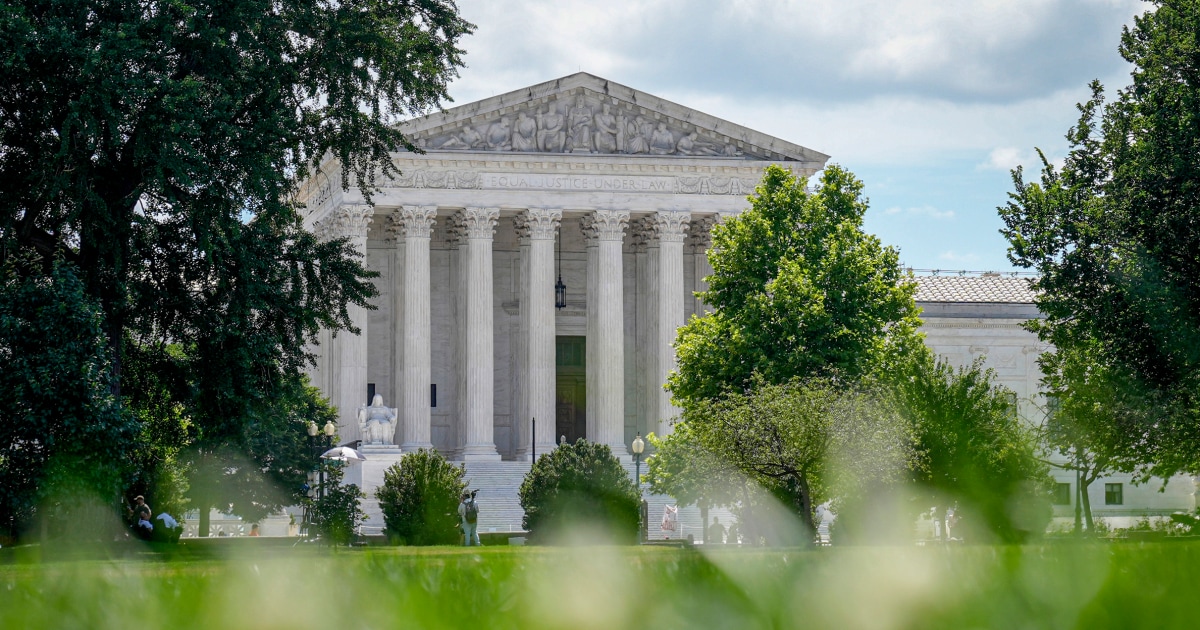
Supreme Court’s Crucial Decision: Will Obamacare’s Preventive Care Stand?
The U.S. Supreme Court will soon hear arguments in a high-stakes case challenging the Affordable Care Act’s (ACA) preventive care mandate, a ruling that could jeopardize no-cost coverage for screenings, vaccines, and other essential services for over 150 million Americans. The case, Braidwood Management Inc. v. Becerra, questions whether federally appointed panels can enforce coverage requirements—a decision expected by mid-2024 that may redefine healthcare access nationwide.
The Legal Battle Over Preventive Care
At the heart of the dispute is whether the U.S. Preventive Services Task Force (USPSTF), an independent panel of experts, has constitutional authority to mandate insurance coverage for preventive services like cancer screenings, statins, and PrEP (HIV-prevention drugs). Opponents argue the panel’s unelected members violate the Constitution’s Appointments Clause, while defenders emphasize its role in evidence-based healthcare.
“This case isn’t just about legal technicalities—it’s about whether millions of Americans will face financial barriers to lifesaving care,” said Dr. Alicia Carter, a health policy analyst at the Brookings Institution. “Preventive services reduce long-term costs and save lives. Rolling them back would be a public health disaster.”
Key statistics underscore the stakes:
- Over 100 million people received no-cost preventive services under the ACA in 2020 alone (KFF).
- PrEP usage surged by 73% after ACA mandates eliminated out-of-pocket costs (CDC).
- Mammograms and colonoscopies account for 45% of early-stage cancer detections linked to ACA provisions (American Cancer Society).
Arguments For and Against the Mandate
Plaintiffs, including conservative employers and religious groups, contend the mandate forces them to cover services conflicting with their beliefs, such as contraception and PrEP. “The government can’t delegate sweeping authority to an unaccountable body,” argued Jonathan Adler, a constitutional law professor at Case Western Reserve University. “This violates separation of powers.”
Conversely, health advocates warn striking down the provision would disproportionately harm low-income families. A 2022 Urban Institute study found that reinstating cost-sharing for preventive care could lead to:
- A 35% drop in routine screenings among uninsured adults.
- An estimated 10,000+ preventable deaths annually from delayed cancer diagnoses.
Potential Ripple Effects on Healthcare
If the Court invalidates the USPSTF’s authority, insurers and states could face a patchwork of coverage rules. “We’d likely see a two-tiered system where red states roll back mandates and blue states attempt to preserve them,” noted health economist Darren Grant. “The result? Wider disparities in care.”
Hospitals and clinics are already bracing for fallout. Dr. Lisa Monroe, a Texas primary care physician, shared: “My patients barely afford copays. If mammograms or diabetes screenings aren’t fully covered, they’ll skip them—and we’ll see more advanced illnesses in ERs.”
What’s Next for the ACA and Public Health
The Court’s decision could leave Congress scrambling to codify preventive care protections legislatively—a steep challenge in a divided government. Meanwhile, legal experts suggest the ruling might inspire challenges to other ACA provisions, including Medicaid expansion.
For now, stakeholders urge vigilance. “This isn’t the first threat to the ACA, and it won’t be the last,” said Carter. “Voters need to understand what’s at risk and demand clarity from policymakers.”
Call to Action: Stay informed about this developing story by subscribing to trusted health policy newsletters or contacting your representatives to voice concerns about healthcare access.
See more WebMD Network


