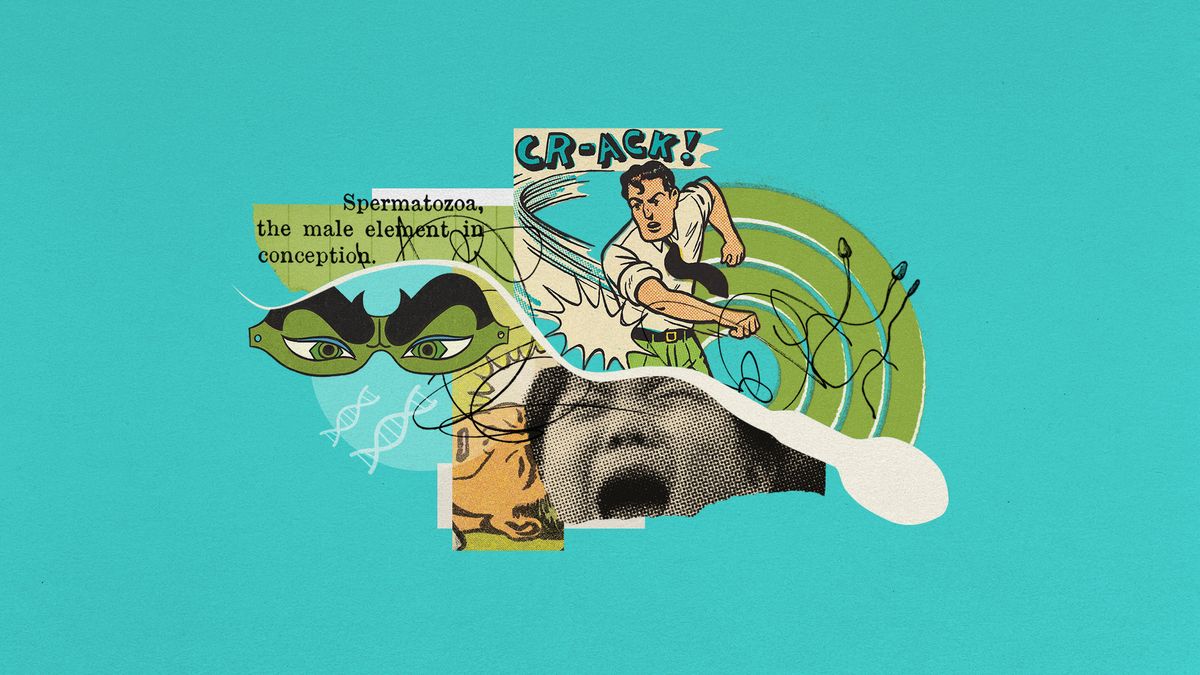
Unraveling the Legacy: How Sperm Cells Encode Generational Trauma
In a world where the intersection of genetics and psychology is becoming increasingly clearer, groundbreaking research has emerged suggesting that sperm cells may carry epigenetic markers of trauma experienced by previous generations. This fascinating discovery challenges long-held beliefs about heredity, resilience, and the very fabric of human experience. As science strides forward, we find ourselves at the precipice of understanding how ancestral traumas can shape our lives today. In this article, we will explore the mechanisms behind this phenomenon, the implications for modern health, and the potential pathways for healing.
The Science of Sperm and Trauma
Sperm cells, traditionally viewed solely as carriers of genetic material, are now recognized as complex entities that can encode information beyond mere DNA sequences. Recent studies indicate that epigenetic changes—modifications that affect gene expression without altering the underlying DNA—can occur in response to environmental factors, including trauma. These changes can manifest in the sperm and potentially be passed down to subsequent generations.
Epigenetic markers, such as DNA methylation and histone modification, serve as biological memory systems. They can record experiences like stress, malnutrition, or trauma, influencing how genes are expressed in future generations. The implications are profound, suggesting that the struggles faced by our ancestors could echo through our biology, altering our susceptibility to conditions like anxiety, depression, and even chronic diseases.
A Closer Look at Generational Trauma
Generational trauma refers to the psychological effects of trauma experienced by one generation that affect subsequent generations. Historical events, such as wars, genocides, and systemic oppression, often leave indelible marks on the collective psyche of communities. The concept extends beyond individual experiences to encompass the shared suffering of entire populations.
Studies have highlighted how descendants of Holocaust survivors, for instance, may exhibit heightened anxiety and stress-related disorders, suggesting that the trauma experienced by their ancestors has been encoded in their biology. Similarly, research involving Native American communities reveals patterns of health disparities that correlate with historical trauma, further emphasizing the need to understand these complex intergenerational dynamics.
How Sperm Cells Carry the Weight of History
The process by which sperm cells may encode generational trauma starts with environmental influences that affect an individual’s physiology. When a person experiences trauma, their body reacts with a host of stress responses that can trigger epigenetic changes. These changes can alter the sperm’s molecular landscape, which, when combined with fertilization, may be passed to the offspring.
- Disease Susceptibility: Offspring may inherit a predisposition to certain diseases linked to the trauma experienced by their forebears.
- Behavioral Patterns: Psychological effects, such as anxiety, depression, and stress response mechanisms, may also be influenced.
- Resilience Factors: Interestingly, some studies suggest that resilience to trauma may also be encoded, offering a duality in the inheritance of trauma.
The Role of Environment and Lifestyle
It’s essential to note that while sperm cells can carry the imprint of generational trauma, environmental factors and lifestyle choices also play a critical role in shaping health outcomes. Nutrition, stress management, and social support systems can significantly influence both physical and mental health.
For instance, a healthy lifestyle can mitigate some of the negative effects of inherited trauma, allowing individuals to break the cycle and foster resilience. Engaging in practices such as mindfulness, therapy, and community support can help individuals process their experiences and build healthier generational patterns.
Implications for Modern Health
The revelation that sperm cells can encode generational trauma has far-reaching implications for modern health and psychology. Here are some key considerations:
- Personalized Medicine: Understanding the epigenetic markers associated with trauma may lead to more tailored healthcare approaches, focusing on both physical and mental health needs.
- Psychological Interventions: Therapy and counseling can be designed not only to address individual experiences but also to consider the broader context of ancestral trauma.
- Public Health Policies: Recognition of generational trauma can influence public health initiatives, particularly in communities with a history of systemic oppression and trauma.
Exploring Pathways for Healing
As we unravel the complexities of how sperm cells encode generational trauma, it becomes increasingly vital to explore pathways for healing. Here are several strategies that can aid in this journey:
- Therapeutic Practices: Engaging in psychotherapy, particularly modalities that address trauma, such as EMDR (Eye Movement Desensitization and Reprocessing), can facilitate healing.
- Mindfulness and Meditation: These practices have been shown to improve mental health and resilience, potentially counteracting some effects of inherited trauma.
- Community Support: Building strong social networks can provide emotional support and foster resilience, helping individuals navigate their experiences.
- Education and Awareness: Understanding the impact of generational trauma can empower individuals and communities, fostering a culture of healing and resilience.
Conclusion: A New Frontier in Understanding Human Experience
Unraveling the legacy of how sperm cells encode generational trauma not only enhances our understanding of heredity but also opens new avenues for addressing health disparities and psychological challenges. As research continues to evolve, it holds the promise of providing insights into how we can break the cycles of trauma and promote resilience across generations. Embracing this knowledge can lead to a more profound understanding of our shared human experience, fostering hope and healing in a world that so often grapples with the weight of its past.
In this new frontier of understanding, the stories of our ancestors can illuminate pathways toward personal and collective healing, transforming trauma into resilience and fostering a healthier future for generations to come.
See more WebMD Network


