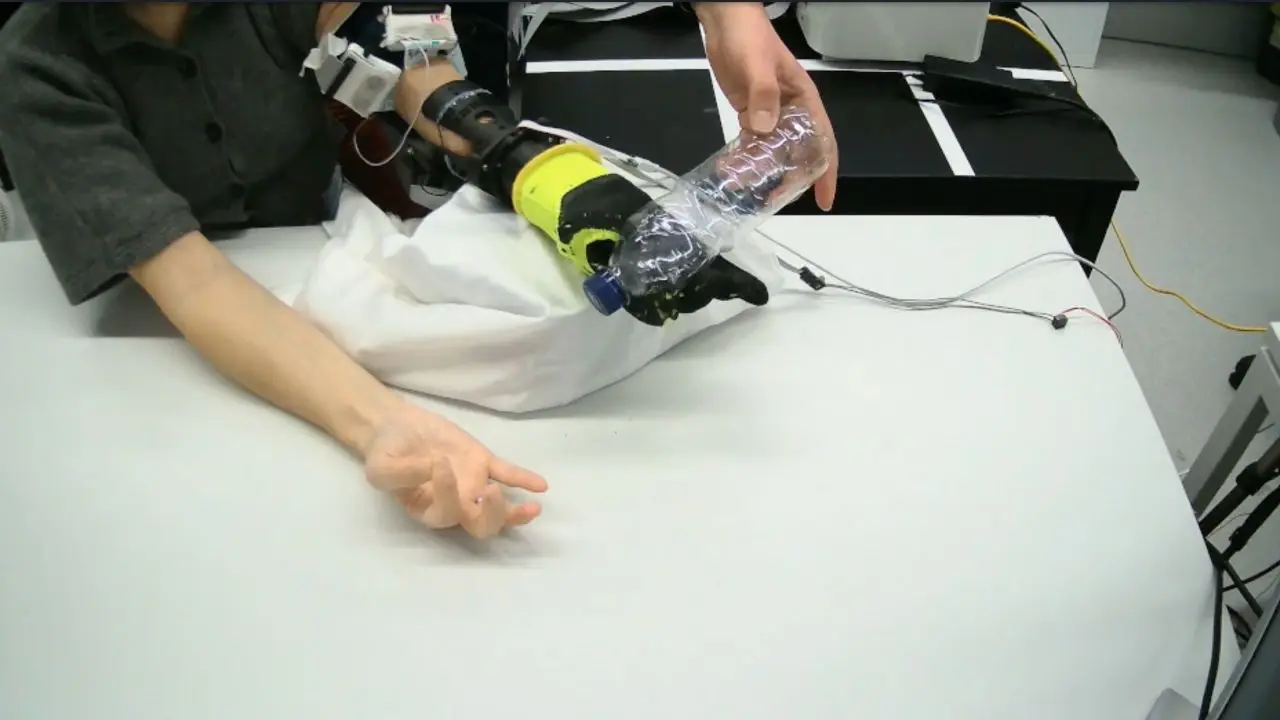
Revolutionizing Mobility: The Future of Soft Robotic Prosthetics
The landscape of prosthetic technology is undergoing a remarkable transformation, heralded by the advent of soft robotic prosthetics. These innovative devices, particularly soft robotic prosthetic hands, are designed to mimic the natural movement and dexterity of human limbs. By harnessing nerve signals, this groundbreaking technology offers users unprecedented control and enhances their overall experience. As we delve into the future of soft robotic prosthetics, we will explore their development, implications for amputees, and the broader impact on mobility and rehabilitation.
Understanding Soft Robotic Prosthetics
Soft robotic prosthetics represent a significant shift from traditional rigid prosthetic devices. Unlike conventional prosthetics that often rely on mechanical joints and hard materials, soft robotics utilizes flexible materials and advanced control systems. This design allows for a more natural range of motion, making it easier for users to perform everyday tasks.
One of the most impressive features of soft robotic prosthetics is their ability to interface directly with the body’s nervous system. By interpreting nerve signals, these devices can execute movements as if they were an integral part of the user’s body. This integration not only enhances functionality but also provides a more intuitive experience for the user.
The Technology Behind Soft Robotic Prosthetics
The development of soft robotic prosthetics hinges on several key technologies:
- Electromyography (EMG): EMG sensors detect electrical signals generated by muscles when a user intends to move. These signals are then translated into commands for the prosthetic device.
- Soft Materials: The use of soft, flexible materials allows for a more comfortable and adaptable fit. Materials such as silicone and polymers can mimic the skin’s texture and elasticity.
- Artificial Intelligence (AI): Machine learning algorithms help the prosthetic learn and adapt to the user’s unique movement patterns, improving responsiveness and functionality over time.
The User Experience: A New Level of Control
The most significant advantage of soft robotic prosthetics is the enhanced control they provide. Users can perform complex tasks, such as grasping delicate objects or typing on a keyboard, with newfound ease. The ability to intuitively control the prosthetic using nerve signals means that users can focus more on their tasks rather than on the mechanics of their device.
For many amputees, the emotional and psychological benefits of such technology are profound. The return of functionality can lead to increased independence, improved self-esteem, and a better quality of life. Users report feeling more in control of their daily activities, which can significantly impact their overall mental and emotional well-being.
Case Studies: Transforming Lives with Soft Robotic Prosthetics
Several case studies illustrate the transformative potential of soft robotic prosthetics:
- Case Study 1: A young artist who lost her hand in an accident found it challenging to continue her passion. After receiving a soft robotic prosthetic hand, she regained the ability to paint and create art, leading to a resurgence in her creativity and confidence.
- Case Study 2: A veteran who lost his arm in combat faced difficulties in everyday tasks. With a soft robotic prosthetic, he was able to resume activities like cooking and gardening, significantly enhancing his quality of life.
The Future of Soft Robotic Prosthetics
The future of soft robotic prosthetics is bright, with ongoing research and development promising even more advanced capabilities. Several trends are emerging in this field:
- Customization: Future prosthetics are expected to offer more personalized options, allowing users to tailor the design and functionality to meet their specific needs.
- Integration with Smart Technology: As smart home devices become more common, integrating prosthetics with these technologies could create a seamless user experience, where the prosthetic interacts with the home environment.
- Affordability and Accessibility: Efforts are being made to reduce the costs associated with advanced prosthetic devices, making them available to a broader population.
Challenges and Considerations
While the advancements in soft robotic prosthetics are encouraging, several challenges persist:
- Technical Limitations: Despite significant progress, there are still limitations in the responsiveness and durability of soft robotic devices compared to traditional prosthetics.
- Training and Adaptation: Users may require training to effectively control their prosthetics, which can be a barrier for some individuals.
- Ethical Implications: As with any advanced technology, ethical considerations arise, particularly regarding accessibility and the potential for disparity in who can benefit from these innovations.
The Role of Community and Support
As the field of soft robotic prosthetics evolves, the role of community support and advocacy becomes increasingly vital. Organizations dedicated to supporting amputees and those with limited hand function can provide invaluable resources, including:
- Peer Support Networks: Connecting individuals with similar experiences can foster a sense of community and shared understanding.
- Educational Resources: Providing information about new technologies and rehabilitation techniques can empower users to make informed decisions about their care.
- Advocacy for Research Funding: Supporting initiatives aimed at increasing research and development in prosthetic technology can lead to more rapid advancements and improved outcomes for users.
Conclusion: A New Era in Mobility
The future of soft robotic prosthetics is not merely about replacing lost limbs; it is about revolutionizing mobility and restoring independence to countless individuals. As technology continues to advance, the potential to redefine the user experience grows, bringing hope and empowerment to those impacted by limb loss or limited hand function.
Through a combination of innovative engineering, adaptive technologies, and community support, soft robotic prosthetics stand at the forefront of a new era in healthcare. With each breakthrough, we move closer to a future where mobility is not a limitation but a freedom, allowing individuals to reclaim their lives and pursue their passions.
See more WebMD Network


