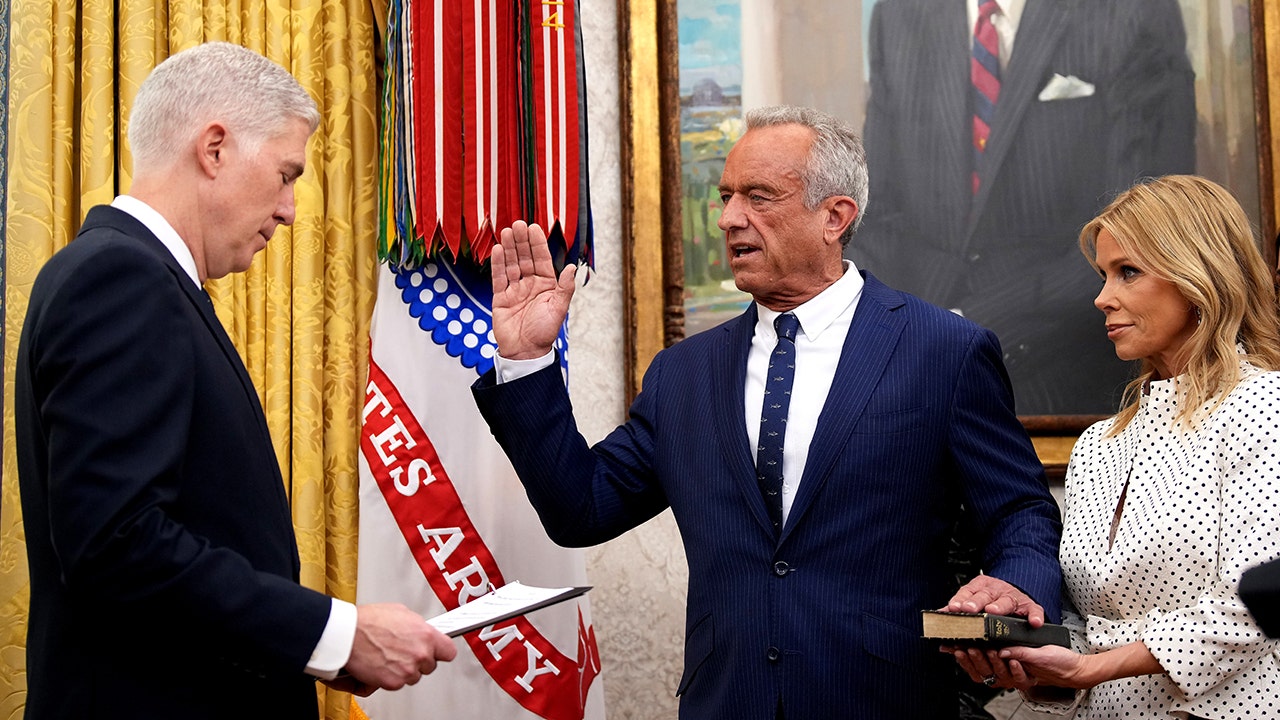
HHS Secretary Robert F. Kennedy Jr. Engages Food Industry Leaders: What’s at Stake?
In a landmark meeting that has drawn attention from across the nation, HHS Secretary Robert F. Kennedy Jr. gathered influential leaders from the food industry to tackle pressing challenges impacting public health and food policy in the United States. This high-profile discussion, characterized by its urgency and significance, seeks to reshape the future of food policy and public health in America.
The Context of the Meeting
With the food industry undergoing rapid changes influenced by globalization, technological advancements, and shifting consumer preferences, the meeting led by Kennedy is timely. The Secretary, known for his strong advocacy for public health and environmental sustainability, is uniquely positioned to mediate discussions that could lead to transformative changes in how food is produced, marketed, and consumed in America.
As the nation grapples with rising rates of obesity, diabetes, and other diet-related diseases, the implications of this meeting are profound. The food industry is at a crossroads, and the decisions made during this dialogue could set the tone for health policies for years to come.
Key Issues on the Agenda
During the meeting, several critical issues were highlighted:
- Nutrition Standards: Discussions revolved around updating nutrition guidelines to reflect current scientific evidence and address the evolving landscape of dietary needs.
- Sustainable Practices: The need for sustainable farming and food production methods was emphasized, aiming to reduce environmental impacts while ensuring food security.
- Food Safety: Ensuring the safety of food products remains a top priority, especially in light of recent recalls and foodborne illness outbreaks.
- Access to Healthy Foods: The meeting sought to address disparities in access to nutritious foods, particularly in underserved communities.
These issues not only affect public health but also impact economic stability and the future of the food industry, making the stakes incredibly high.
The Role of the Food Industry
The food industry plays a crucial role in the health of the nation. As the primary source of sustenance for millions, the decisions made by food leaders can significantly influence public health outcomes. During the meeting, industry leaders were urged to take proactive steps in:
- Innovating Food Products: Developing healthier options that cater to evolving consumer preferences while maintaining taste and affordability.
- Transparency: Providing clear labeling and information about food sources, ingredients, and nutritional value.
- Community Engagement: Collaborating with local communities to understand their needs and preferences, ensuring that product offerings align with public health goals.
By embracing these responsibilities, the food industry can contribute to a healthier population and a more sustainable future.
The Implications for Public Health
The implications of Secretary Kennedy’s engagement with food industry leaders are far-reaching. With rising public health concerns, the meeting can signal a shift towards more effective public health strategies. Possible outcomes include:
- Improved Health Outcomes: By focusing on nutrition and access, there is potential for significant improvements in overall health metrics.
- Policy Changes: The dialogue could pave the way for new legislation aimed at enhancing food safety standards and improving nutritional guidelines.
- Increased Collaboration: Fostering a partnership between government and industry can lead to innovative solutions to ongoing health challenges.
Challenges Ahead
While the meeting holds promise, challenges are inevitable. Resistance from various stakeholders—including some sectors of the food industry—may arise, particularly regarding regulations that could impact profit margins. Additionally, the complexity of consumer behavior and dietary preferences presents another hurdle.
Moreover, the differing priorities between public health advocates and industry executives can lead to conflicting interests. Striking a balance between economic viability and health imperatives will be crucial for long-term success.
Looking Forward: The Future of Food Policy
As Secretary Kennedy continues to engage with food industry leaders, it’s imperative to remain optimistic. The potential for innovative solutions and collaborative efforts to reshape food policy is immense. By focusing on evidence-based practices and fostering a culture of sustainability, the food industry can play a significant role in enhancing public health.
As the dialogue unfolds, stakeholders from all corners—government, industry, and consumers—must remain engaged and proactive. The outcomes of this meeting could redefine not only the policies governing food production and distribution but also the health and well-being of future generations.
Conclusion
The meeting convened by HHS Secretary Robert F. Kennedy Jr. with food industry leaders marks a critical juncture in the intersection of food policy and public health. With the stakes so high, it is essential for all parties involved to commit to collaboration, transparency, and innovation. The path forward may be challenging, but with determination and cooperation, a healthier future is within reach.
As we look ahead, the importance of healthy food choices and sustainable practices cannot be overstated. The conversations initiated in this meeting have the potential to create a ripple effect—affecting not just the food industry, but the very fabric of American society.
See more WebMD Network


