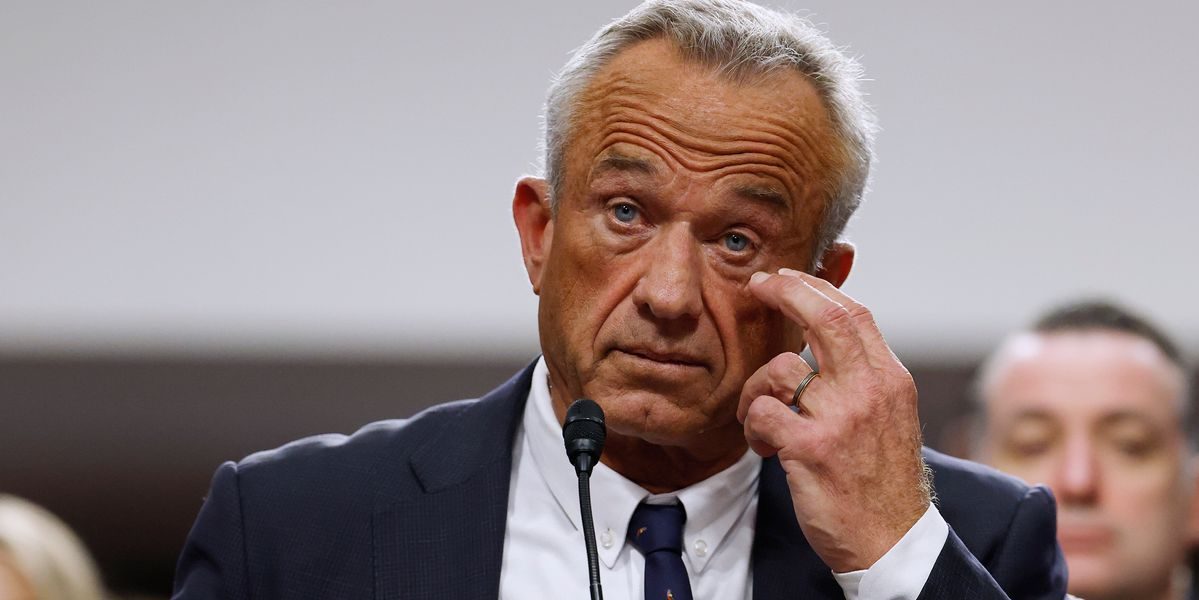
RFK Jr.’s Controversial Vaccine Claims Ignite Medical Community Debate
Robert F. Kennedy Jr. has recently made headlines with his provocative claims regarding vaccines, particularly focusing on their effects on Black communities. His statements have ignited a firestorm of debate within the medical community, prompting experts to respond with both alarm and a call for dialogue. As the discourse surrounding vaccines continues to evolve, it is crucial to examine the implications of Kennedy’s assertions and the broader context of vaccine safety and efficacy.
Understanding RFK Jr.’s Claims
RFK Jr., an environmental attorney and prominent anti-vaccine advocate, has garnered attention for his controversial views on vaccines. He claims that vaccines disproportionately harm Black children, suggesting a correlation between vaccination rates and adverse health outcomes within these communities. Kennedy’s statements have raised questions about the validity of vaccine safety data and the ethical considerations surrounding vaccine distribution.
While Kennedy’s focus on racial disparities in health outcomes is a critical conversation, many medical experts argue that his claims lack substantial scientific backing. Vaccines are subject to rigorous testing and monitoring, and health organizations such as the Centers for Disease Control and Prevention (CDC) and the World Health Organization (WHO) emphasize that vaccines are safe and effective for all populations.
The Medical Community’s Response
In response to RFK Jr.’s controversial vaccine claims, the medical community has rallied to defend the integrity of vaccination programs. Leading health organizations have issued statements reiterating their commitment to evidence-based science, emphasizing that vaccines undergo extensive research before approval. According to Dr. Anthony Fauci, former Director of the National Institute of Allergy and Infectious Diseases, “The overwhelming scientific evidence supports the safety and efficacy of vaccines across all demographics.”
Moreover, experts have pointed out that Kennedy’s framing of vaccine discussions can perpetuate harmful stereotypes and exacerbate mistrust within marginalized communities. Dr. Uche Blackstock, an emergency medicine physician and advocate for health equity, stated, “We need to focus on building trust and addressing the historical injustices that contribute to vaccine hesitancy, rather than promoting misinformation that can further divide us.”
The Importance of Context in Vaccine Discussions
When discussing RFK Jr.’s vaccine claims, it’s essential to consider the historical context surrounding vaccines and healthcare access in Black communities. The legacy of the Tuskegee Syphilis Study and other unethical medical practices have understandably led to skepticism toward healthcare systems among some individuals in these communities. This skepticism can be further fueled by misinformation, making it vital for public health campaigns to engage in transparent and culturally sensitive dialogues.
- Historical Mistrust: The impact of past medical injustices cannot be overlooked. Acknowledging these experiences is crucial for fostering understanding.
- Community Engagement: Building relationships with community leaders and healthcare workers can help bridge the gap between medical advice and public perception.
- Education and Awareness: Providing clear, factual information can empower communities to make informed decisions about vaccination.
Addressing Vaccine Hesitancy
As the debate over RFK Jr.’s controversial vaccine claims unfolds, addressing vaccine hesitancy remains a priority for public health officials. Vaccine hesitancy is a complex issue influenced by various factors, including misinformation, mistrust, and cultural beliefs. Tackling these challenges requires a multifaceted approach:
Strategies for Combatting Vaccine Hesitancy
- Transparent Communication: Health authorities must communicate openly about vaccine development processes, safety monitoring, and potential side effects.
- Community Outreach: Engaging with community leaders and influencers can help disseminate accurate information and counteract myths.
- Tailored Messaging: Crafting messages that resonate with specific communities can improve outreach efforts and encourage vaccination.
Exploring the Data
Despite RFK Jr.’s assertions, multiple studies have consistently shown that vaccines do not cause the adverse outcomes he describes. The CDC and WHO report that vaccines are safe and effective for individuals of all backgrounds. For instance, a comprehensive study published in the journal Pediatrics found no link between vaccines and autism, debunking one of the most prominent claims made by anti-vaccine advocates.
Furthermore, studies have indicated that vaccination rates in Black communities have significantly improved, leading to a decline in vaccine-preventable diseases. According to a report from the American Academy of Pediatrics, the vaccination rate for Black children has risen to over 90%, which is comparable to their white counterparts. This data underscores the importance of addressing misinformation while celebrating progress in immunization efforts.
Looking Ahead: The Future of Vaccine Advocacy
As the medical community continues to respond to RFK Jr.’s controversial vaccine claims, it is clear that the future of vaccine advocacy must emphasize unity and collaboration. Public health campaigns must prioritize building trust with communities, addressing historical grievances, and promoting accurate information.
Moreover, fostering an environment where open dialogue can occur is essential for overcoming the challenges posed by misinformation. By engaging with communities and acknowledging their concerns, healthcare professionals can create a more inclusive and effective vaccination strategy.
Ultimately, the conversation surrounding vaccines should focus on the shared goal of public health. Vaccines save lives, and it is incumbent upon all stakeholders to ensure that accurate information prevails over fear and misinformation. As the debate continues, it is crucial to advocate for science, equity, and compassion in discussions about vaccines and their impact on communities.
Conclusion
RFK Jr.’s controversial vaccine claims have undoubtedly sparked significant debate within the medical community. While his assertions raise important questions regarding health disparities, it is essential to ground discussions in robust scientific evidence and community engagement. By prioritizing trust, transparency, and education, we can work collectively to overcome vaccine hesitancy and promote public health for all.
See more WebMD Network


