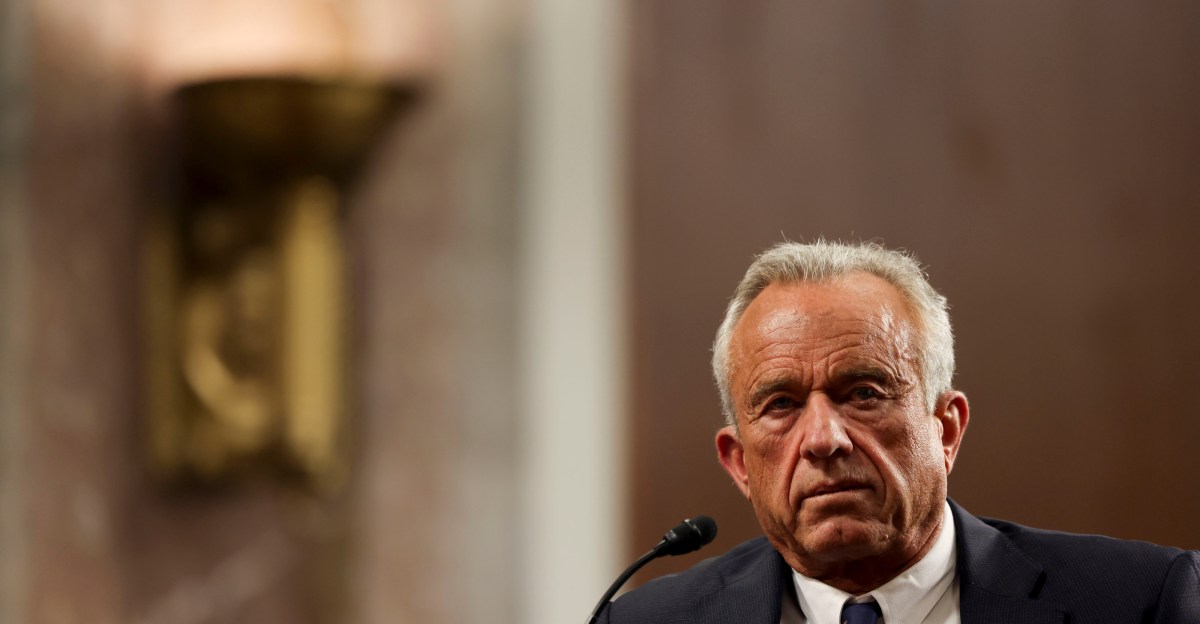
RFK Jr.’s Controversial Stance on the Measles Outbreak
As the measles outbreak continues to raise concerns across various communities, RFK Jr.’s controversial stance on vaccination has ignited a heated debate. Robert F. Kennedy Jr., an environmental attorney and prominent anti-vaccine activist, has taken a firm position regarding the safety and efficacy of vaccines, which he believes are linked to numerous health issues. This article delves into his statements, the broader implications for public health, and provides a comprehensive look at the ongoing measles outbreak.
The Measles Outbreak: A Public Health Concern
Measles, a highly contagious viral disease, has seen a resurgence in recent years, particularly in areas with low vaccination rates. According to the Centers for Disease Control and Prevention (CDC), measles cases in the United States have risen sharply since 2019, leading to significant public health efforts aimed at controlling the spread of the virus. The CDC reported over 1,200 cases in 2019 alone, the highest number in nearly two decades, with outbreaks primarily occurring in unvaccinated populations.
Measles can lead to severe complications, including pneumonia, encephalitis, and even death, particularly in young children and individuals with compromised immune systems. Vaccination, specifically the measles, mumps, and rubella (MMR) vaccine, has been proven to be the most effective method of prevention. However, the growing vaccine hesitancy, fueled by misinformation and public figures like RFK Jr., poses a significant risk to herd immunity and community health.
RFK Jr.’s Statements on Vaccination
RFK Jr. has gained notoriety for his outspoken views on vaccines, which he claims can cause various health issues, including autism. His controversial stance reflects a broader skepticism about the pharmaceutical industry and government health agencies. In numerous interviews and public appearances, he has articulated the belief that vaccines are not only unnecessary but also potentially harmful.
Key Points from RFK Jr.’s Advocacy
- Vaccine Safety Concerns: RFK Jr. argues that vaccines contain harmful ingredients and that their safety has not been adequately studied. He often cites anecdotal evidence from parents who believe their children were harmed by vaccines.
- Government and Industry Mistrust: He expresses distrust toward pharmaceutical companies and government agencies, claiming they prioritize profit over public health.
- Natural Immunity: RFK Jr. promotes the idea that natural immunity, acquired through infection, is preferable to vaccine-induced immunity, despite overwhelming scientific evidence supporting the safety and effectiveness of vaccines.
While RFK Jr. has garnered a following among vaccine skeptics, many public health experts and organizations vehemently dispute his claims. The scientific consensus is clear: vaccines are safe, effective, and crucial in preventing outbreaks of infectious diseases.
The Impact of RFK Jr.’s Views on Public Health
RFK Jr.’s controversial stance on vaccination and the measles outbreak raises critical questions about the impact of celebrity influence on public health. Many studies have shown that misinformation can lead to increased vaccine hesitancy, which ultimately affects herd immunity and community protection. His vocal opposition to vaccines can sway public opinion and contribute to the decline in vaccination rates, particularly among vulnerable populations.
Consequences of Vaccine Hesitancy
- Increased Disease Outbreaks: Lower vaccination rates can lead to outbreaks of preventable diseases, as seen with the recent measles cases. Communities with low vaccination coverage are at a higher risk of epidemics.
- Strain on Healthcare Systems: Outbreaks can overwhelm healthcare facilities, leading to increased healthcare costs and resource allocation challenges.
- Long-term Public Health Implications: A decline in vaccination rates can lead to the resurgence of diseases once thought to be under control, posing a threat to public health achievements over the last century.
Counterarguments from the Scientific Community
In response to RFK Jr.’s claims, numerous health organizations, including the CDC, the World Health Organization (WHO), and the American Academy of Pediatrics (AAP), have released statements emphasizing the importance of vaccination. These organizations provide evidence-based research supporting the safety and efficacy of vaccines:
- Comprehensive Studies: Extensive studies have been conducted to assess vaccine safety, with no credible evidence linking vaccines to autism or other health issues.
- Community Immunity: Vaccination not only protects individuals but also helps protect those who cannot be vaccinated, such as infants and individuals with certain medical conditions.
- Global Health Impact: Vaccination programs have led to the eradication of smallpox and a significant reduction in diseases like polio and measles worldwide.
Promoting Vaccine Education and Awareness
Addressing the controversies surrounding vaccination requires a multifaceted approach. Public health officials, healthcare providers, and communities must work together to promote vaccine education and awareness. Here are some strategies to counter misinformation and encourage vaccination:
- Community Engagement: Engage local communities through town hall meetings, social media campaigns, and collaborations with trusted community leaders to disseminate accurate information about vaccines.
- Empowering Healthcare Providers: Equip healthcare providers with the tools and resources to address vaccine hesitancy, including effective communication strategies to discuss concerns with patients and families.
- Leveraging Social Media: Use social media platforms to share factual information about vaccines, debunk myths, and highlight personal stories from individuals who have benefited from vaccination.
Conclusion
RFK Jr.’s controversial stance on the measles outbreak and vaccination raises significant concerns about public health and the spread of misinformation. While he has sparked a passionate debate, it is imperative for communities to rely on scientific evidence and public health recommendations to guide vaccination efforts. By promoting education, addressing concerns, and fostering trust in vaccines, we can protect our communities from preventable diseases like measles and ensure a healthier future for all.
See more WebMD Network


