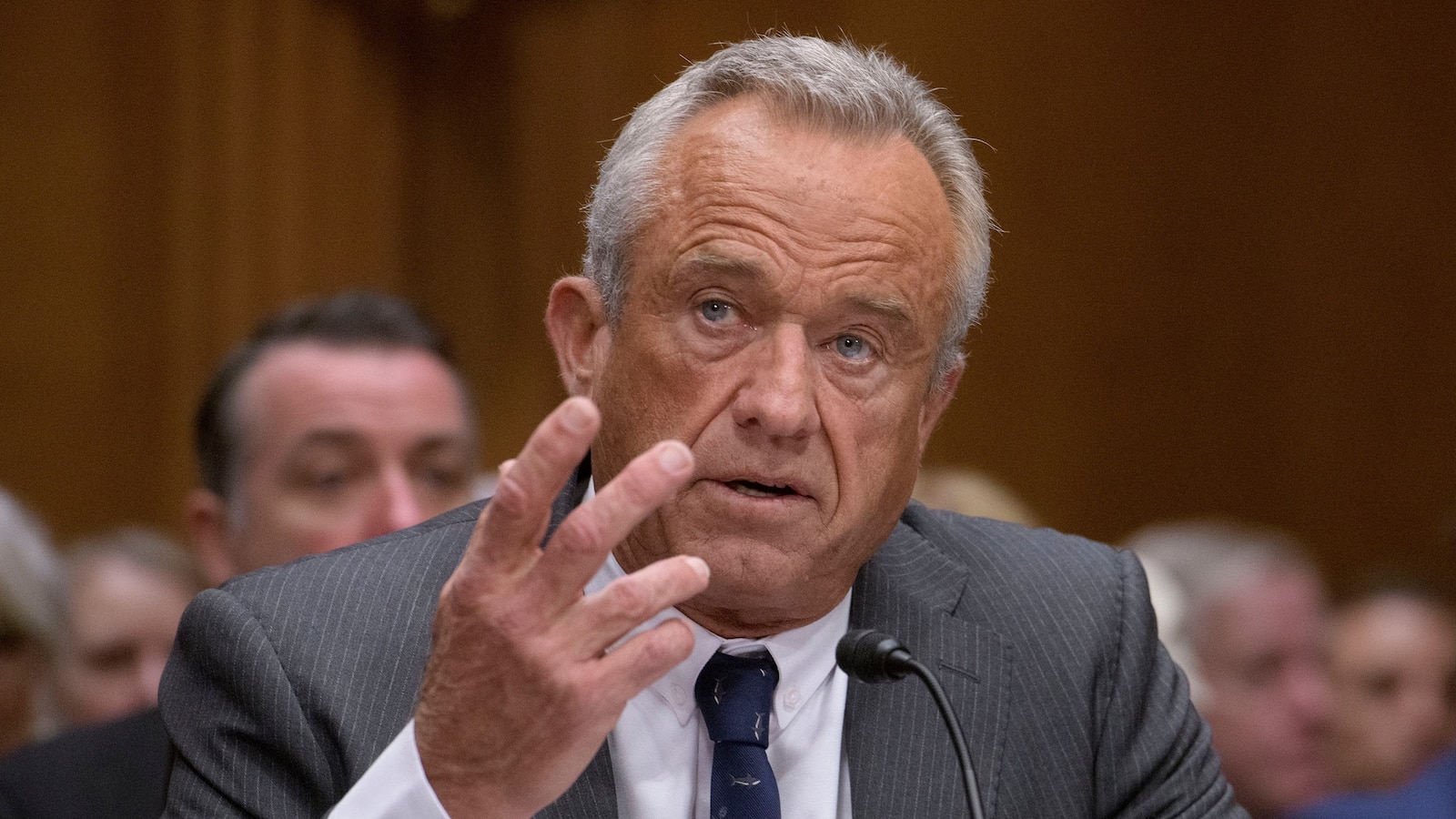
What to Expect as RFK Jr. Steps into the Role of Health Secretary
As Robert F. Kennedy Jr. prepares to step into the pivotal role of Health Secretary, the public is keenly observing how his unique perspectives on health policy will shape the nation’s approach to public health. With a long history of advocacy, often characterized by controversy, Kennedy’s leadership is likely to evoke a mix of optimism and skepticism among various stakeholders in the health community. This article delves into what we can expect from RFK Jr. in this new role, factoring in his past experiences, beliefs, and the current state of public health in the United States.
A Legacy of Advocacy
Robert F. Kennedy Jr. is no stranger to public life or advocacy. As the son of Senator Robert F. Kennedy and the nephew of President John F. Kennedy, he has grown up in a family deeply intertwined with American history and public service. Over the years, he has become a prominent environmental lawyer and an outspoken figure in the vaccine safety movement. His commitment to these causes has garnered both passionate support and fierce criticism.
As Health Secretary, Kennedy’s legacy of activism will likely influence his policies. His focus on environmental health, particularly regarding the impact of pollutants and toxins on public well-being, may lead to initiatives aimed at reducing environmental hazards. However, his controversial views on vaccines could spark significant debate and scrutiny, especially in a post-pandemic era where vaccination has been a focal point of public health discourse.
Shaping Public Health Policy: Key Focus Areas
Expect RFK Jr. to prioritize several key areas as he steps into this critical role:
- Environmental Health Initiatives: Kennedy’s history of advocating for clean air and water suggests a likely focus on policies that address environmental factors affecting public health. This could involve stricter regulations on pollutants and increased funding for research into the health impacts of climate change.
- Vaccine Policy and Public Trust: Given his contentious stance on vaccines, there is a looming question of how he will navigate this landscape. It’s crucial to balance public health imperatives with community concerns. His approach may include efforts to enhance transparency and public dialogue around vaccine safety without outright dismissing scientific consensus.
- Holistic Health Approaches: Kennedy has often advocated for integrative health solutions, emphasizing the importance of nutrition, physical wellness, and mental health. Expect initiatives that promote a more holistic approach to health care, potentially incorporating alternative therapies alongside traditional medical practices.
Potential Challenges Ahead
While there is significant potential for positive change under Kennedy’s leadership, several challenges may arise:
- Public Skepticism: Kennedy’s controversial views on vaccines may alienate segments of the population. Building trust within communities about the importance of vaccination and other public health measures will be essential.
- Political Polarization: The current political climate is highly polarized, and Kennedy’s positions may provoke strong reactions from both supporters and detractors. Navigating this landscape will require diplomacy and a willingness to engage in constructive dialogue.
- Implementation of Initiatives: Translating ideas into actionable policies is often fraught with bureaucratic hurdles. Kennedy will need to work closely with various stakeholders, including state and local health departments, to implement his vision effectively.
Engaging Communities and Building Trust
One of the most critical aspects of Kennedy’s tenure will be community engagement. In public health, trust is paramount. To foster this trust, Kennedy may consider:
- Listening Tours: Engaging directly with communities through town hall meetings and forums can help Kennedy understand the concerns and needs of the populace. This grassroots approach can also help demystify his policies.
- Transparent Communication: Clear and honest communication about health initiatives, particularly regarding vaccines and environmental health, will be crucial. This transparency can help mitigate fears and misinformation.
- Collaborative Partnerships: Building partnerships with local organizations, healthcare providers, and community leaders can create a robust support network for public health initiatives. These collaborations can amplify outreach efforts and enhance the effectiveness of health programs.
The Role of Technology in Public Health
As Health Secretary, RFK Jr. may also embrace technology to improve public health outcomes. The COVID-19 pandemic has accelerated the adoption of telehealth and digital health innovations. Kennedy could prioritize:
- Telehealth Services: Expanding access to telehealth can bridge gaps in healthcare access, especially for underserved populations. This could be a vital component of his strategy to enhance healthcare delivery.
- Data-Driven Public Health Initiatives: Utilizing data analytics to track health trends and outcomes can inform better decision-making. Kennedy may push for enhanced data collection and sharing among health agencies to identify public health challenges more effectively.
- Health Education Platforms: Leveraging digital platforms for health education can empower individuals with knowledge about preventive health measures, nutrition, and environmental health issues.
Looking Ahead: A Balanced Approach
As RFK Jr. steps into the role of Health Secretary, the expectation is for a balanced approach that honors his commitment to both environmental health and public welfare. His ability to navigate the complexities of public health, particularly regarding vaccines, will be under scrutiny. However, if he can successfully engage with communities, foster trust, and implement evidence-based policies, Kennedy has the potential to make significant strides in improving public health outcomes across the nation.
In conclusion, Robert F. Kennedy Jr.’s appointment as Health Secretary presents an opportunity for transformative change in health policy. Observers will be watching closely to see how his controversial yet passionate advocacy shapes his initiatives, and whether he can unite diverse perspectives for the betterment of public health in America.
See more WebMD Network


