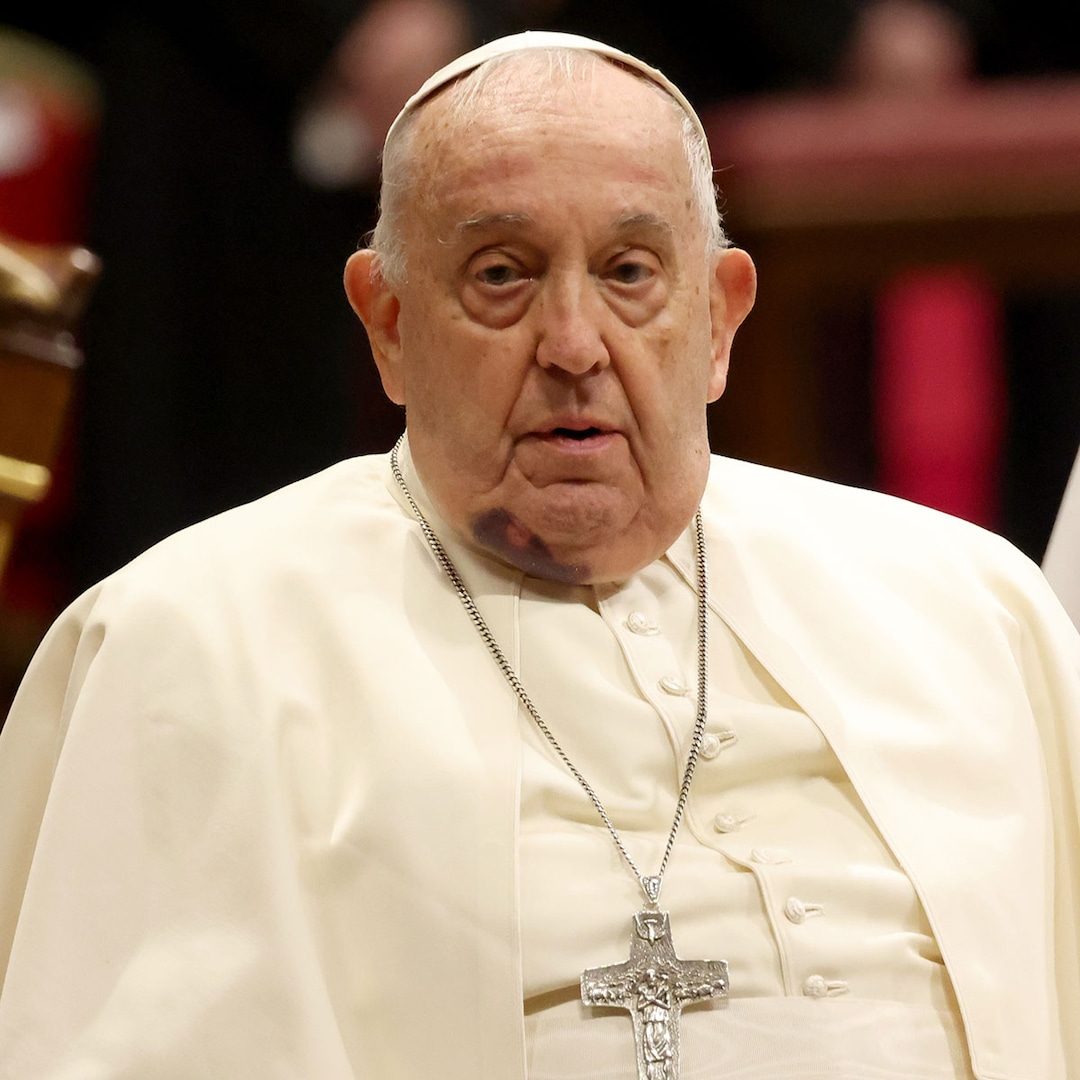
The Dilemma of Faith and Medicine: Pope Francis on the Brink
In recent months, a significant chapter in the life of Pope Francis has unfolded, revealing a profound intersection of faith and medicine. His medical team faced a delicate and ethically charged decision regarding his health, a moment that not only affects his well-being but also sparks a broader dialogue about the moral complexities confronting religious leaders and their healthcare providers. This dilemma highlights the tensions that can arise when spiritual beliefs intersect with the imperatives of modern medicine.
The Context of Pope Francis’ Health
Pope Francis, born Jorge Mario Bergoglio, has been a transformative figure in the Catholic Church since his papacy began in 2013. Known for his humility, focus on social justice, and openness to dialogue, he has gained respect from various quarters, including non-Catholics. However, in recent years, concerns have grown regarding his health, especially following his hospitalization for respiratory issues in early 2023.
As the leader of over a billion Catholics worldwide, the implications of Pope Francis’ health extend beyond his personal well-being. His fragile condition raises questions about succession, church governance, and the role of faith in making critical health decisions. His medical team, comprised of experts who understand both the realities of medicine and the sanctity of life, faced a dilemma that many healthcare providers encounter: balancing the ethical obligations of medical interventions with the philosophical beliefs of their patient.
The Ethical Intersection of Faith and Medicine
The dilemma of faith and medicine is not unique to Pope Francis; it is a universal challenge faced by many individuals, particularly those in positions of authority or influence. For Pope Francis, the ethical considerations are particularly pronounced. His faith teachings emphasize the sanctity of life, which complicates decisions about aggressive medical treatments.
Healthcare professionals often find themselves navigating between what is medically advisable and what aligns with the patient’s values and beliefs. This is especially true for religious leaders like Pope Francis, whose decisions are scrutinized not only by medical standards but also by moral and spiritual criteria.
- Respect for Life: Pope Francis has frequently spoken about the value of life, which influences his views on medical interventions.
- Spiritual Guidance: In times of health crises, spiritual beliefs often guide decisions, making the role of faith in healthcare paramount.
- Patient Autonomy: The principle of autonomy is crucial, yet for a leader of faith, this may involve layers of complexity when considering theological implications.
Insights from Medical Ethics
Medical ethics provides a framework for understanding the dilemmas faced by healthcare providers. The principles of autonomy, beneficence, non-maleficence, and justice are foundational in this field. For Pope Francis, these principles manifest uniquely:
- Autonomy: While Pope Francis is a global religious figure, his right to make decisions about his health should be respected. However, this autonomy is influenced by his role and the expectations of the Catholic Church.
- Beneficence: The medical team must act in the best interests of Pope Francis, weighing the benefits of treatments against potential risks.
- Non-maleficence: The principle of “do no harm” is critical, particularly in cases where aggressive treatments may lead to suffering.
- Justice: The implications of treatment decisions extend to the broader community, especially in the context of healthcare access and equity.
The Role of Faith in Health Decisions
For many faith leaders, the role of spiritual beliefs in health decisions is paramount. Pope Francis has often emphasized the importance of prayer and spiritual support during health crises. This perspective can influence not only his approach to medical treatment but also how his medical team navigates the complexities of his care.
Moreover, faith can provide comfort in times of uncertainty. For Pope Francis, the intersection of faith and medicine may lead to a reliance on prayer and divine guidance, which could impact the medical interventions considered. This reliance on faith does not negate the need for evidence-based medicine; rather, it adds a layer of complexity as both dimensions must be honored.
Public Perception and the Impact on the Church
Pope Francis’ health challenges have garnered significant public attention, leading to speculation about the future of the papacy and the Catholic Church. As a widely respected figure, his decisions resonate beyond the confines of the Vatican, influencing millions around the globe.
The transparency of his medical condition and the ethical considerations surrounding it can have profound implications for the Church. How Pope Francis navigates these challenges may set a precedent for future leaders and how they approach their health and the health of their communities.
Conclusion: A Path Forward
The dilemma of faith and medicine is a complex and nuanced issue, especially as exemplified by the challenges faced by Pope Francis. His medical team’s ethical considerations reflect broader themes that resonate within healthcare and religious communities alike. This moment serves as an opportunity for dialogue about the moral complexities faced by religious leaders and their healthcare providers.
As Pope Francis continues to confront his health challenges, the intersection of faith and medicine remains a pivotal dialogue. The decisions made during this time may not only affect his life but also influence how future generations of healthcare providers and faith leaders approach the delicate balance between spiritual beliefs and medical realities.
Ultimately, the ongoing conversation surrounding Pope Francis’ health is a reminder of the shared humanity that binds us all, irrespective of faith or profession. It underscores the need for compassion, understanding, and a commitment to ethical integrity in the face of life’s most profound dilemmas.
See more WebMD Network


