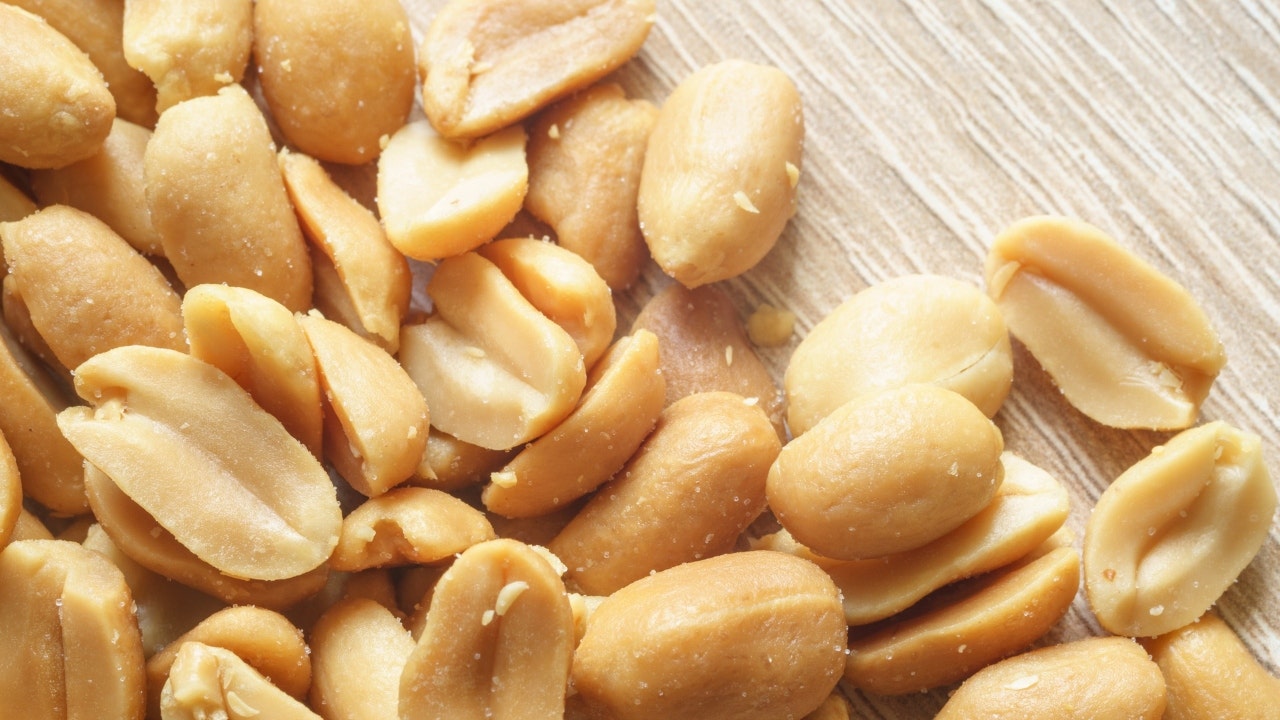
Urgent Recall: Peanuts Linked to Allergic Reaction Spark Widespread Concern
The U.S. Food and Drug Administration (FDA) issued an urgent recall for peanuts distributed in Texas and Oklahoma after a consumer reported a life-threatening allergic reaction. The incident, confirmed on June 12, 2024, has reignited debates about food labeling accuracy and allergen control protocols in manufacturing facilities. The affected products were sold under the “HarvestGold” brand at regional grocery chains.
Details of the Peanut Recall and Immediate Risks
The FDA’s recall notice identified the contaminated batch as HarvestGold “Premium Roasted Peanuts” (Lot #TX-11422) with expiration dates of December 2024. Preliminary investigations suggest cross-contact with undeclared tree nuts during processing. Of particular concern: the packaging lacked the standard “may contain” allergen warning that many consumers rely on for safety decisions.
Key facts about the recall:
- Distribution: 8,400 units across 36 stores
- Reaction severity: The affected individual required epinephrine and emergency hospitalization
- Timeline: Products were shipped between May 1-28, 2024
Food Allergy Statistics Highlight Growing Public Health Challenge
This incident occurs against a backdrop of rising food allergy cases nationwide. According to Food Allergy Research & Education (FARE):
- 32 million Americans have food allergies, including 5.6 million children under 18
- Peanut allergies affect approximately 1.6 million pediatric patients
- Allergic reactions send someone to the ER every 3 minutes in the U.S.
“What makes this case troubling is the apparent breakdown in allergen segregation protocols,” said Dr. Alicia Chen, immunologist at Baylor College of Medicine. “For high-risk allergens like peanuts, we need failsafe systems—not just reliance on labeling.”
Industry Practices Under Scrutiny
Food safety experts point to several systemic issues revealed by the recall:
- Shared equipment: Many facilities process multiple tree nuts on the same production lines
- Testing gaps: Only 18% of manufacturers conduct regular allergen swab tests
- Labeling loopholes: “May contain” warnings remain voluntary under current FDA guidelines
John Peterson, a food processing engineer with 25 years’ experience, noted: “The economics of dedicated allergen-free lines are challenging for mid-sized producers. However, when companies choose shared equipment, they must implement rigorous cleaning validation—not just visual inspections.”
Consumer Advocacy Groups Demand Stronger Protections
The recall has mobilized allergy awareness organizations calling for:
- Mandatory allergen testing for high-risk foods
- Standardized precautionary labeling language
- Stricter FDA oversight of manufacturing audits
“This isn’t about one bad batch of peanuts,” said Maria Gonzalez of Allergy Safe Families. “We’re seeing preventable reactions weekly because our food safety system prioritizes industry flexibility over consumer protection.”
What Consumers Need to Know
Individuals who purchased HarvestGold peanuts should:
- Check for lot #TX-11422 on the package bottom
- Return products to place of purchase for full refund
- Monitor for symptoms if already consumed (hives, swelling, breathing difficulty)
Medical professionals emphasize that reactions can occur up to 2 hours after exposure. “Don’t wait to use epinephrine if symptoms appear,” advised Dr. Chen. “Better to use it unnecessarily than delay treatment.”
The Road Ahead: Policy Changes and Prevention
This incident will likely accelerate several pending food safety initiatives:
- The FASTER Act implementation for improved allergen detection
- FDA’s proposed rules on precautionary allergen labeling
- Congressional hearings on food manufacturing oversight
As investigations continue, the peanut recall serves as a stark reminder of food allergy risks. Consumers are urged to report adverse reactions through the FDA’s Safety Reporting Portal, while manufacturers face growing pressure to overhaul allergen control practices.
For families managing food allergies, staying informed is critical. Bookmark the FDA Food Safety Alert page for real-time updates on recalls and emerging risks.
See more WebMD Network


