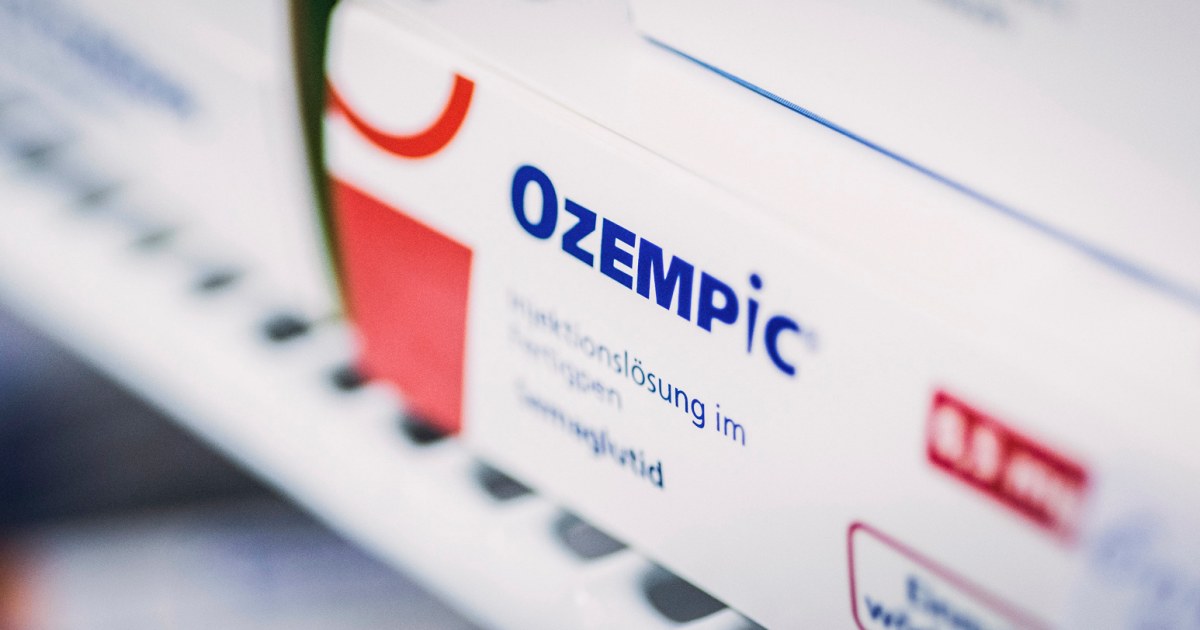
FDA Issues Urgent Alert on Counterfeit Ozempic in U.S. Market
The U.S. Food and Drug Administration (FDA) has issued an urgent warning about counterfeit Ozempic (semaglutide) circulating in the American drug supply chain. The alert, released this week, highlights the growing threat of falsified injectable medications, which may lack active ingredients or contain harmful substances. Patients with type 2 diabetes and healthcare providers are urged to verify the authenticity of Ozempic pens due to potential life-threatening risks.
Rising Threat of Counterfeit Diabetes Medications
The FDA’s investigation revealed that counterfeit Ozempic has been distributed through unauthorized channels, including online pharmacies and unlicensed distributors. These fake products mimic the packaging of genuine Novo Nordisk medications but exhibit critical discrepancies, such as:
- Misspelled labels or incorrect lot numbers
- Absence of semaglutide, the active ingredient
- Unverified safety seals or compromised sterility
Dr. Sarah Chen, an endocrinologist at Johns Hopkins Hospital, emphasized the dangers: “Patients relying on Ozempic for glycemic control could face uncontrolled blood sugar or severe allergic reactions if they unknowingly use counterfeit versions. The consequences are dire—especially for those with comorbidities.”
How to Identify Fake Ozempic
The FDA advises consumers to scrutinize Ozempic pens for these red flags:
- Packaging: Genuine Ozempic includes a unique barcode and holographic film. Counterfeit boxes may lack these features or display blurry text.
- Pen Mechanics: Authentic pens have a smooth dial mechanism; fakes may jam or leak.
- Price: Offers significantly below market rate ($900/month) should raise suspicion.
Novo Nordisk, Ozempic’s manufacturer, reported a 15% surge in counterfeit cases since 2023, correlating with the drug’s off-label use for weight loss. The company has partnered with the FDA to track illicit supply chains.
Broader Implications for Drug Safety
Counterfeit medications are a $200 billion global industry, according to the World Health Organization (WHO). In the U.S., 1% of pharmaceuticals are estimated to be falsified, but hotspots like diabetes and weight-loss drugs see higher rates. Michael Roberts, a former FDA compliance officer, noted: “The Ozempic crisis reflects systemic gaps in monitoring secondary markets. Regulatory agencies need real-time tracking tech to combat this.”
Meanwhile, pharmacies like CVS and Walgreens have tightened procurement protocols, requiring direct purchases from Novo Nordisk-authorized distributors.
Steps for Patients and Providers
The FDA recommends:
- Purchasing Ozempic only through licensed pharmacies with verified credentials.
- Reporting suspicious products via the FDA’s MedWatch program.
- Consulting healthcare providers if side effects like nausea or dizziness worsen unexpectedly.
Patients who suspect counterfeit use should seek immediate medical attention. The agency is also piloting blockchain-based serialization to authenticate medications—a move expected to roll out by 2025.
Looking Ahead: Combating Counterfeit Drugs
Experts urge policymakers to enforce stricter penalties for counterfeiters and expand international cooperation. Public awareness campaigns, similar to those for opioid safety, could mitigate risks. For now, vigilance remains the best defense.
Call to Action: Verify your Ozempic supply using Novo Nordisk’s online verification tool and report anomalies to local authorities.
See more WebMD Network


