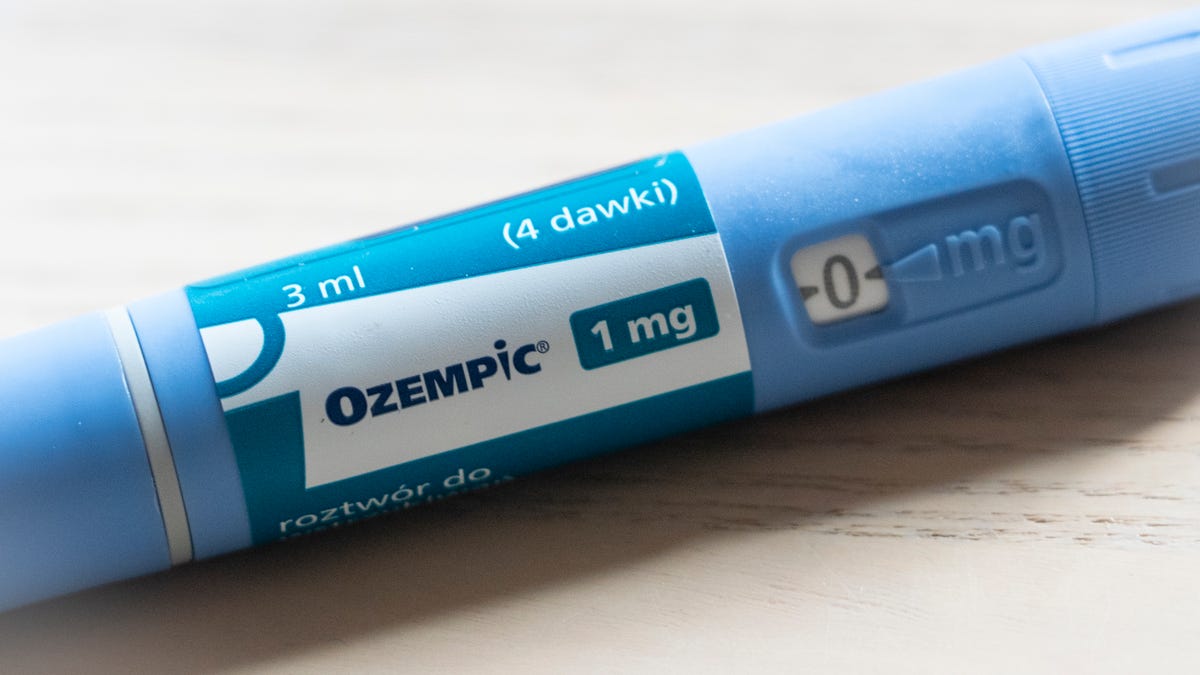
Ozempic’s Surprising Impact: Can It Reduce Alcohol Consumption?
In recent years, Ozempic has emerged as a popular medication primarily used for managing type 2 diabetes and aiding weight loss. However, a surprising new study suggests that Ozempic may have an unexpected side effect: it could potentially reduce alcohol consumption among its users. This revelation opens up a fascinating discussion about the broader implications of Ozempic on lifestyle choices and overall health.
Understanding Ozempic and Its Mechanism
Ozempic, generically known as semaglutide, is a glucagon-like peptide-1 (GLP-1) receptor agonist. It works by mimicking the effects of a hormone that regulates appetite and insulin secretion. By enhancing insulin sensitivity and promoting satiety, Ozempic helps users manage their weight effectively. Many individuals have reported significant weight loss results, leading to its growing popularity.
While the primary focus of Ozempic has been on its metabolic benefits, researchers are beginning to explore its influence on other aspects of health, including alcohol consumption. Understanding this potential linkage requires examining how Ozempic affects the brain’s reward pathways, which play a significant role in alcohol use.
The Connection Between Ozempic and Alcohol Consumption
The recent study suggesting a reduction in alcohol consumption among Ozempic users has intrigued scientists and healthcare providers alike. Researchers believe that the medication’s ability to modulate appetite and reward perception could extend to behaviors associated with alcohol intake.
Here’s how Ozempic might influence drinking habits:
- Altered Reward Response: Ozempic may impact the brain’s reward system, which is responsible for the pleasurable sensations associated with alcohol consumption. If this response is diminished, individuals might find less satisfaction in drinking.
- Reduced Cravings: By modulating appetite and cravings for food, Ozempic could also reduce the cravings associated with alcohol, making it easier for users to cut back.
- Improved Mood and Stability: Many users report feeling better overall while on Ozempic due to weight loss and improved health metrics. A better mood may lead to healthier lifestyle choices, including reduced alcohol intake.
Implications for Health and Lifestyle
The potential for Ozempic to reduce alcohol consumption is significant, especially considering the rising concerns about alcohol-related health issues. Excessive drinking is linked to various health problems, including liver disease, cardiovascular issues, and mental health disorders.
Here are some implications of this surprising finding:
- Holistic Health Benefits: If Ozempic can help reduce alcohol consumption, it may offer users a dual benefit: weight management and healthier drinking habits.
- Prevention of Alcohol-Related Disorders: Reducing alcohol intake can lead to a decrease in the risk of developing alcohol-related conditions, contributing to better overall health.
- Support for Behavioral Changes: Ozempic could play a role in supporting individuals who seek to change their relationship with alcohol, making it a valuable tool alongside counseling and support groups.
Personal Experiences and Anecdotes
While scientific studies provide valuable insights, personal experiences often illuminate the real-world implications of medication like Ozempic. Many users have shared their journeys of weight loss and lifestyle changes, noting an unexpected decrease in their desire to drink alcohol.
For instance, one user shared their experience of being able to enjoy social events without the urge to drink excessively. They noted that since starting Ozempic, they felt more in control of their choices and less inclined to indulge in unhealthy habits. Another user mentioned that the medication not only helped them lose weight but also improved their overall outlook on life, leading to a desire for healthier living, which included reduced alcohol consumption.
Considerations and Cautions
While the potential for Ozempic to reduce alcohol consumption is exciting, it is essential to approach this finding with caution. Not everyone may experience the same effects, and individual responses to the medication can vary widely.
Here are some considerations for individuals thinking about using Ozempic:
- Consult a Healthcare Provider: Before making any changes to your medication or lifestyle, it’s crucial to discuss your goals and concerns with a healthcare professional.
- Monitor Your Progress: If you start taking Ozempic and notice changes in your drinking habits, keep track of these changes and discuss them with your doctor.
- Recognize Other Factors: Alcohol consumption is influenced by various factors, including social environments, stress, and mental health. While Ozempic may help, it is not a standalone solution.
The Future of Ozempic Research
As with any emerging research, further studies are necessary to fully understand the relationship between Ozempic and alcohol consumption. Researchers are keen to explore how these findings can be utilized to develop comprehensive treatment plans for individuals struggling with weight management and alcohol use.
Future research may focus on:
- Longitudinal Studies: Tracking the long-term effects of Ozempic on alcohol consumption and overall health.
- Comparative Studies: Evaluating how Ozempic compares with other interventions aimed at reducing alcohol intake.
- Biological Mechanisms: Investigating the specific biological mechanisms through which Ozempic affects alcohol consumption habits.
Conclusion
The emerging evidence that Ozempic may reduce alcohol consumption is a fascinating development in the realm of weight management and behavioral health. While the primary aim of the medication has been to assist with diabetes and weight loss, its potential impact on lifestyle choices, particularly regarding alcohol intake, could pave the way for innovative approaches to health. As research continues, users and healthcare providers alike have reason to remain optimistic about the broader benefits of this groundbreaking medication.
See more WebMD Network


