Federal Judge Halts NIH Funding Cuts: Understanding the Legal Battle
A federal judge has made headlines recently by temporarily halting the Trump administration’s proposed cuts to funding for the National Institutes of Health (NIH). This decision has significant implications for medical research across the United States, raising pivotal questions about the future of health policy and governance in the face of shifting political landscapes. This article aims to explore the intricacies of this legal battle, the broader implications for medical research, and the potential outcomes that could shape the future of health funding in America.
The Background of NIH Funding Cuts
The NIH, one of the world’s leading biomedical research institutions, plays a vital role in advancing our understanding of health and disease. Funded primarily through taxpayer dollars, the NIH allocates grants to researchers and institutions across the nation, facilitating groundbreaking studies that have led to significant medical advancements. However, the Trump administration proposed cuts to NIH funding, citing the need to reduce federal spending.
Supporters of the cuts argued that government funds could be better allocated, while opponents feared that slashing NIH budgets would hinder vital research efforts, particularly in fields such as cancer, Alzheimer’s, and infectious diseases. With the nation grappling with public health challenges, including the COVID-19 pandemic, the timing of these cuts raised alarm among medical professionals, researchers, and public health advocates alike.
The Legal Challenge to NIH Funding Cuts
In response to the proposed funding cuts, several advocacy groups, including the American Medical Association and the Coalition for the Life Sciences, filed a lawsuit aimed at blocking the implementation of these cuts. They argued that the funding reductions would not only jeopardize ongoing research projects but would also stifle innovation within the medical community.
The case was brought before a federal judge, who ultimately decided to issue a temporary halt to the cuts, citing the potential harm to public health and the fundamental role of NIH funding in advancing critical research. In her ruling, the judge emphasized that the cuts could significantly impact the lives of millions of Americans who rely on research advancements for treatment and care.
Implications of the Ruling
The judge’s decision to halt the NIH funding cuts has several important implications:
- Protection of Ongoing Research: The ruling ensures that current research projects funded by the NIH can continue without the threat of financial instability. This is crucial for maintaining momentum in studies that could lead to life-saving treatments.
- Reinforcement of Public Health Priorities: The decision reflects a broader recognition of the importance of public health funding. In an era marked by health crises, the ruling underscores the necessity of supporting scientific research.
- Political Ramifications: This legal battle highlights the contentious relationship between health policy and political agendas. The ruling may energize advocacy efforts aimed at securing more robust funding for medical research.
Future of NIH Funding: What Lies Ahead?
While the temporary halt to NIH funding cuts is a significant victory for the medical community, the future remains uncertain. Several factors will determine the long-term implications of this legal battle:
1. Appeal Possibilities
The Trump administration may choose to appeal the ruling, which could prolong the legal battle and create uncertainty for researchers reliant on NIH funding. An appeal could lead to further judicial scrutiny of the administration’s budgetary decisions, potentially resulting in additional legal precedents regarding health funding.
2. Legislative Responses
Congressional action may also play a role in shaping the future of NIH funding. Lawmakers could introduce legislation to bolster funding for the NIH, particularly in light of the COVID-19 pandemic and the ongoing need for medical research. Bi-partisan support for health research funding has historically been strong, which could pave the way for more stable financial backing for the NIH.
3. Public Advocacy and Awareness
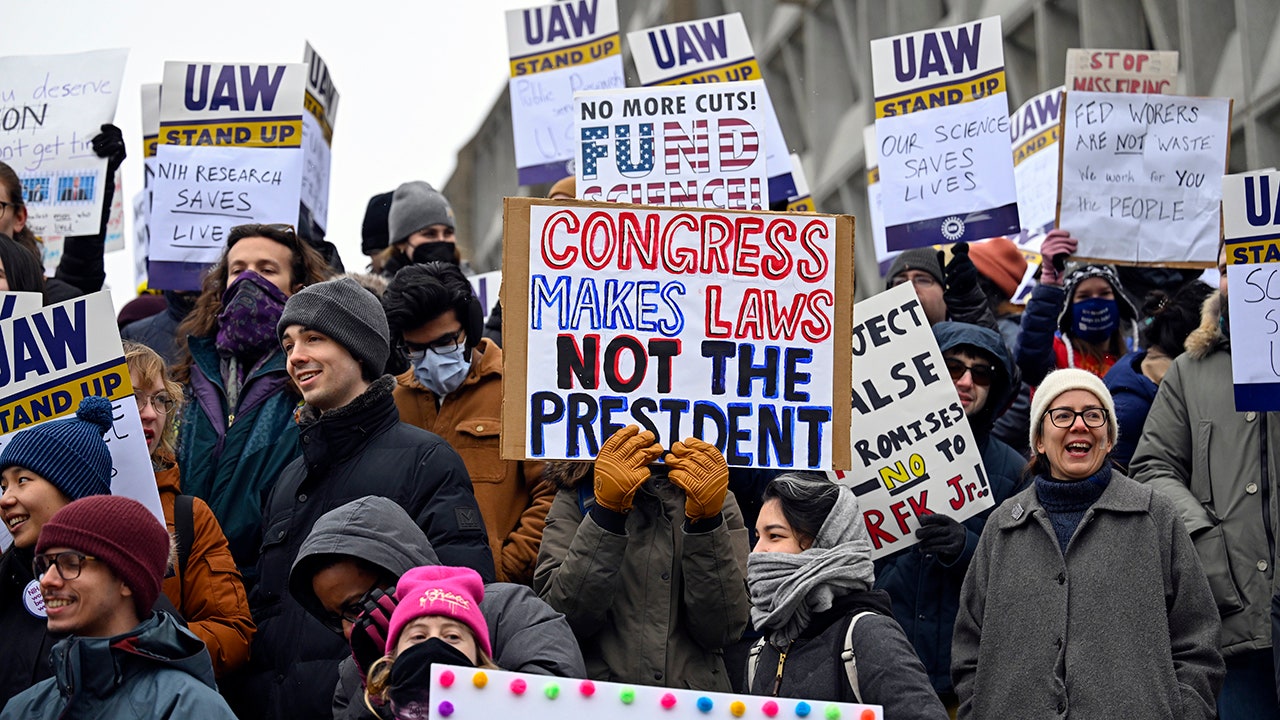
The legal battle has raised public awareness regarding the importance of NIH funding. Increased advocacy from medical professionals, researchers, and the general public could influence policymakers to prioritize health funding in future budgets. Grassroots movements and campaigns may emerge, rallying support for the continued investment in medical research.
The Broader Context: Health Policy and Governance
This legal battle is not just about NIH funding; it reflects broader themes in health policy and governance. The intersection of political agendas with public health priorities raises critical questions about how health decisions are made and who influences those decisions.
In recent years, the politicization of health issues has become increasingly pronounced. Decisions regarding funding, research priorities, and public health responses have often been at the mercy of changing political climates. This legal challenge is a reminder of the importance of maintaining a non-partisan approach to health funding, ensuring that decisions are based on scientific merit rather than political expediency.
Conclusion: A Hopeful Outlook for Medical Research
The temporary halt to NIH funding cuts is a significant development in the ongoing struggle to protect medical research funding in the United States. As this legal battle unfolds, it serves as a reminder of the vital role that the NIH plays in advancing public health and the importance of advocacy in ensuring that research continues to thrive.
While uncertainties remain regarding the future of NIH funding, the ruling represents a hopeful step toward securing necessary resources for medical research. As stakeholders rally to support the NIH, it is crucial to recognize that investing in research is investing in the health and well-being of future generations. The outcome of this legal battle could ultimately shape the landscape of medical research funding for years to come.
See more WebMD Network


