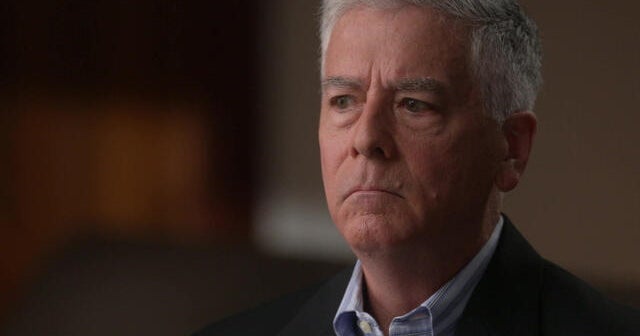
In a world that often undervalues the sacrifices made by its veterans, the story of one father’s relentless pursuit of truth and justice shines a light on the hidden epidemic of brain injuries among Navy SEALs. Following the tragic suicide of his son, a dedicated Navy SEAL, this father is not just seeking answers; he is advocating for awareness, accountability, and change. This article delves into the complexities of brain injuries in veterans, particularly among elite forces like the Navy SEALs, exploring the medical, psychological, and societal implications while highlighting the urgent need for action.
The Heartbreaking Journey Begins
When the news of his son’s death reached him, it shattered a family and ignited a father’s quest for understanding. The young man had served his country with honor, embodying the spirit of a Navy SEAL. Yet, behind the facade of strength lay a troubling reality—brain injuries that often go unnoticed and untreated. This father’s grief transformed into determination as he began to unravel the layers surrounding his son’s mental health and the potential impact of his military service.
As he navigated this uncharted territory, he discovered that brain injuries, particularly traumatic brain injuries (TBIs), are alarmingly prevalent among military personnel. From explosive blasts in combat zones to harsh training environments, the risks are multifaceted and far-reaching.
Navy SEALs undergo some of the most rigorous training in the military. Their missions often expose them to extreme physical and psychological stressors. Unfortunately, this elite training and the nature of their operations can lead to significant health issues, particularly brain injuries. Here are some key points regarding Navy SEAL brain injuries:
- Traumatic Brain Injury (TBI): TBIs occur when an external force causes brain dysfunction. For Navy SEALs, this can result from blasts, falls, or other high-impact events during training or combat.
- Post-Traumatic Stress Disorder (PTSD): Many veterans experience PTSD, which can be exacerbated by brain injuries. The combination of these conditions can lead to severe mental health issues.
- Chronic Traumatic Encephalopathy (CTE): This degenerative brain disease has been linked to repeated head injuries and is increasingly being studied in veterans.
The Hidden Epidemic
Despite the growing awareness of TBIs and their impacts, many veterans, including Navy SEALs, face significant barriers in receiving proper diagnosis and treatment. This father’s quest highlights several challenges:
- Stigma: Many veterans are reluctant to seek help due to the stigma surrounding mental health issues. They fear being perceived as weak or unfit for service.
- Lack of Resources: Access to mental health services can be limited, and many veterans struggle to find the support they need.
- Misdiagnosis: Symptoms of TBIs and PTSD can overlap, making it difficult for healthcare providers to accurately diagnose and treat affected individuals.
In light of these challenges, the father’s mission became clear: to advocate for greater awareness and improved resources for veterans suffering from brain injuries.
The Role of Advocacy and Awareness
This father’s journey is not just personal; it is a call to action for society. By sharing his son’s story, he aims to shed light on the broader issue of brain injuries in veterans. Advocacy efforts can take many forms:
- Community Engagement: Hosting events to raise awareness about the signs and symptoms of TBIs and the importance of seeking help.
- Legislative Action: Encouraging lawmakers to allocate more resources toward veteran healthcare, particularly mental health services.
- Education Initiatives: Providing training for healthcare providers to better recognize and treat brain injuries among veterans.
Through his advocacy, the father hopes to create a ripple effect that inspires others to join the cause, fostering a community that supports veterans in their healing journeys.
The Path Forward: Seeking Change
As this father continues his quest, he envisions a future where no veteran feels alone in their struggles. His determination is fueled by the belief that awareness leads to change. Here are some potential avenues for improvement:
- Increased Research Funding: More resources should be allocated to research on brain injuries and their long-term effects on veterans.
- Enhanced Training Programs: Developing comprehensive training programs for Navy SEALs and other military personnel to recognize and address brain injuries early.
- Support Networks: Creating robust support networks for veterans and their families, providing them with the tools and resources they need to navigate their challenges.
Conclusion: A Legacy of Hope
Through his heart-wrenching journey, this father has transformed his grief into a powerful movement for change. The quest for answers surrounding Navy SEAL brain injuries is not just a personal mission; it is a rallying cry for all veterans and their families who struggle in silence. By raising awareness and advocating for better resources, he embodies the spirit of resilience that defines the very essence of our military heroes.
As we reflect on the sacrifices made by those who serve, let us also recognize the importance of supporting their mental health. The journey toward understanding and healing is ongoing, but with dedicated advocates like this father, there is hope for a brighter future for all veterans affected by brain injuries.
See more WebMD Network


