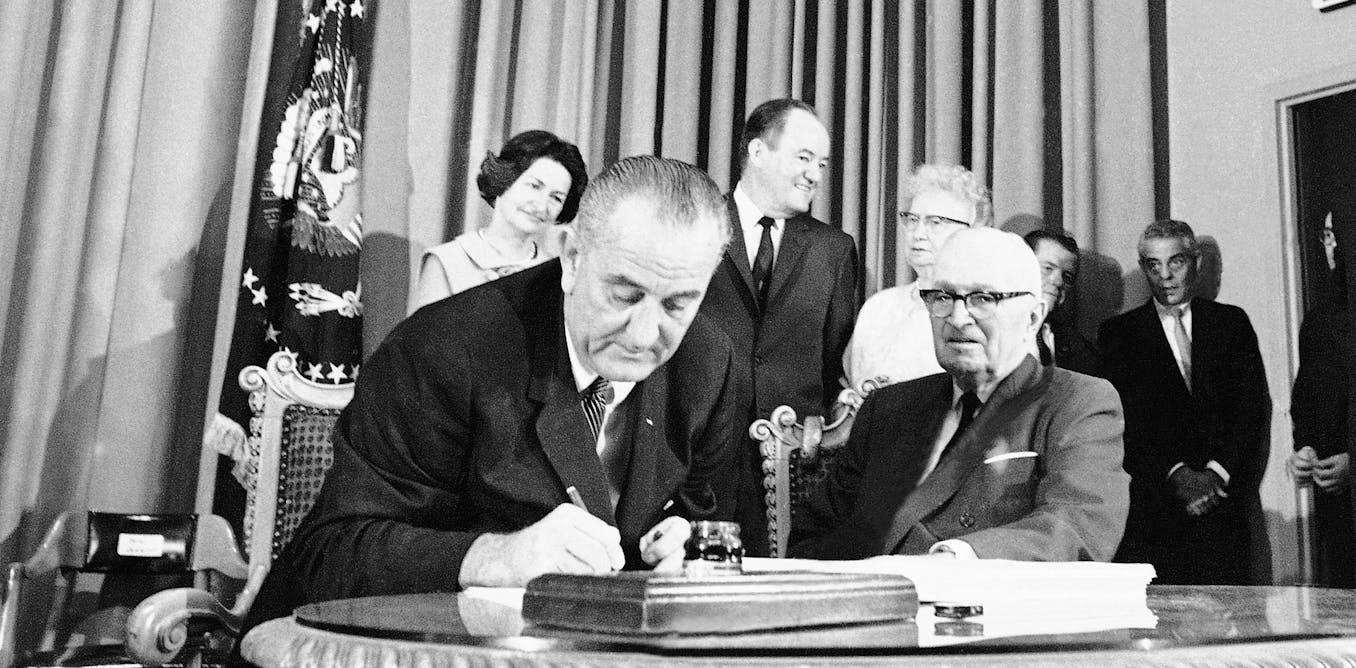
The Evolution of Medicaid: America’s Ongoing Quest for a Robust Health Care Safety Net
The evolution of Medicaid is a compelling narrative that underscores America’s ongoing quest for a robust health care safety net. Established in 1965 as part of the Social Security Act, Medicaid was designed to provide health coverage for low-income individuals and families. Over the decades, this program has transformed significantly, responding to changing societal needs, political climates, and health care challenges. In this article, we will explore the intricate history of Medicaid, unpack the various challenges it has faced, and highlight its triumphs in establishing a sustainable health care framework in the United States.
The Origins of Medicaid
Medicaid emerged during a period of significant social change in the United States. The 1960s were marked by a growing awareness of poverty and the need for comprehensive social welfare programs. As part of President Lyndon B. Johnson’s Great Society initiative, Medicaid was paired with Medicare, which provided health coverage for older adults. This dual approach aimed to address the needs of both the elderly and the economically disadvantaged.
Initially, Medicaid served as a program for the states, allowing them to tailor their benefits and eligibility criteria. This flexibility meant that coverage varied widely from state to state, leading to disparities in access and services. Nonetheless, the program quickly became a crucial safety net for millions of Americans, particularly children, pregnant women, and individuals with disabilities.
Challenges in the Early Years
Despite its noble intentions, the early years of Medicaid were fraught with challenges. The program faced criticism for its complexity and inconsistency across states. Some of the key challenges included:
- Funding Issues: Medicaid’s funding structure, shared between the federal and state governments, often led to financial strain on states, especially during economic downturns.
- Eligibility Restrictions: Many low-income individuals found themselves ineligible for Medicaid due to strict income and asset limits.
- Access to Care: Variability in provider participation created barriers to services in many regions, leaving beneficiaries without adequate access to necessary care.
These challenges prompted ongoing discussions about Medicaid’s future and its role in the American health care landscape.
Reform and Expansion: The 1980s and 1990s
The 1980s and 1990s saw significant reform efforts aimed at addressing Medicaid’s shortcomings. The introduction of the Medicaid Drug Rebate Program in 1990 marked a pivotal moment, allowing states to negotiate lower prices for prescription medications. This initiative not only reduced costs for states but also improved access to essential medications for beneficiaries.
Additionally, the Omnibus Budget Reconciliation Act of 1986 expanded coverage to include the medically needy, allowing individuals with high medical expenses to qualify for Medicaid. These reforms were crucial in broadening the safety net and ensuring that more vulnerable populations received the care they needed.
Medicaid’s Role in the 21st Century
As we transitioned into the 21st century, Medicaid continued to evolve in response to emerging health care trends and policy shifts. The most significant change came with the passage of the Affordable Care Act (ACA) in 2010, which expanded Medicaid eligibility to millions of low-income adults. This expansion aimed to reduce the number of uninsured Americans and improve access to preventive services.
According to the Kaiser Family Foundation, Medicaid expansion under the ACA has played a crucial role in decreasing the uninsured rate, particularly in states that opted to expand the program. As of now, over 12 million additional individuals have gained coverage through Medicaid since the ACA’s implementation.
Contemporary Challenges and Innovations
Despite its successes, Medicaid faces contemporary challenges that threaten its sustainability and effectiveness. Some of these challenges include:
- Budget Constraints: States often grapple with rising health care costs and budget limitations, leading to potential cuts in Medicaid services or eligibility.
- Political Pressure: Ongoing debates about the future of health care reform and state vs. federal control over Medicaid create an uncertain environment.
- Access Disparities: While Medicaid has improved access for many, disparities still exist, particularly in rural areas where providers may not accept Medicaid.
In response to these challenges, many states are exploring innovative approaches to Medicaid delivery. Initiatives such as value-based care, integrated health services, and behavioral health integration aim to improve outcomes while controlling costs. These innovations reflect a growing recognition that health care is not merely a service but a vital component of overall well-being.
The Future of Medicaid: A Path Forward
The future of Medicaid will undoubtedly depend on the ability of policymakers, health care providers, and communities to collaborate in addressing the ongoing challenges. Several key areas warrant attention:
- Policy Reform: Advocating for comprehensive policy reform that enhances funding, expands eligibility, and reduces administrative burdens is essential for the program’s sustainability.
- Health Equity: Striving for health equity should be a priority, ensuring that all individuals, regardless of socioeconomic status, have access to quality care.
- Technology Integration: Leveraging technology to streamline services, improve patient engagement, and enhance data collection can lead to more effective Medicaid programs.
As we move forward, the evolution of Medicaid will continue to reflect the changing landscape of American society. By embracing innovation, prioritizing health equity, and advocating for robust policy reforms, we can ensure that Medicaid remains a vital part of America’s health care safety net.
Conclusion
In conclusion, the evolution of Medicaid illustrates America’s ongoing quest for a robust health care safety net. From its inception in the 1960s to its current status as a critical program for millions, Medicaid has faced numerous challenges and celebrated many triumphs. The path ahead is filled with opportunities for reform and innovation, and it is imperative that all stakeholders work together to strengthen this vital lifeline for the most vulnerable members of society. By doing so, we can ensure that Medicaid not only survives but thrives, fulfilling its promise to provide essential health care to those in need.
See more WebMD Network


