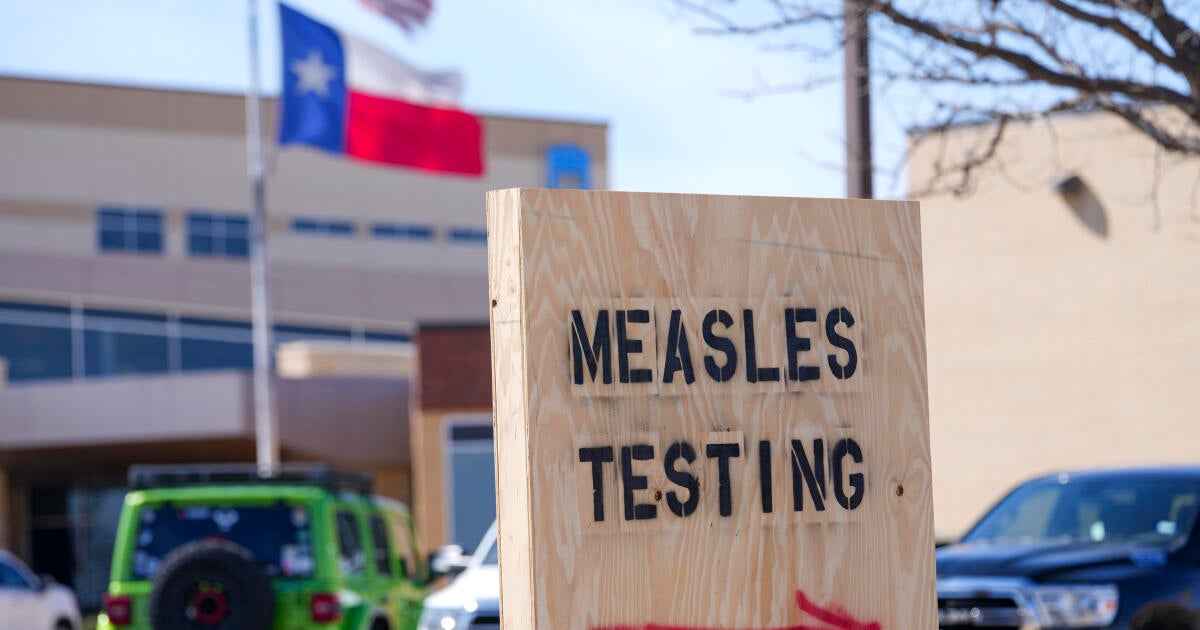
Unveiling the Measles Crisis: A Nationwide Overview of Recent Outbreaks
The resurgence of measles across the United States is raising alarms among public health officials, parents, and communities alike. A comprehensive map detailing the alarming rise of measles cases highlights not only the hotspots of infection but also the urgent need for vaccination. As communities grapple with this public health challenge, understanding the factors contributing to these outbreaks is essential for protecting public health and ensuring the safety of vulnerable populations.
The Current Landscape of Measles Outbreaks
In recent months, the Centers for Disease Control and Prevention (CDC) has reported a significant increase in measles cases nationwide. More than 1,200 cases have been recorded in just the past year, a stark increase compared to previous years where cases were minimal thanks to widespread vaccination efforts. This uptick emphasizes a critical need for renewed focus on vaccination as a primary means of prevention.
Areas experiencing the highest number of outbreaks include:
- New York: Particularly in communities with low vaccination rates.
- California: Large gatherings and festivals have been linked to recent cases.
- Texas: Urban areas with high population density are seeing the effects of vaccine hesitancy.
The implications of these outbreaks extend beyond individual health; they threaten the collective immunity that protects the entire community, especially those who cannot be vaccinated due to medical reasons.
Understanding Measles: A Highly Contagious Virus
Measles is an extremely contagious viral disease. The virus can remain in the air for up to two hours after an infected person has left the area, making it easy to spread in crowded spaces. Symptoms typically begin with a high fever, cough, runny nose, and red eyes, followed by the characteristic rash that usually appears several days later.
While many people recover without complications, measles can lead to serious health issues, including:
- Pneumonia
- Encephalitis (brain inflammation)
- Severe diarrhea
These complications can be especially severe in young children and individuals with weakened immune systems, making vaccination critical for public health.
The Role of Vaccination in Preventing Measles
The most effective way to prevent measles is through vaccination. The measles, mumps, and rubella (MMR) vaccine is safe and effective, with about 97% efficacy after two doses. The CDC recommends that children receive the first dose of the MMR vaccine between 12 and 15 months of age and a second dose between 4 and 6 years of age.
Despite the proven effectiveness of the MMR vaccine, vaccine hesitancy has emerged as a significant barrier to achieving herd immunity. This hesitancy is often fueled by misinformation regarding vaccine safety, a belief in natural immunity, and distrust in medical institutions.
Mapping the Measles Crisis: Visual Insights
Recent studies have produced comprehensive maps showing the geographical distribution of measles outbreaks. These visual aids are essential for understanding where the crisis is most acute and for targeting public health interventions. The maps highlight:
- Hotspots: Areas with high concentrations of unvaccinated individuals.
- Trends: Seasonal patterns of outbreaks, often coinciding with large gatherings or festivals.
- Vulnerable Communities: Identification of communities with low vaccination rates and high susceptibility to outbreaks.
By leveraging these insights, public health officials can deploy resources more effectively, ensuring that vaccination campaigns reach those who need them most.
The Importance of Community Engagement
Addressing the measles crisis requires robust community engagement. Public health campaigns must focus on educating communities about the importance of vaccination, dispelling myths, and building trust in the healthcare system. Strategies include:
- Local Outreach: Partnering with community leaders and organizations to disseminate accurate information.
- School Programs: Implementing vaccination drives in schools to increase accessibility.
- Social Media Campaigns: Utilizing social media platforms to reach broader audiences with factual information.
Community engagement not only helps increase vaccination rates but also strengthens the overall resilience of communities against future outbreaks.
Looking Ahead: Strategies for Combating the Measles Crisis
As we move forward, several strategies can be implemented to combat the measles crisis effectively:
- Policy Changes: Advocating for policies that require vaccinations for school attendance, thus increasing overall immunization rates.
- Healthcare Access: Ensuring that all communities have access to vaccination services, especially in underserved areas.
- Monitoring and Surveillance: Strengthening disease surveillance systems to quickly identify and respond to outbreaks.
By combining these strategies with public awareness campaigns, we can control the current outbreaks and prevent future occurrences.
Conclusion: A Call to Action
The recent rise in measles cases serves as a stark reminder of the importance of vaccination and public health vigilance. As communities face this challenge, it is essential to prioritize education, engage with local populations, and advocate for policies that protect public health. By working together, we can overcome the measles crisis and ensure the safety and health of our communities. Vaccination not only protects individuals but also fortifies the collective immunity that is vital for public health.
See more WebMD Network


