Unveiling the Brain: Scientists Map Mouse Neural Wiring in Groundbreaking Study
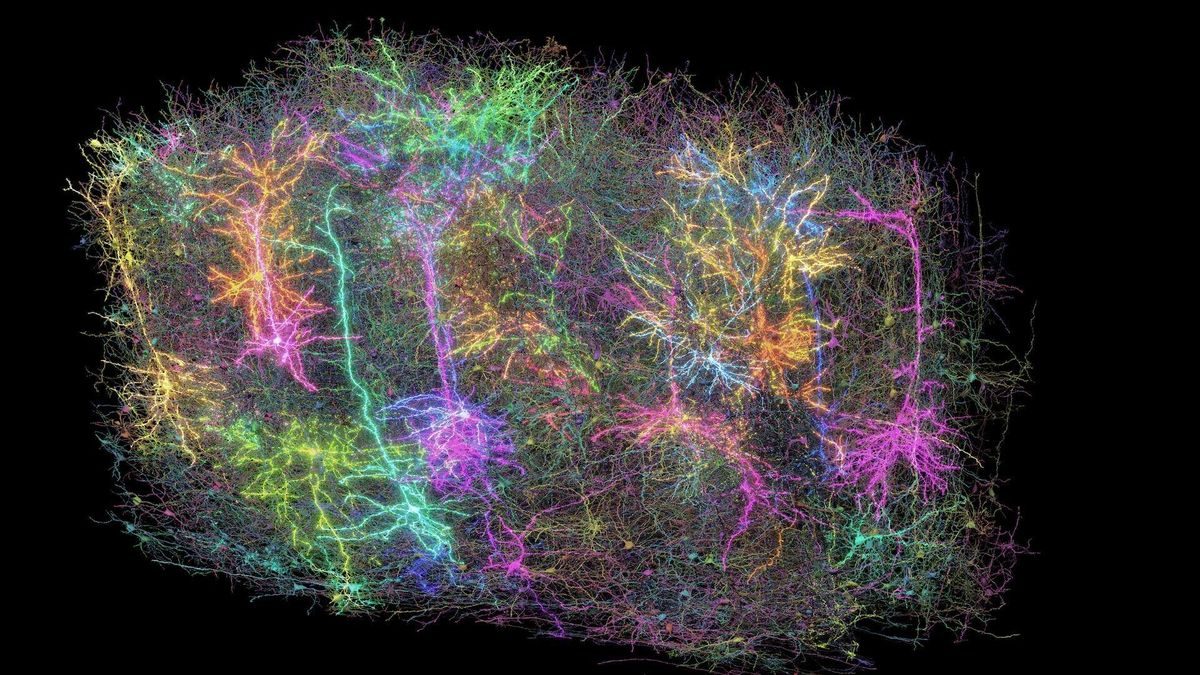
In a landmark achievement for neuroscience, an international research team has created the most comprehensive map of neural connections in a mouse brain to date. Published this week in Nature Neuroscience, the study charts over 5,000 distinct neural pathways across 300 brain regions, offering unprecedented insights into how information flows through mammalian brains. This breakthrough could revolutionize our understanding of neurological disorders and cognitive functions.
The Scale and Significance of the Neural Mapping Project
Over five years, researchers from Harvard, MIT, and the Allen Institute for Brain Science employed cutting-edge techniques to trace neural circuits with microscopic precision. Their work revealed:
- 3D reconstructions of over 10 million synaptic connections
- Previously unknown communication pathways between sensory and memory centers
- Asymmetries in left-right brain wiring that challenge existing models
“This is like having Google Maps for the brain when we previously only had hand-drawn sketches,” said Dr. Elena Rodriguez, lead neuroscientist at MIT’s Brain Research Center. “We can now see the brain’s interstate system, back roads, and even some pedestrian pathways we never knew existed.”
Technological Breakthroughs Behind the Discovery
The team combined three innovative approaches to achieve this milestone:
- Automated electron microscopy: Scanned ultra-thin brain sections at nanometer resolution
- Fluorescent tagging: Tracked specific neuron types across different regions
- Machine learning algorithms: Processed petabytes of imaging data to reconstruct pathways
According to the study, the imaging data alone would fill 20,000 standard hard drives – equivalent to streaming HD video continuously for 38 years. This computational scale represents a 100-fold improvement over previous mapping attempts from just a decade ago.
Implications for Understanding Brain Disorders
The new wiring diagram provides crucial context for neurological research. Scientists identified several “hub regions” that appear central to multiple brain functions – areas that often show abnormalities in conditions like:
- Alzheimer’s disease (memory circuits)
- Schizophrenia (prefrontal connections)
- Autism spectrum disorders (sensory integration pathways)
“We’re seeing patterns that could explain why certain disorders affect multiple cognitive functions simultaneously,” noted Dr. Raj Patel, a neurologist at Johns Hopkins unaffiliated with the study. “It’s not just about damaged areas, but how disruptions propagate through the brain’s network.”
Debates and Limitations in the Findings
While the scientific community has largely praised the research, some experts caution against overinterpretation. The mouse brain, while structurally similar to humans, lacks equivalent complexity in regions governing language and abstract thought.
Dr. Susan Park of Stanford’s Neuroethics Center raises important questions: “This is an extraordinary technical achievement, but we must remember mice aren’t tiny humans. The real test will be how these findings translate to clinical applications.”
Additionally, the current map represents neural wiring in healthy adult mice. Researchers emphasize the need for follow-up studies examining:
- Developmental changes from birth to adulthood
- Effects of learning and environmental factors
- Differences between individual subjects
Future Directions and Potential Applications
The research team has made their full dataset publicly available, accelerating global neuroscience efforts. Immediate next steps include:
- Creating dynamic models of neural activity patterns
- Developing targeted interventions for specific circuits
- Applying these methods to primate brain studies
Pharmaceutical companies have already expressed interest in using the map to design more precise neurological drugs. Meanwhile, AI researchers are studying the brain’s wiring efficiency to inspire next-generation computing architectures.
As Dr. Rodriguez concludes: “We’ve been given the parts list and assembly diagram for nature’s most complex machine. Now the real work begins – understanding how this biological circuitry creates thought, memory, and consciousness itself.”
For those interested in exploring the interactive brain maps, the research team has created public visualization tools that bring these neural pathways to life for scientists and curious minds alike.
See more WebMD Network


