Unraveling the Controversy: The Risks of Unregulated Hyperbaric Oxygen Therapy
The tragic death of a young boy has ignited a heated debate over the safety and regulation of hyperbaric oxygen therapy (HBOT). This incident has raised profound concerns regarding the practices surrounding HBOT, a therapy that has gained popularity for its purported benefits in treating various medical conditions. Experts are now urging a closer examination of its practices to prevent future tragedies and ensure the safety of patients. In this article, we will explore the potential risks associated with unregulated hyperbaric oxygen therapy, the current state of regulation, and the need for heightened scrutiny in this burgeoning field.
Understanding Hyperbaric Oxygen Therapy
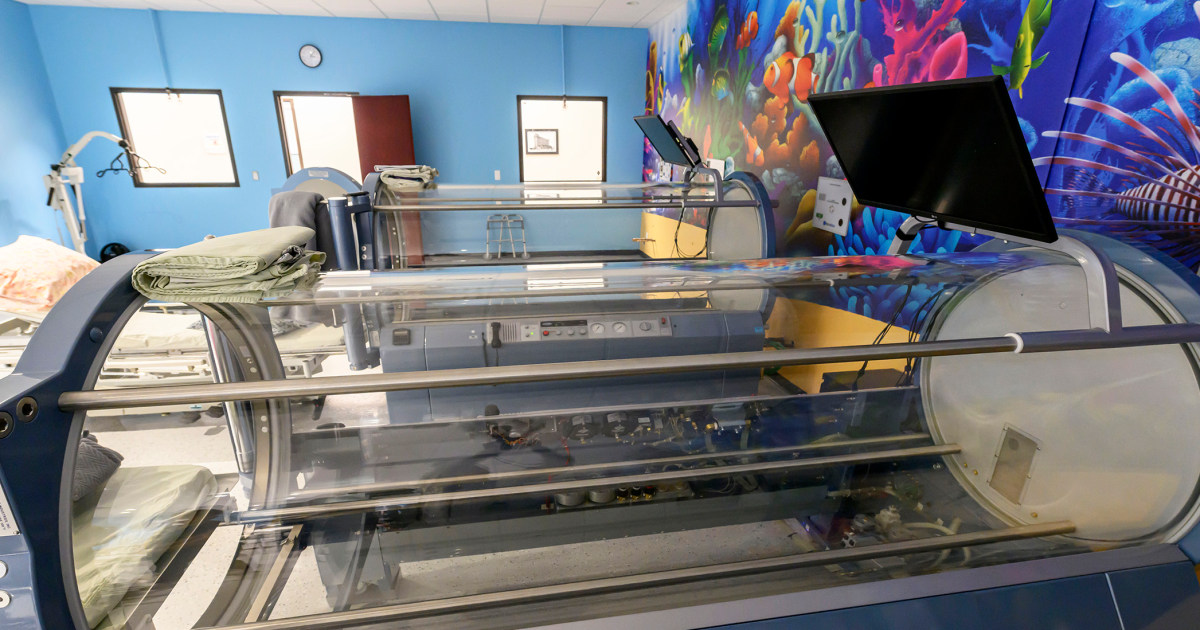
Hyperbaric oxygen therapy involves breathing pure oxygen in a pressurized environment. This therapy is typically administered in a hyperbaric chamber, where the atmospheric pressure is increased to more than two times that of normal air pressure. The therapy has been traditionally used to treat conditions such as decompression sickness, carbon monoxide poisoning, and chronic non-healing wounds. However, in recent years, it has been touted for a variety of off-label uses, including treatments for neurological disorders, sports injuries, and even aging.
While there is a solid body of evidence supporting some of these applications, the expansion of HBOT into unregulated territories raises significant safety concerns. The therapy is not without risks, and the potential for serious complications increases when it is not administered by trained professionals in a controlled setting.
The Risks of Unregulated Hyperbaric Oxygen Therapy
Despite its therapeutic benefits, unregulated hyperbaric oxygen therapy carries several risks, particularly when performed outside of established medical guidelines. Here are some of the significant dangers associated with its misuse:
- Barotrauma: This refers to injuries caused by changes in pressure, particularly in the lungs and ears. Rapid pressure changes can lead to ruptured eardrums or lung over-expansion injuries.
- Oxygen Toxicity: Breathing pure oxygen can lead to toxicity, affecting the central nervous system and lungs. Symptoms may include seizures, visual disturbances, and respiratory distress.
- Infection Risk: Improperly maintained hyperbaric chambers can become breeding grounds for bacteria, increasing the risk of infections.
- Psychological Effects: Extended stays in hyperbaric chambers may lead to anxiety, claustrophobic reactions, and other psychological effects in patients.
These risks are exacerbated when the therapy is administered in non-medical settings or by individuals without the requisite training and expertise. The recent tragedy involving a young boy highlights the urgent need for regulatory measures to ensure patient safety.
The Regulatory Landscape of Hyperbaric Oxygen Therapy
In many countries, including the United States, the regulation of hyperbaric oxygen therapy is fragmented. While certain uses of HBOT are well-established and regulated, off-label uses often fall into a gray area. The lack of comprehensive oversight allows for the proliferation of unregulated treatment centers that may promote HBOT for conditions lacking sufficient scientific support.
The U.S. Food and Drug Administration (FDA) has approved HBOT for specific conditions, and many medical professionals advocate for adherence to these guidelines. However, with the rise of alternative medicine and wellness trends, numerous clinics have sprung up, offering HBOT without proper medical supervision. This situation raises concerns about the qualifications of practitioners and the safety protocols in place.
Case Study: The Tragic Incident
The recent death of a young boy during an unregulated hyperbaric oxygen therapy session has brought the issue to the forefront of public discourse. Reports indicate that the boy was undergoing treatment for a condition that was not clearly defined, and the therapy was administered in a facility lacking appropriate medical oversight. This heartbreaking incident has sparked outrage and calls for stricter regulations to prevent similar tragedies in the future.
Experts in the field are calling for a comprehensive review of existing practices and the establishment of clear guidelines for the administration of hyperbaric oxygen therapy. They argue that without stringent regulations, patients may be exposed to unnecessary risks, and the therapeutic potential of HBOT may be compromised by irresponsible practices.
Advocating for Change: The Role of Medical Professionals
Medical professionals and organizations are pivotal in advocating for the regulation of hyperbaric oxygen therapy. They emphasize the importance of education and awareness among both healthcare providers and patients regarding the risks associated with unregulated treatments. Here are some steps that can be taken:
- Education and Training: Medical professionals should be well-versed in the indications, contraindications, and potential risks of HBOT. Ongoing education can help practitioners stay updated on best practices.
- Public Awareness Campaigns: Initiatives aimed at educating the public about the risks of unregulated therapy can empower patients to make informed decisions about their healthcare.
- Collaboration with Regulatory Bodies: Healthcare professionals can work with regulatory agencies to establish and enforce guidelines for the safe administration of HBOT.
The Path Forward
As the debate surrounding hyperbaric oxygen therapy continues, it is clear that a multi-faceted approach is necessary to ensure patient safety. Striking a balance between the therapeutic potential of HBOT and the risks associated with its unregulated use is vital. While there is promise in the therapy, the tragic loss of life serves as a stark reminder of the need for vigilance and regulation.
In the wake of this incident, stakeholders across the healthcare spectrum must come together to advocate for a framework that prioritizes patient safety. By implementing comprehensive regulations, enhancing education, and fostering public awareness, the medical community can help prevent future tragedies and ensure that hyperbaric oxygen therapy is administered safely and effectively.
Ultimately, the goal is to harness the benefits of this therapy while safeguarding the health and well-being of patients. As discussions evolve, it is crucial to remember that the lives of individuals—like the young boy who lost his life—are at the heart of this issue. Striving for a better, safer future in hyperbaric oxygen therapy is not just a professional obligation; it is a moral imperative.
See more WebMD Network


