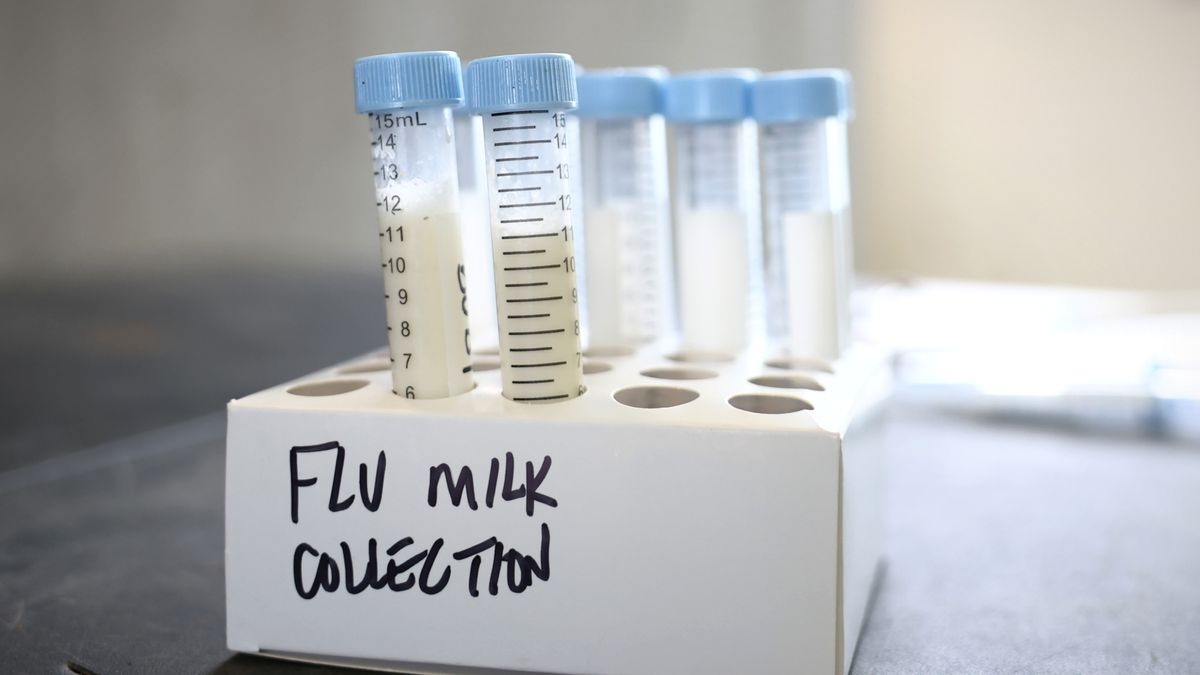
Unveiling a New Strain: H5N1 Bird Flu’s Surprising Discovery in Dairy Cows
A startling new form of H5N1 bird flu has been detected in dairy cows across the United States, raising concerns about animal health and potential human implications. This unexpected finding prompts further investigation into how this avian virus is adapting in new hosts. The discovery has sent ripples through both agricultural and public health communities, highlighting the need for vigilance as we grapple with the evolving nature of zoonotic diseases.
Understanding H5N1 Bird Flu
The H5N1 strain of avian influenza, commonly known as bird flu, has been a significant concern since its emergence in the late 1990s. Primarily affecting birds, this virus has caused severe disease and mortality in domestic poultry and wild birds. While human infections have been rare, they often result in severe respiratory illness and have a high mortality rate. The primary concern has always been its potential to mutate and spread more widely among humans, leading to a pandemic.
Traditionally, H5N1 is primarily transmitted through direct contact with infected birds or contaminated environments. However, the recent discovery of this strain in dairy cows raises critical questions about the adaptability of the virus and its potential to infect mammals beyond its usual avian hosts.
Recent Findings in Dairy Cows
Reports from veterinary health officials indicate that several dairy farms in the United States have identified cases of H5N1 in cows. This revelation is unprecedented and suggests that the virus may be evolving to infect species it previously did not affect. The cows exhibited respiratory symptoms and, in some cases, neurological signs, prompting further testing that confirmed the presence of H5N1.
- Symptoms in Affected Cows:
- Respiratory distress
- Fever
- Nasal discharge
- Neurological signs such as tremors
- Potential Transmission: The transmission pathways remain unclear, but it is thought that contact with contaminated feed or water may play a role.
This unexpected adaptation of the H5N1 virus in dairy cows raises alarms among experts and farmers alike. It highlights the risks of cross-species transmission and the potential for the virus to establish itself in new hosts, further complicating control measures.
Why Is This Discovery Significant?
The implications of H5N1’s emergence in dairy cows extend beyond animal health. Here are several key areas of concern:
- Animal Health: The health of dairy cows is critical for the agricultural economy, affecting milk production and farm sustainability.
- Human Health Risks: Although human cases remain rare, the mutation of H5N1 raises fears about its potential to infect humans, particularly those with close contact with infected animals.
- Economic Impact: The dairy industry could face significant economic challenges due to potential culling of infected animals and decreased consumer confidence.
- Public Perception: As news spreads, public anxiety around food safety and zoonotic diseases may rise, impacting consumption patterns.
Investigating the Path Forward
In light of these developments, a coordinated response is crucial. Here are several steps being proposed by health experts and agricultural authorities:
- Surveillance and Testing: Increased surveillance of livestock for H5N1 and related avian viruses is necessary to monitor the situation closely.
- Research Initiatives: Ongoing research into the biology of H5N1 and its capacity to infect mammals is vital to understand its mutation patterns and potential risks.
- Public Awareness Campaigns: Educating farmers and the public about biosecurity measures can help mitigate the risk of transmission.
- Collaboration Between Agencies: Coordination between agricultural, veterinary, and public health agencies is essential for a comprehensive response.
Potential Human Implications
The potential for H5N1 to transition from poultry and now dairy cows to humans cannot be overlooked. While the virus has not shown the ability to spread easily among humans, the risk remains, especially if the virus adapts further. In past instances of zoonotic transmission, human infections have often been linked to close contact with infected animals.
Health officials emphasize the importance of maintaining proper hygiene and biosecurity measures on farms. Farmers and workers who handle livestock should wear protective gear and practice proper handwashing techniques to reduce the risk of infections. Monitoring and quick response systems can help contain outbreaks and prevent further spread.
Conclusion
The discovery of H5N1 bird flu in dairy cows is a sobering reminder of the interconnectedness of animal and human health. As we unveil this new strain, it is critical to approach the situation with a proactive mindset. By prioritizing research, surveillance, and public education, we can better prepare for and mitigate potential risks associated with this evolving virus.
While the situation is concerning, it also presents an opportunity for scientists, veterinarians, and public health officials to collaborate more closely. Understanding how H5N1 is adapting and spreading will be essential for safeguarding both animal and human health in the future.
As we move forward, transparency in communication and swift action will be key in managing this public health challenge. Through collective efforts, we can strive to ensure that our livestock, our food supply, and our communities remain safe from the threats posed by emerging infectious diseases like H5N1.
See more WebMD Network


