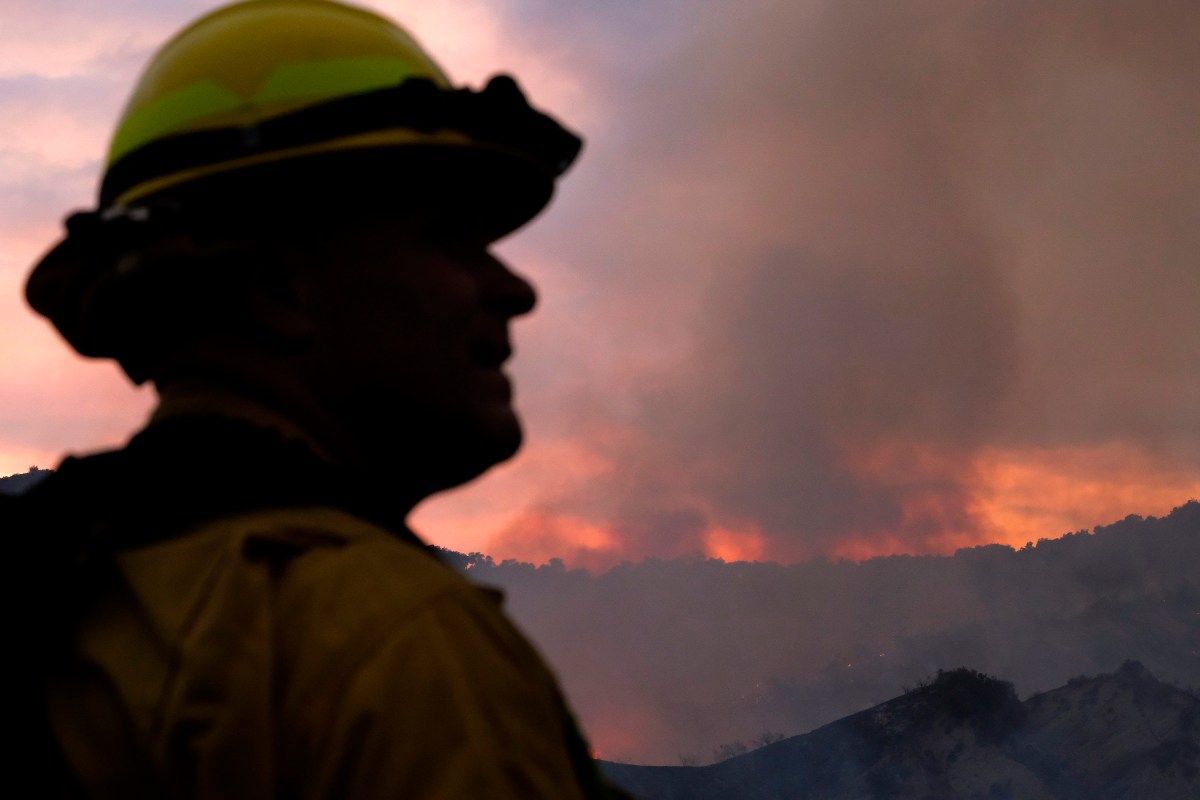
Alarming Findings: Firefighters’ Blood Tests Uncover Toxic Metal Contamination After LA Fires
In a startling revelation, recent blood tests conducted on firefighters who battled the devastating wildfires in Los Angeles have uncovered significant levels of toxic metals, specifically lead and mercury. This alarming finding raises grave concerns about the long-term health implications for these brave first responders, who routinely put their lives on the line to protect communities from the ravages of fire.
The Hidden Dangers of Firefighting
Firefighters are often hailed as heroes, lauded for their courage and dedication. However, the physical and psychological toll of their profession can be immense. While the immediate dangers—flames, smoke, and hazardous environments—are well-documented, the hidden dangers, such as toxic metal exposure, have only recently come to light. The blood test results reveal that these firefighters are potentially facing long-term health risks that could overshadow their heroic actions.
During the recent wildfire season, firefighters in Los Angeles were exposed to a complex mixture of pollutants, including heavy metals released from burning structures and vegetation. Firefighting can often lead to inhalation and absorption of these contaminants, resulting in alarming levels of toxic substances in their bloodstream.
What the Blood Tests Revealed
The blood tests conducted on a sample of firefighters revealed concerning concentrations of lead and mercury, both of which are known to have serious health effects. Lead exposure can lead to neurological issues, kidney damage, and developmental problems, particularly in children. Mercury, on the other hand, is linked to cognitive deficits, respiratory problems, and damage to the nervous system.
These findings are particularly distressing given that the majority of the firefighters surveyed had no prior knowledge of their elevated levels of these toxic metals. It prompts the question: How many more firefighters are unknowingly carrying these burdens in their bodies?
Understanding the Sources of Contamination
To fully grasp the implications of these findings, it is essential to understand where these toxic metals originate from during firefighting efforts. The sources can include:
- Burning Structures: Homes and buildings often contain materials like lead paint or mercury-containing appliances, which can release toxic particles when burned.
- Environmental Factors: Wildfires can ignite ground contaminants, including industrial waste and chemicals that can leach into the air and soil.
- Firefighting Equipment: Some older firefighting gear may contain hazardous materials that can degrade and release toxins during use.
These sources highlight the complex and multifaceted nature of exposure firefighters face during wildfires. The combination of various toxic elements can compound the health risks associated with their profession.
Long-Term Health Effects and Concerns
The long-term health implications of toxic metal exposure are significant and warrant serious consideration. Research has shown that firefighters experience higher rates of certain diseases, including cancers, respiratory issues, and cardiovascular problems. The recent findings regarding lead and mercury contamination add another layer of risk to an already vulnerable group.
For instance, studies have indicated that chronic exposure to lead can result in increased blood pressure, cardiovascular disease, and reproductive issues. Similarly, mercury exposure has been linked to neurodegenerative diseases and impaired cognitive function.
Addressing the Crisis: What Can Be Done?
As these alarming findings come to light, it is crucial for fire departments and health organizations to take proactive measures to protect firefighters. Here are some potential strategies to mitigate risks:
- Regular Health Screenings: Implementing routine health assessments can help monitor firefighters’ health and catch potential issues early.
- Enhanced Training: Providing specialized training on toxic exposure and best practices for decontamination can empower firefighters to protect themselves better.
- Improved Gear: Investing in advanced firefighting gear that minimizes exposure to hazardous materials is essential for protecting these first responders.
- Research and Advocacy: Continued research into the health effects of firefighting and advocacy for better health policies can help raise awareness and drive change.
The Importance of Support Systems
Beyond physical health, mental health support is equally vital for firefighters. The psychological burden of battling wildfires, combined with the stress of potential toxic exposure, can take a toll on their mental well-being. Establishing support systems, including counseling services and peer support groups, can provide firefighters with the necessary tools to cope with the demands of their profession.
A Call to Action
The findings from the blood tests serve as a wake-up call for fire departments, health organizations, and policymakers. As wildfires become more frequent and intense due to climate change, the risks faced by firefighters are escalating. It is imperative to prioritize their health and safety, ensuring that they are not only equipped to fight fires but also safeguarded from the hidden dangers that come with the job.
In conclusion, the alarming discovery of toxic metal contamination among Los Angeles firefighters shines a light on the urgent need for comprehensive health measures in the firefighting community. By addressing these risks head-on, we can ensure that our heroes are protected, allowing them to continue their vital work in keeping our communities safe.
As we reflect on these troubling findings, let us remember that the fight against wildfires is not just about extinguishing flames; it is also about safeguarding the health and lives of those who bravely face these infernos. Together, we can advocate for change and support the heroes who protect us, ensuring that they receive the care and protection they deserve.
See more WebMD Network


