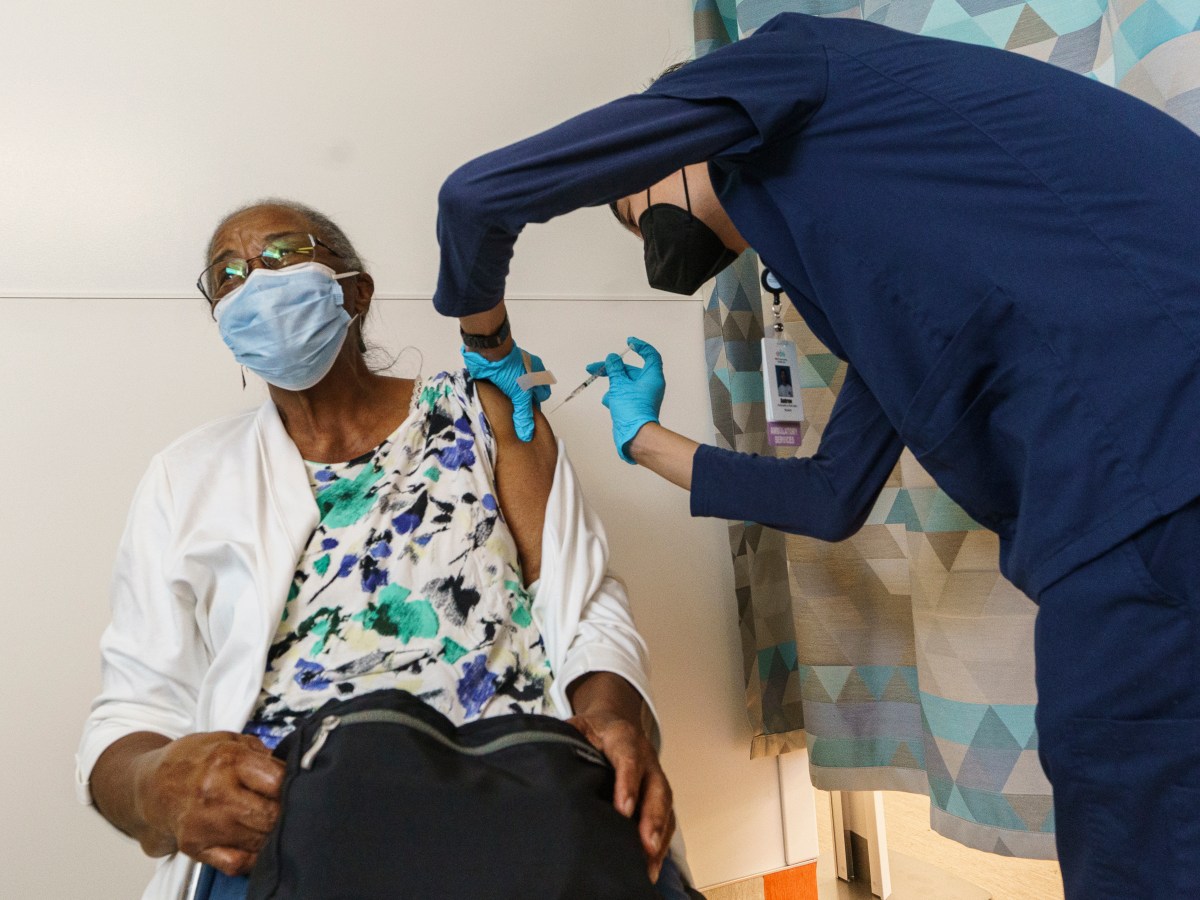
Federal Funding Cuts Force Closure of Multiple Orange Medical Clinics
At least five medical clinics in Orange, California, will close by the end of September due to sweeping federal funding reductions, leaving thousands of patients scrambling for alternatives. The cuts, part of a nationwide austerity measure, disproportionately affect low-income communities reliant on subsidized healthcare. Local officials warn the closures could exacerbate existing healthcare disparities and strain remaining facilities.
Immediate Impact on Patient Care
The shuttered clinics—operated by nonprofit Orange Community Health Network (OCHN)—served over 18,000 annual patients, 62% of whom were uninsured or Medicaid recipients. A 2023 UCLA Health Policy study shows similar clinics handle 40% of primary care visits for Orange County’s vulnerable populations. “This isn’t just about buildings closing—it’s about lives destabilized,” says Dr. Elena Ruiz, OCHN’s former medical director. “Chronic disease management, prenatal care, pediatric vaccinations—these services vanish overnight.”
Key consequences include:
- 3,200 diabetic patients losing access to glucose monitoring programs
- 1,500 children displaced from school-based health initiatives
- 12 community health workers facing layoffs
The Ripple Effect on Local Healthcare Systems
Nearby hospitals anticipate a 15-20% surge in emergency room visits, according to Orange Memorial Hospital’s projections. “When primary care evaporates, ERs become default clinics,” warns Chief Administrator Michael Tran. He notes that non-emergent ER visits cost 4-6 times more than preventive clinic care—a financial burden ultimately borne by taxpayers.
Federal Health Resources and Services Administration (HRSA) data reveals the broader context:
- California lost $148 million in Section 330 grants for federally qualified health centers
- Nationwide, 283 clinics faced reduced funding since January
- Orange County’s per capita healthcare funding ranks 41st among California counties
Voices from the Frontlines
Community reactions reflect deepening anxiety. Maria Gonzalez, a single mother of three, describes her predicament: “The clinic by my apartment treated my asthma and my kids’ ear infections. Now I’ll need three buses to reach the next nearest one.” Meanwhile, small business owner Raj Patel questions the economic logic: “Sick workers can’t be productive. These cuts will hurt local businesses too.”
However, some policymakers defend the reductions. Congresswoman Diane Hart (R-CA) argues, “Federal healthcare spending grew unsustainable at 5.4% annually. Prioritization is necessary.” Her office cites a Congressional Budget Office report identifying $2.1 billion in “redundant” clinic funding nationwide.
Grassroots Responses and Alternative Solutions
In response, coalitions like Save Orange Healthcare are organizing volunteer-staffed pop-up clinics and prescription delivery networks. “We’re banding together because we have to,” says organizer Luis Mendez. The group has raised $87,000 through GoFundMe but needs $500,000 to sustain services through 2024.
Possible stopgap measures under discussion include:
- County supervisors proposing a 0.5% sales tax increase for emergency healthcare funding
- Telehealth partnerships with UC Irvine Medical School
- Pharmaceutical companies donating medications through the 340B program
Long-Term Implications for Healthcare Equity
Public health experts warn of cascading effects. “Clinic closures correlate with increased late-stage cancer diagnoses and uncontrolled hypertension,” notes Dr. Alicia Wu of the California Health Care Foundation. Her research shows mortality rates rise 7-12% in communities losing federally funded clinics.
The crisis also highlights systemic vulnerabilities. With 28% of Orange County residents medically underserved—per 2022 Census data—the closures leave gaping holes in the safety net. “This is a wake-up call to diversify funding streams,” suggests healthcare economist David Chen. He advocates for public-private partnerships and mandatory state contingency funds.
What Comes Next?
Advocates plan a September 12 rally at Orange City Hall to demand state intervention. Meanwhile, patients can contact the Orange County Health Care Agency’s hotline (714-555-HELP) for transitional care information. As the dominoes continue to fall, one reality becomes clear: when clinics close, the entire community feels the pain.
Call to Action: Residents can voice concerns to legislators via the California Medical Association’s online advocacy portal. Early intervention saves lives—and healthcare systems.
See more WebMD Network


