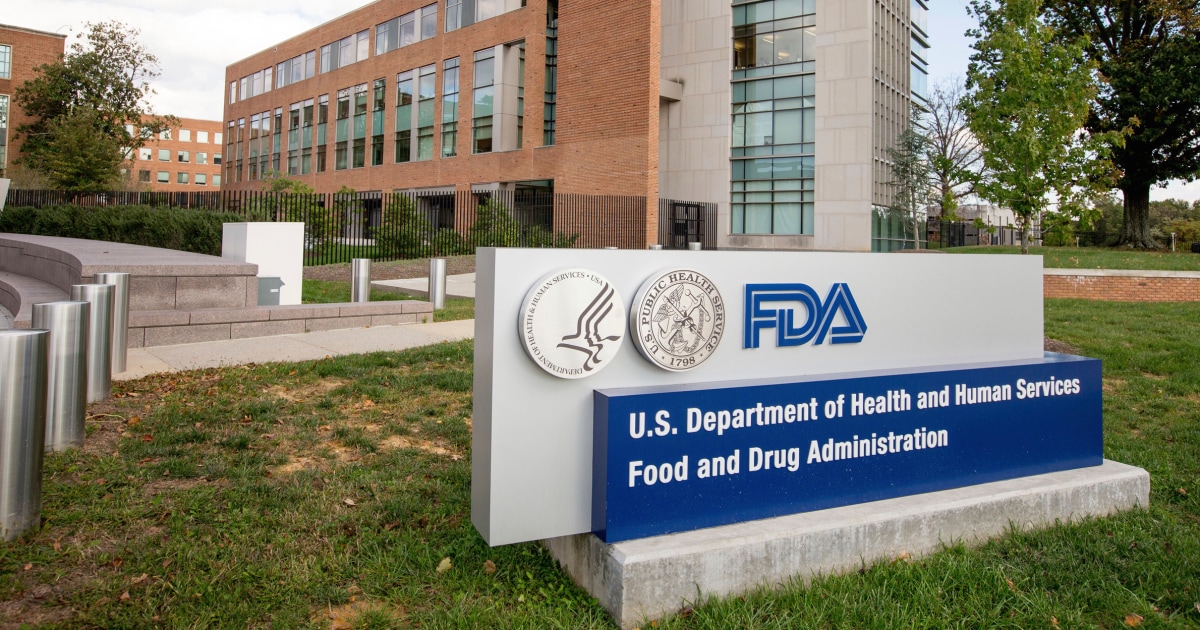
FDA Revamps Medical Devices Division: A Fresh Start After Layoffs
In a pivotal move aimed at rejuvenating its medical devices division, the FDA has recently announced the rehiring of key personnel following significant layoffs. This strategic decision not only underscores the agency’s commitment to enhancing regulatory oversight but also signals a renewed focus on fostering innovation within the medical device sector. With these changes, the FDA is poised to better navigate the complexities of modern healthcare technology.
The Context of Layoffs in the Medical Devices Division
The layoffs in the FDA’s medical devices division, which took place earlier this year, were largely attributed to budget constraints and a shift in organizational priorities. As the healthcare landscape evolves with rapid technological advancements, the FDA faced challenges in keeping pace with the influx of innovative medical devices seeking approval. This led to a backlog in reviews and a growing sense of urgency to streamline operations.
However, the impact of these layoffs was felt across the industry. Many stakeholders, including manufacturers, healthcare providers, and patients, expressed concerns over the potential delays in the approval process for life-saving devices. The uncertainty surrounding regulatory oversight prompted calls for a reassessment of the division’s structure and personnel.
The FDA’s Strategic Rehiring Initiative
In response to the challenges posed by the layoffs, the FDA has taken decisive action to revamp its medical devices division. The rehiring of key personnel is more than just a restoration of workforce numbers; it represents a fresh start and a commitment to improving the regulatory framework. The agency has focused on bringing back individuals with extensive experience and a track record of navigating the complexities of medical device regulation.
Among those rehired are experts in various fields, including regulatory science, clinical evaluation, and post-market surveillance. This diverse expertise is expected to enhance the division’s ability to evaluate new technologies effectively, ensuring that innovative devices can reach the market safely and efficiently.
Enhancing Regulatory Oversight
One of the primary objectives of the FDA’s revamp is to enhance regulatory oversight in the medical devices division. With the rehired personnel, the agency aims to:
- Improve Review Timelines: By increasing the workforce, the FDA can address the backlog of applications and reduce the time it takes to review and approve new medical devices. This is crucial for manufacturers eager to bring their innovations to market.
- Strengthen Risk Assessment: The experienced personnel will implement more rigorous risk assessment protocols, ensuring that all medical devices meet safety and efficacy standards before being approved for use.
- Enhance Post-Market Surveillance: With a focus on monitoring the performance of devices once they are on the market, the FDA plans to strengthen its post-market surveillance efforts, which is vital for identifying potential safety issues early.
Fostering Innovation in the Medical Device Sector
Innovation is at the heart of the medical device industry. As technology continues to advance, the need for regulatory frameworks that can adapt to new developments becomes increasingly important. The FDA’s revamp aims to create an environment that not only ensures safety but also fosters innovation. Key strategies include:
- Streamlined Approval Processes: The FDA is committed to simplifying and accelerating the approval processes for breakthrough devices. This includes the use of expedited pathways for devices that offer significant advantages over existing treatments.
- Collaboration with Industry Stakeholders: The agency is actively seeking input from manufacturers, healthcare providers, and patient advocacy groups to understand their needs and perspectives. This collaborative approach will help the FDA tailor its regulatory strategies to better support innovation.
- Investment in Technology: By leveraging data analytics and digital tools, the FDA aims to enhance its review processes and post-market surveillance capabilities. This will enable the agency to make more informed decisions and respond quickly to emerging trends in the medical device landscape.
Implications for Patients and Healthcare Providers
The revitalization of the FDA’s medical devices division carries significant implications for patients and healthcare providers. With improved regulatory oversight and a focus on innovation, patients can expect:
- Access to Advanced Treatments: Quicker approval processes will enable patients to access cutting-edge medical devices that can enhance their quality of life and treatment outcomes.
- Increased Safety Assurance: Enhanced risk assessment and post-market surveillance will provide greater assurance regarding the safety and efficacy of medical devices, reducing the likelihood of adverse events.
- Greater Trust in Regulatory Processes: As the FDA demonstrates its commitment to rigorous oversight, healthcare providers can have increased confidence in the medical devices they recommend to patients.
A Future of Collaboration and Innovation
The FDA’s decision to revamp its medical devices division through the rehiring of key personnel marks a significant turning point for the agency and the medical device industry as a whole. By focusing on enhancing regulatory oversight and fostering innovation, the FDA is not only addressing the immediate challenges posed by recent layoffs but is also positioning itself to meet the future demands of a rapidly evolving healthcare landscape.
As the agency embarks on this fresh start, it will be crucial to maintain open channels of communication with industry stakeholders, ensuring that the regulatory framework remains agile and responsive. This collaborative spirit will be essential in paving the way for breakthroughs that can transform patient care and improve health outcomes.
In conclusion, the FDA’s revitalization of its medical devices division is a promising development for the industry and patients alike. With a renewed focus on oversight and innovation, the FDA is set to play a crucial role in shaping the future of medical technology, ensuring that advancements not only reach the market but do so with the highest standards of safety and efficacy.
See more WebMD Network


