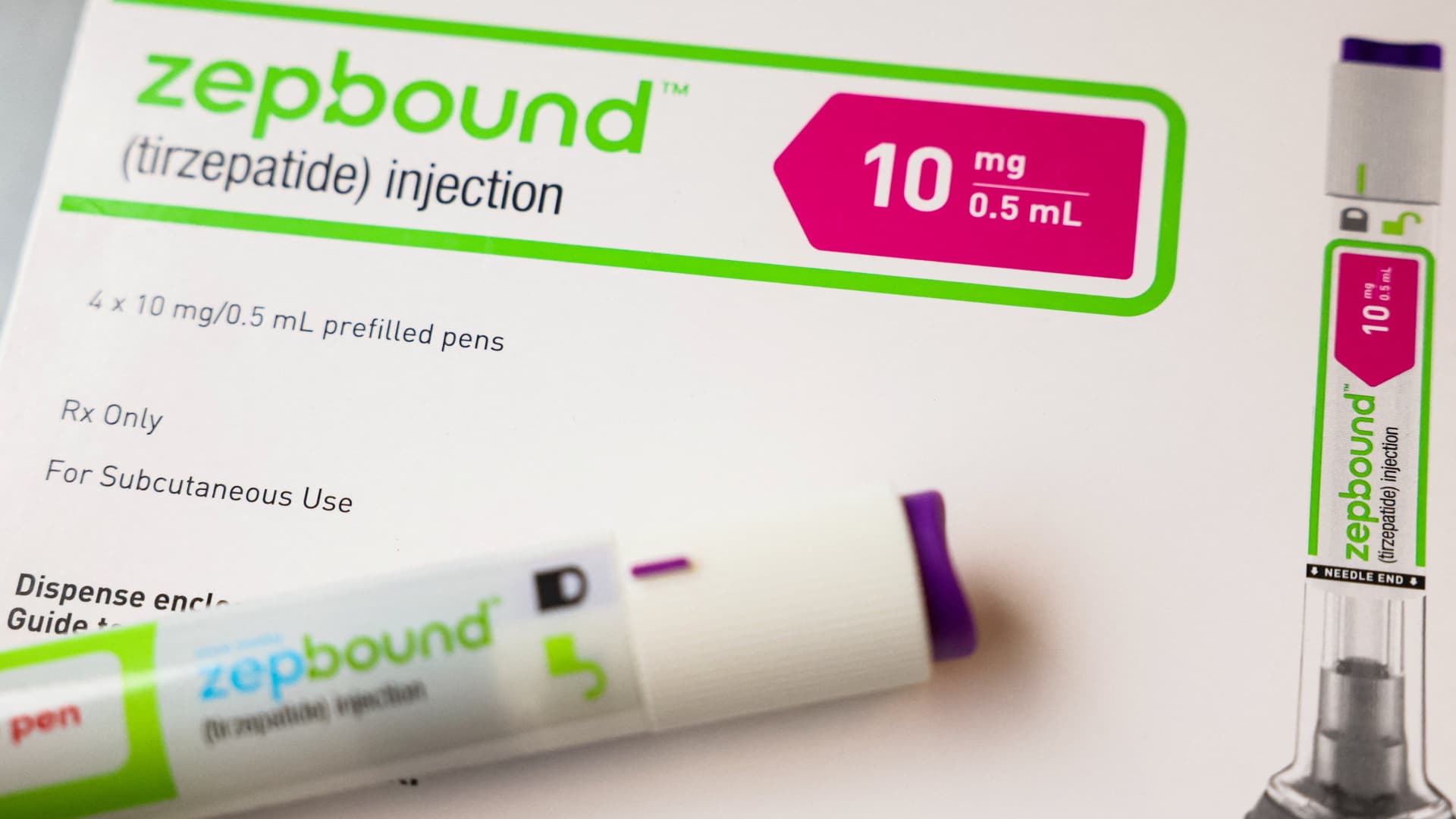
Eli Lilly’s Strategic Move: Offering Higher-Dose Zepbound Vials at Reduced Prices
In a notable shift aimed at improving patient access to essential medications, Eli Lilly has announced that it will be reducing the prices of higher-dose vials of its weight loss drug, Zepbound. This strategic move is not only a response to the surging demand for effective weight management solutions but also reflects a broader commitment to making healthcare more affordable for patients across the board. As the healthcare landscape evolves, Eli Lilly’s decision stands out as a proactive step towards addressing the growing concerns surrounding medication costs, particularly in the realm of obesity treatment.
Understanding Zepbound and Its Importance
Zepbound, a novel medication designed to facilitate weight loss, has garnered significant attention for its efficacy in helping individuals achieve their weight management goals. The drug operates through mechanisms that enhance metabolic processes and suppress appetite, making it an attractive option for those struggling with obesity. As obesity rates continue to rise globally, the demand for effective pharmacological interventions has reached unprecedented levels. Zepbound has emerged as a frontrunner in this arena, offering hope to millions seeking to improve their health through weight loss.
The Rationale Behind Price Reductions
One of the key reasons for Eli Lilly’s decision to reduce the prices of higher-dose Zepbound vials is the increasing pressure on pharmaceutical companies to enhance the affordability of their products. The rising costs of healthcare have become a significant concern for many patients, particularly those with chronic conditions like obesity. By lowering the costs associated with Zepbound, Eli Lilly aims to make this essential medication more accessible to a broader demographic, ensuring that more individuals can benefit from its therapeutic effects.
- Increased Demand: The growing awareness of obesity-related health risks has led to a surge in demand for effective weight loss medications.
- Access to Treatment: By lowering prices, Eli Lilly is aiming to enhance patient access, especially among those who may have previously been unable to afford treatment.
- Competitive Edge: This strategic pricing could also help Eli Lilly maintain a competitive advantage in the burgeoning market for weight management solutions.
Market Implications of Eli Lilly’s Decision
The decision to reduce the prices of higher-dose Zepbound vials could have far-reaching implications for the pharmaceutical and healthcare industries. It not only signals a potential shift in pricing strategies among major drug manufacturers but also highlights a growing trend towards patient-centered care. As more companies consider similar approaches, we might witness a transformation in how medications are priced and accessed.
Potential Effects on Patients
For patients, this decision could translate into significant savings and increased access to a medication that can dramatically improve their quality of life. Weight loss is not just a cosmetic concern; it is closely tied to numerous health outcomes, including diabetes management, cardiovascular health, and overall well-being.
- Improved Health Outcomes: Access to affordable weight loss medications can lead to better management of obesity-related conditions.
- Increased Adherence: Lower costs may encourage more patients to adhere to their treatment plans, enhancing overall effectiveness.
- Broader Reach: With reduced prices, a wider range of patients from various socioeconomic backgrounds may be able to benefit from Zepbound.
Broader Context: The Push for Affordable Medications
Eli Lilly’s decision to offer higher-dose Zepbound at reduced prices is part of a larger conversation about the affordability of medications. In recent years, there has been increasing scrutiny on pharmaceutical companies regarding pricing practices. Critics argue that high drug prices contribute to health disparities, leaving many patients unable to access necessary treatments.
In response to these concerns, numerous pharmaceutical companies are reevaluating their pricing strategies. Initiatives aimed at improving transparency and affordability are becoming more common, and Eli Lilly’s move is a testament to this trend. The company’s efforts could pave the way for a more competitive pricing environment, encouraging other manufacturers to follow suit.
Long-Term Implications for Eli Lilly
While the immediate benefits of this price reduction are clear, the long-term implications for Eli Lilly are worth considering. By positioning Zepbound as an affordable option for weight management, Eli Lilly can enhance its reputation as a patient-centric organization. This strategic move could foster greater brand loyalty and trust among consumers, particularly in an era when patients are increasingly seeking transparency and value in their healthcare choices.
Furthermore, the success of this initiative could provide valuable data and insights into patient behavior and preferences, informing future product developments and marketing strategies. As the company continues to innovate in the weight management space, understanding the impact of pricing on patient access and adherence will be crucial.
Looking Ahead: The Future of Weight Management Medications
The landscape of weight management medications is evolving rapidly, with new entrants and innovations emerging regularly. Eli Lilly’s decision to reduce prices for Zepbound comes at a time when many patients are seeking effective solutions for obesity and related health issues. The company’s proactive approach may not only improve accessibility to Zepbound but also encourage a broader discussion on the importance of affordable healthcare options.
As more individuals become aware of the benefits of weight management treatments, the demand for affordable options will likely increase. Eli Lilly’s strategic move positions the company well within this growing market, potentially leading to a significant impact on public health outcomes.
Conclusion
Eli Lilly’s decision to offer higher-dose Zepbound vials at reduced prices represents a significant step forward in making effective weight loss treatments more accessible to patients. By addressing the challenges of affordability in healthcare, Eli Lilly is not only responding to market demands but also demonstrating a commitment to improving patient outcomes. As the healthcare industry continues to evolve, initiatives like these could pave the way for a future where essential medications are within reach for everyone, ultimately leading to healthier populations and improved quality of life.
See more WebMD Network


