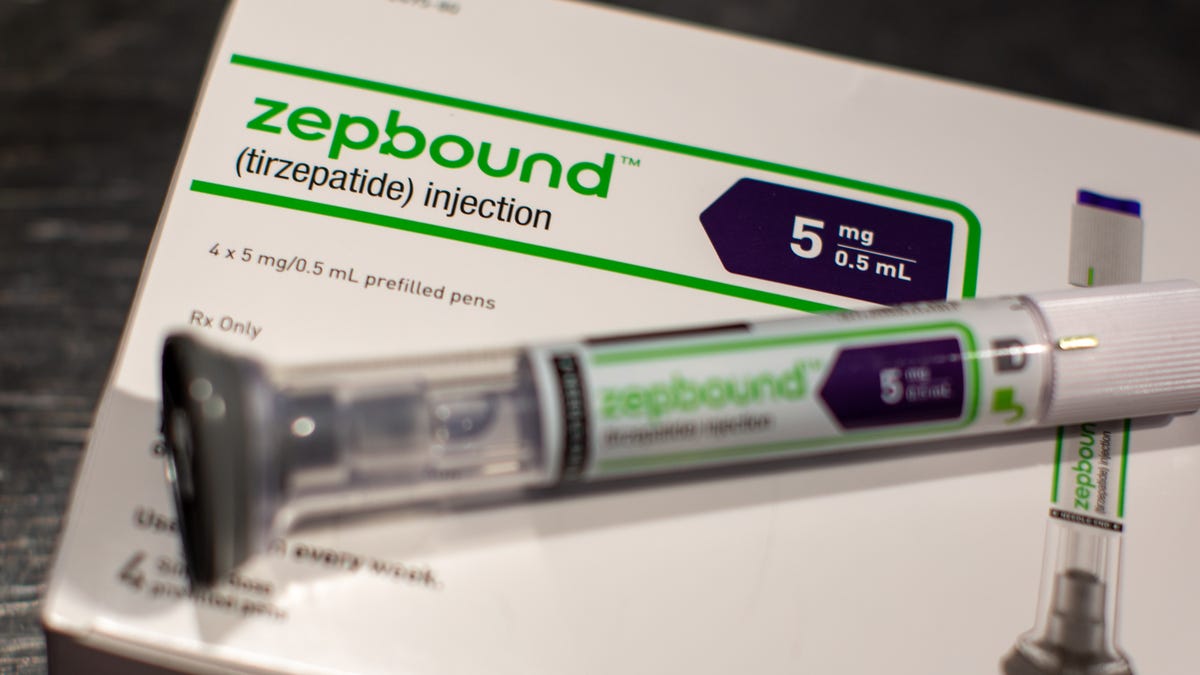
Eli Lilly’s Bold Move: Reducing Costs for Zepbound Doses
Eli Lilly, a powerhouse in the pharmaceutical industry, has recently made headlines by significantly reducing the costs associated with its groundbreaking medication, Zepbound. This strategic decision aims to enhance affordability and availability for patients in need, particularly those battling chronic conditions such as obesity and diabetes. In a world where healthcare costs continue to rise, Eli Lilly’s bold move is a beacon of hope for many, signaling a shift towards more accessible treatment options.
The Significance of Zepbound
Zepbound, known scientifically as tirzepatide, is a novel medication that has been making waves for its efficacy in managing blood sugar levels and promoting weight loss in patients with type 2 diabetes. Approved by the FDA in 2022, Zepbound has shown remarkable results in clinical trials, offering a dual mechanism of action that targets both glucagon-like peptide-1 (GLP-1) and glucose-dependent insulinotropic polypeptide (GIP) receptors. This innovative approach not only helps patients achieve better glycemic control but also aids in significant weight reduction, addressing two critical health challenges simultaneously.
Given the rising prevalence of obesity and type 2 diabetes globally, the introduction of Zepbound was a timely intervention. However, despite its potential, the high cost of new medications often poses a significant barrier to access for many patients. This is where Eli Lilly’s recent price reduction comes into play, aiming to alleviate some of those financial burdens.
Understanding the Price Reduction Strategy
Eli Lilly’s decision to reduce the price of Zepbound is a multifaceted approach designed to enhance patient access. The company has announced a reduction of over 40% in the average wholesale price of Zepbound doses, which will significantly lower out-of-pocket costs for patients. This bold move is not just a marketing strategy; it reflects a growing commitment within the pharmaceutical industry to prioritize patient welfare over profit margins.
- Increased Accessibility: By reducing the price, Eli Lilly is making Zepbound more accessible to a larger population. This is crucial in addressing health disparities, particularly among low-income individuals who may have struggled to afford such advanced treatment options.
- Insurance Coverage: The price reduction is expected to influence insurance companies positively, potentially leading to broader coverage options for Zepbound. As the cost comes down, insurers may be more willing to include it in their formularies, further enhancing accessibility.
- Patient Support Programs: Eli Lilly has also committed to expanding its patient assistance programs. These initiatives aim to provide financial support to those who are uninsured or underinsured, ensuring that everyone who needs Zepbound can obtain it.
The Broader Impact on Healthcare Costs
Eli Lilly’s price reduction for Zepbound could set a precedent for other pharmaceutical companies, encouraging them to adopt similar strategies for their medications. As healthcare costs continue to escalate, the industry faces mounting pressure to find ways to provide affordable options without compromising the quality of care.
Furthermore, this bold move aligns with a broader trend in healthcare where companies are increasingly held accountable for the prices of their drugs. Patients, advocacy groups, and lawmakers are demanding transparency and fairness in drug pricing. Eli Lilly’s actions could very well influence legislative discussions around drug pricing reforms, pushing for more sustainable models that prioritize patient health.
Patient Perspectives: Real-World Implications
The real impact of Eli Lilly’s price reduction can best be understood through the eyes of patients. For many, Zepbound represents a lifeline in managing their conditions. However, high costs have often forced patients to choose between essential medications and other life necessities. Here are some insights into how this change could affect patients:
- Improved Treatment Adherence: Lower prices can lead to improved adherence to prescribed treatments. When patients can afford their medications, they are more likely to follow their treatment plans, leading to better health outcomes.
- Reduced Financial Strain: The burden of high medication costs can lead to significant financial stress. By making Zepbound affordable, Eli Lilly is helping to alleviate this stress, allowing patients to focus on their health rather than their finances.
- Increased Quality of Life: With better access to effective treatment, patients may experience a marked improvement in their quality of life. Weight loss and better glycemic control can lead to increased energy, improved mental health, and enhanced overall well-being.
Challenges and Considerations Ahead
While Eli Lilly’s price reduction for Zepbound is undoubtedly a positive step, several challenges lie ahead. The pharmaceutical landscape is complex, and the effectiveness of this initiative will depend on various factors:
- Market Response: Competitors may respond with their pricing strategies or develop alternative treatments, impacting the overall landscape of diabetes and obesity medications.
- Long-Term Sustainability: It remains to be seen whether Eli Lilly can maintain this pricing structure in the long term while ensuring profitability. Stakeholders will be watching closely to see how this impacts the company’s financial health.
- Regulatory Environment: Future regulations on drug pricing could also influence how pharmaceutical companies price their products, including Zepbound.
The Future of Zepbound and Patient Care
Eli Lilly’s bold move in reducing costs for Zepbound doses not only reflects a commitment to patient care but also highlights a potential shift in the pharmaceutical industry’s approach to drug pricing. As the healthcare landscape continues to evolve, it is crucial for companies to prioritize patient access and affordability. Zepbound’s price reduction could serve as a template for future initiatives aimed at making healthcare more accessible and equitable.
In conclusion, Eli Lilly’s initiative to lower the costs of Zepbound is a promising development for patients grappling with the challenges of type 2 diabetes and obesity. By prioritizing affordability, Eli Lilly is not just enhancing access to a vital medication but is also paving the way for a more compassionate healthcare system. As we move forward, the ripple effects of this decision may inspire other companies to adopt similar practices, ultimately benefiting countless individuals who rely on these life-changing treatments.
See more WebMD Network


