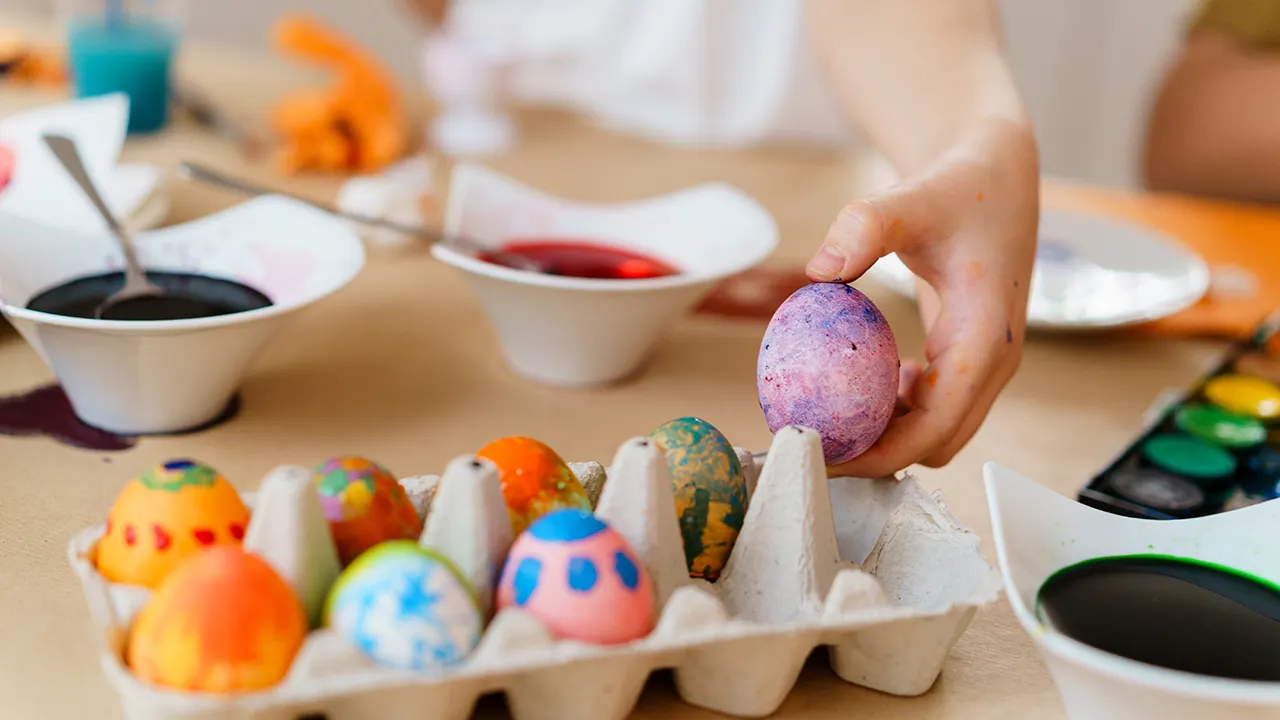
Assessing the Safety of Easter Egg Coloring Amid Bird Flu Outbreaks
As avian influenza (bird flu) outbreaks continue to affect poultry flocks across the U.S. and Europe, health-conscious families are questioning whether it’s safe to dye Easter eggs this spring. Experts weigh in on the risks, precautions, and science behind handling eggs during the holiday season—ensuring traditions remain both joyful and safe.
Understanding the Current Bird Flu Threat
Since early 2022, highly pathogenic avian influenza (HPAI) H5N1 has led to the culling of over 58 million poultry birds in the U.S. alone, according to the CDC. While human infections are rare, the spread has raised concerns about egg safety. However, health agencies emphasize that properly handled commercial eggs pose minimal risk.
“The virus primarily spreads among birds and isn’t typically transmitted through cooked or cleaned eggs,” explains Dr. Lena Whitmore, a food safety specialist at the University of Minnesota. “The real risk lies in direct contact with infected live poultry or raw egg products.”
Guidelines for Safe Easter Egg Decorating
To minimize any potential risks, follow these evidence-based practices when preparing Easter eggs:
- Use store-bought eggs: Commercially produced eggs undergo rigorous washing and sanitization, reducing surface contaminants.
- Avoid cracks: Discard eggs with damaged shells, as bacteria (or viruses) could penetrate the interior.
- Wash hands and surfaces: Scrub hands before and after handling eggs, and sanitize countertops with hot, soapy water.
- Boil eggs thoroughly: Cooking eggs to 160°F (71°C) kills most pathogens, including avian flu.
For added caution, the USDA recommends using food-grade dyes and avoiding natural dyes made with untreated materials like unwashed herbs or soil-grown vegetables.
Expert Perspectives on Risk Levels
While some virologists urge vigilance, others argue the risks are overstated. “The likelihood of contracting bird flu from dyed Easter eggs is vanishingly small,” says Dr. Raj Patel, an epidemiologist at Johns Hopkins University. “The greater risk is cross-contamination from raw eggs during preparation.”
Conversely, advocacy groups like Food Safety First suggest postponing egg decorating if local outbreaks are severe. “In areas with active H5N1 cases in poultry, consider alternatives like wooden or plastic eggs,” advises spokesperson Maria Gonzalez.
The Science Behind Egg Safety
Studies show that the avian influenza virus struggles to survive on hard, non-porous surfaces like eggshells for extended periods. A 2023 Journal of Food Protection study found that standard egg washing (mandatory in the U.S. and EU) removes 99.8% of surface pathogens, including enveloped viruses like H5N1.
Moreover, the virus is sensitive to heat. “Boiling eggs for 10–12 minutes provides a significant margin of safety,” notes Dr. Whitmore. “The internal temperature far exceeds what’s needed to deactivate the virus.”
Alternative Celebrations for High-Risk Groups
For immunocompromised individuals or those living near affected poultry farms, alternatives include:
- Using pasteurized liquid eggs for decorating (poured into hollowed shells)
- Opting for ceramic or papier-mâché eggs
- Focusing on non-egg activities like cookie decorating or spring crafts
Looking Ahead: Balancing Tradition and Caution
As health agencies monitor bird flu’s spread, most agree that Easter traditions need not be canceled—just approached mindfully. “This isn’t a call to abandon dyeing eggs,” says Dr. Patel. “It’s a reminder that basic food safety steps are always wise, especially during outbreaks.”
Families are encouraged to check CDC avian flu updates for regional advisories. With proper precautions, the joy of Easter egg hunts can continue safely for another year.
Have questions about holiday food safety? Consult your local health department or visit the USDA’s Easter egg safety guide for detailed tips.
See more WebMD Network


