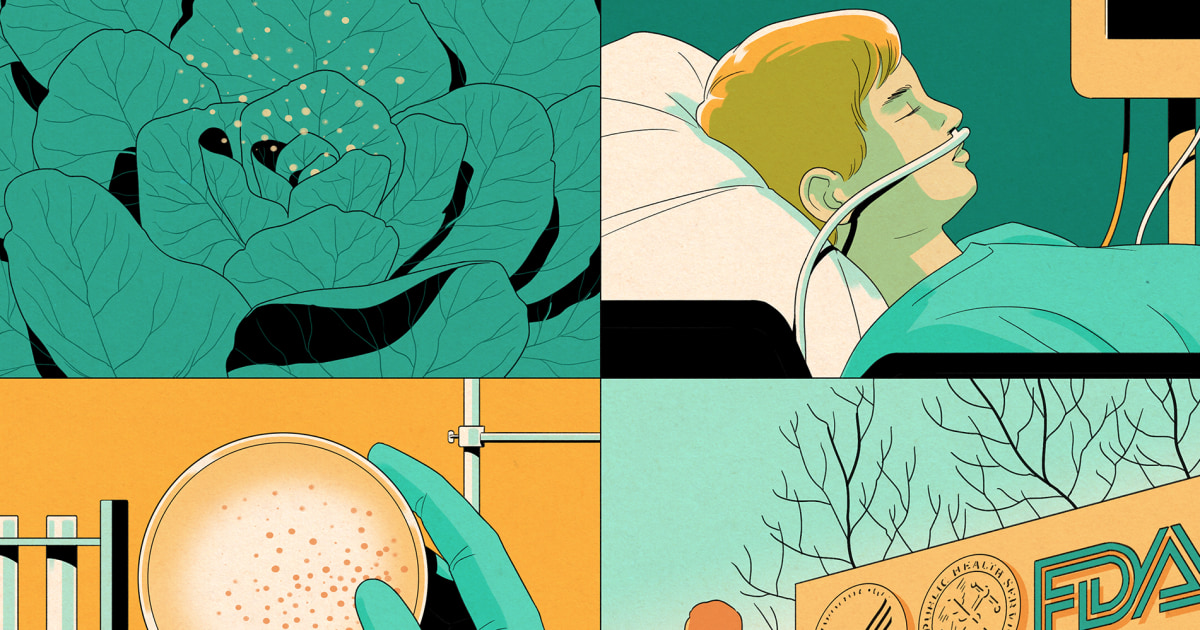
Unveiling the Silence: Why the FDA Stayed Mum on the E. Coli Outbreak
A multistate E. coli outbreak affecting 15 states has left public health experts questioning the FDA’s unusual silence. Since early October, over 50 confirmed cases have emerged, yet the agency has not issued public warnings or identified a specific food source. This lack of transparency raises concerns about public safety and government accountability during foodborne illness crises.
The Scope of the Outbreak and Public Health Concerns
According to CDC data, the current outbreak involves the particularly dangerous O157:H7 strain of E. coli, which can cause severe abdominal cramps, bloody diarrhea, and kidney failure. Hospitalization rates hover near 30%, significantly higher than typical foodborne illness outbreaks. States from California to New York have reported cases, with clusters suggesting a widely distributed contaminated product.
Dr. Alicia Thornton, a food safety specialist at Johns Hopkins University, notes: “When cases span this many jurisdictions, it typically indicates a nationally distributed food item. Every day without public notification means more consumers remain at risk.”
Key outbreak statistics:
- 57 confirmed cases across 15 states as of last reporting
- 17 hospitalizations, including 3 pediatric cases
- Onset dates ranging from September 28 to October 15
- No fatalities reported, but 2 cases of hemolytic uremic syndrome
Behind the FDA’s Calculated Silence
Multiple sources suggest the FDA’s silence stems from competing priorities:
- Evidence Threshold: Agency protocols require substantial proof before issuing alerts
- Supply Chain Concerns: Premature warnings could unnecessarily damage industries
- Resource Allocation: Current focus on simultaneous salmonella investigations
Former FDA compliance officer Mark Reynolds explains: “There’s always tension between acting quickly and acting accurately. The agency fears repeating past incidents where incorrect product identifications caused massive economic fallout.”
However, consumer advocacy groups argue this caution comes at a public health cost. The Center for Food Safety recently filed a Freedom of Information Act request demanding outbreak details, stating: “The public has a right to know what threats they may be bringing into their homes.”
Historical Precedents and Changing Expectations
The FDA’s approach contrasts sharply with its handling of previous outbreaks. During the 2018 romaine lettuce E. coli crisis, the agency issued daily updates, eventually tracing contamination to specific irrigation canals. Similarly, the 2021 onion salmonella outbreak prompted immediate nationwide recalls.
Food policy expert Dr. Hannah Weiss points to shifting norms: “After COVID, the public expects real-time transparency about health threats. When agencies withhold information, it breeds distrust that can linger for years.”
Recent survey data supports this:
- 72% of Americans believe food safety agencies should disclose outbreak information immediately
- 58% would change shopping habits if warned about potential contamination
- Only 34% trust federal agencies to prioritize public health over industry interests
The Ripple Effects of Delayed Disclosure
Epidemiologists warn that information delays create dangerous gaps in outbreak containment. The lag between initial cases and public awareness allows continued exposure, particularly with shelf-stable products. Local health departments often identify outbreaks days or weeks before federal announcements.
In Washington state, where 8 cases emerged, health officer Dr. Rachel Nguyen reports: “We’re essentially flying blind without knowing what to test for. Our food questionnaires cover hundreds of items, but FDA input could narrow the search dramatically.”
The economic impacts also compound over time. While early warnings might affect specific producers, prolonged uncertainty can depress entire market sectors. The leafy greens industry lost $350 million during the 2020 outbreak investigation period.
Paths Forward for Food Safety Communication
Several reforms could balance transparency with scientific rigor:
- Tiered Alert Systems: Differentiating between confirmed risks and potential concerns
- Regional Notifications: Targeting communications to affected areas first
- Retail Partnerships: Working with grocery chains to flag suspect products
Congress is currently reviewing the Food Safety Modernization Act amendments that would mandate stricter disclosure timelines. Meanwhile, some states are developing parallel monitoring systems to bypass federal delays.
As consumers await answers, food safety experts recommend:
- Thoroughly washing all produce, regardless of packaging claims
- Avoiding cross-contamination during food preparation
- Reporting suspected foodborne illnesses to local health departments
This outbreak serves as a stark reminder that in our interconnected food system, silence isn’t neutral—it’s a public health gamble with real consequences. The FDA’s next moves will either restore confidence or deepen concerns about its crisis response capabilities.
Stay informed about food recalls by subscribing to FDA email alerts or checking their outbreak investigation page weekly.
See more WebMD Network


