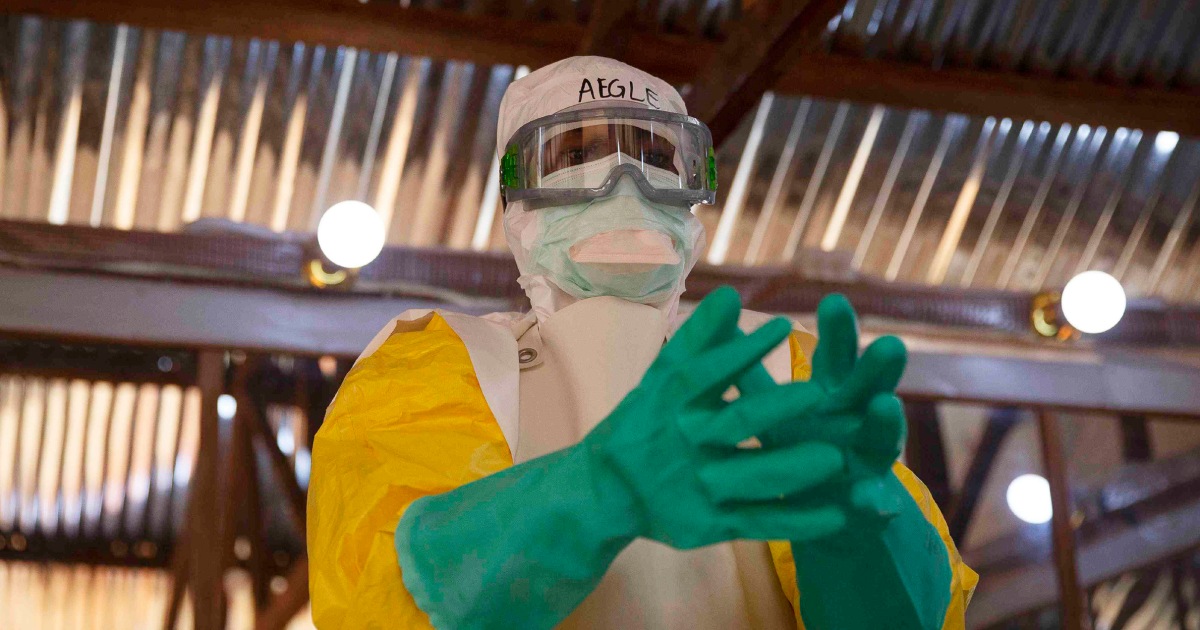
Unraveling the Mystery: 50 Lives Lost to Mysterious Illnesses in the DRC
The recent outbreak of mysterious illnesses in the Democratic Republic of Congo (DRC) has sent shockwaves throughout the nation and beyond. With 50 lives tragically claimed, health officials are racing against time to uncover the origins and nature of these unknown ailments. The urgency of the situation has prompted a multi-faceted investigation, raising questions about the intersection of environmental, social, and health factors in this complex region.
The Outbreak: A Timeline of Events
The alarming situation began to unfold in late September 2023, when reports from several provinces in the DRC indicated a sudden spike in unexplained illnesses. Victims presented with a variety of symptoms, including severe fever, fatigue, and gastrointestinal distress. Within weeks, the number of affected individuals soared, prompting health authorities to declare a public health emergency.
- September 2023: Initial cases reported in rural areas.
- October 2023: The national health agency issues alerts as fatalities increase.
- November 2023: International health organizations, including the WHO, join the investigation.
Identifying the Illness: Challenges and Efforts
Identifying the cause of these mysterious illnesses has proven to be a daunting task. The DRC, with its vast and diverse geography, presents unique challenges for health officials. The potential for zoonotic diseases—those transmitted from animals to humans—has become a focal point of investigation. Factors contributing to the difficulty include:
- Diverse Ecosystem: The DRC is home to a rich variety of wildlife, which may harbor unknown pathogens.
- Limited Resources: Rural healthcare facilities often lack the infrastructure necessary for extensive testing and diagnostics.
- Surveillance Gaps: Insufficient epidemiological data makes it hard to track the spread and origins of the illness.
Possible Causes: Theories Under Examination
As health officials delve deeper into the investigation, several theories regarding the potential causes of these mysterious illnesses have emerged:
- Environmental Factors: Deforestation and climate change may be influencing the emergence of new diseases.
- Food and Water Contamination: Poor sanitation and contaminated water sources could pose significant health risks.
- Viral Outbreaks: Similarities to known viral infections, such as Ebola or Marburg, have raised concerns.
While these theories are under investigation, they underscore the importance of comprehensive public health strategies that address both immediate needs and long-term prevention.
The Role of the Community: Awareness and Response
In the face of this health crisis, community engagement is crucial. Local leaders and health workers are mobilizing to educate the public about prevention measures. Initiatives include:
- Information Campaigns: Disseminating knowledge about symptoms and when to seek medical help.
- Sanitation Drives: Encouraging proper hygiene practices to reduce contamination risks.
- Vaccination Programs: If a viral cause is confirmed, rapid vaccination campaigns could be implemented.
Community resilience is vital in overcoming the fear and uncertainty that often accompany health crises. By fostering open communication and trust, health officials can better engage with the populations most affected.
International Aid and Collaboration
The global health community is closely monitoring the situation in the DRC. Organizations like the World Health Organization (WHO) and Médecins Sans Frontières (Doctors Without Borders) are offering support in various capacities:
- Technical Assistance: Providing expertise in outbreak investigation and management.
- Resource Allocation: Supplying medical equipment, testing kits, and personnel to assist local health services.
- Research Collaboration: Partnering with local universities and research institutions to better understand the outbreak.
This collaborative approach aims to bolster the DRC’s health system, ensuring a more robust response not only to the current outbreak but also to future health challenges.
Preventing Future Outbreaks: A Holistic Approach
To prevent future outbreaks of mysterious illnesses, a holistic approach is essential. This encompasses:
- Strengthening Health Infrastructure: Investing in healthcare facilities and workforce training in rural areas.
- Enhancing Surveillance Systems: Implementing better tracking of diseases and health trends across the country.
- Sustainable Development Practices: Promoting environmental conservation to reduce the risk of zoonotic diseases.
By addressing the underlying social determinants of health, the DRC can create a more resilient healthcare system capable of effectively responding to future crises.
A Call to Action
The loss of 50 lives to mysterious illnesses in the DRC is a stark reminder of the vulnerabilities faced by communities in the region. As health officials continue their investigation, it is imperative for the global community to remain vigilant and supportive. Collective action, informed by compassion and scientific rigor, can pave the way for solutions that prioritize health and well-being.
In conclusion, the situation in the Democratic Republic of Congo serves as a critical case study in public health responsiveness. While the mystery behind these illnesses remains unsolved, the determination of local and international health officials to unravel the truth is a beacon of hope. As they work tirelessly to protect lives and prevent further outbreaks, we are reminded of the interconnectedness of our global health landscape.
See more WebMD Network


