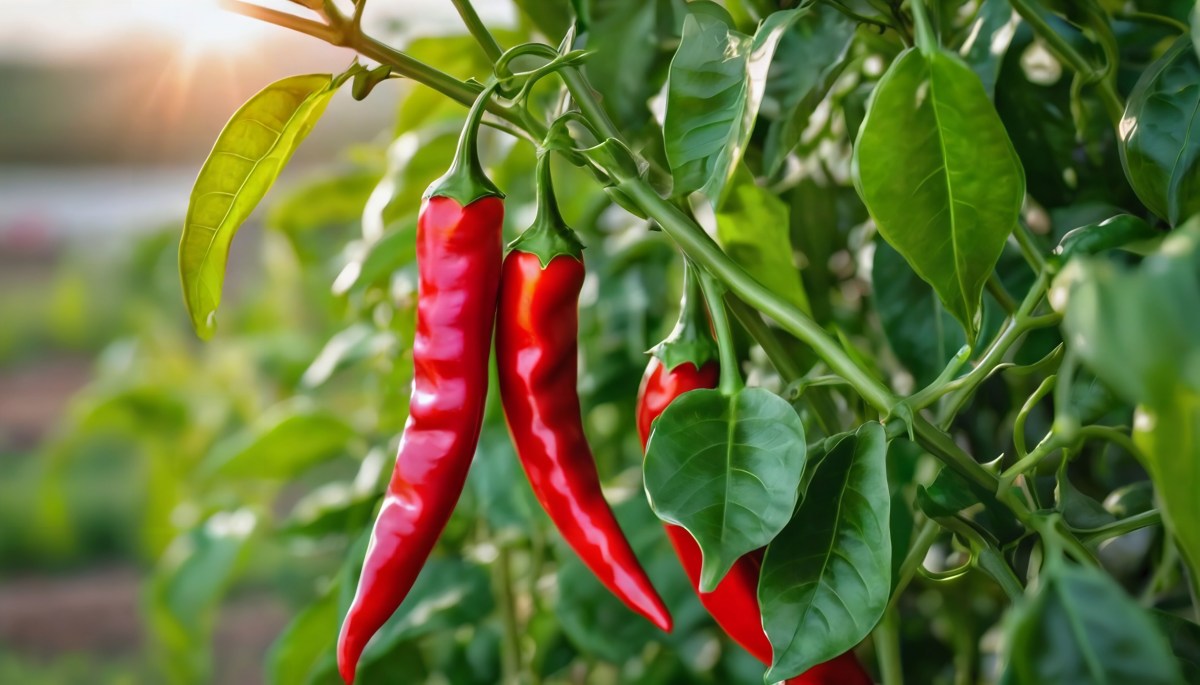
Unraveling the Chili Connection: How Peppers May Influence Gut-Brain Health
In recent years, the connection between our gut health and brain function has gained considerable attention in the scientific community. A fascinating area of research is exploring how specific dietary components, particularly chili peppers, might influence this gut-brain axis. This article aims to unravel the chili connection and provide insights into how these fiery fruits may play a role in enhancing mental well-being through their effects on gut health.
The Gut-Brain Axis: A Brief Overview
The gut-brain axis refers to the bidirectional communication network linking the gastrointestinal tract and the brain. This complex system involves various pathways, including the nervous system, the immune system, and hormonal signaling. The notion that what we eat can affect our mental health is not new, but recent research is beginning to quantify this relationship, shedding light on how specific foods can influence our mood, cognition, and overall brain health.
Chili Peppers: A Nutritional Powerhouse
Chili peppers are renowned not only for their heat but also for their impressive nutritional profile. They are rich in vitamins A, C, and E, as well as antioxidants that help combat oxidative stress in the body. However, the compound that garners the most attention is capsaicin, the active ingredient responsible for the spicy kick of peppers.
Research suggests that capsaicin may have several health benefits, which could extend beyond the gut. These include:
- Anti-inflammatory Properties: Capsaicin is known for its ability to reduce inflammation, which is a contributing factor to many chronic diseases.
- Metabolism Boost: Some studies indicate that capsaicin can enhance metabolic rates, aiding in weight management.
- Antioxidant Effects: The antioxidants in chili peppers may help protect brain cells from damage and improve cognitive function.
The Chili Connection: Gut Health and Mental Well-Being
So, how exactly do chili peppers fit into the conversation about gut-brain health? Emerging research reveals several potential mechanisms through which chili consumption may influence mental well-being.
1. Modulation of Gut Microbiota
One of the primary ways chili peppers may affect gut health is through their impact on gut microbiota—the trillions of bacteria residing in our intestines. A diverse microbiome is essential for optimal digestion, but it also plays a significant role in mental health.
Studies suggest that capsaicin can promote the growth of beneficial bacteria while inhibiting harmful strains. This shift in microbiota composition can lead to improved gut health, which, in turn, may enhance mood and cognitive function. For instance, a balanced gut microbiome has been linked to reduced symptoms of anxiety and depression.
2. Reduction of Stress and Anxiety
Another intriguing aspect of the chili connection is its potential to reduce stress and anxiety. Capsaicin may trigger the release of endorphins, the body’s natural painkillers, which can lead to an improved mood. Additionally, the sensation of heat from chili consumption may produce a mild stress response that, paradoxically, can train the body to handle stress better over time.
3. Neuroprotective Effects
Capsaicin’s antioxidant properties may also protect brain cells from damage. Chronic inflammation and oxidative stress are known contributors to neurodegenerative diseases such as Alzheimer’s and Parkinson’s. By reducing inflammation and oxidative damage, chili peppers might play a role in preserving cognitive function and preventing age-related decline.
Incorporating Chili Peppers into Your Diet
For those looking to harness the potential benefits of chili peppers for gut-brain health, it’s essential to incorporate them into a balanced diet. Here are some practical tips:
- Start Slow: If you’re new to spicy foods, begin with mild varieties like bell peppers or banana peppers and gradually increase the heat level.
- Add to Dishes: Incorporate chili peppers into soups, stews, stir-fries, or salsas. They can add flavor and spice without excessive calories.
- Try Hot Sauces: Many hot sauces are made from chili peppers and can be a delicious way to enhance meals. Just be mindful of added ingredients.
- Experiment with Dried Peppers: Dried chili flakes or powders can be sprinkled over pizzas, pastas, or salads for an extra kick.
Potential Risks and Considerations
While chili peppers can offer numerous health benefits, they may not be suitable for everyone. Some individuals may experience gastrointestinal discomfort, heartburn, or irritability after consuming spicy foods. It’s essential to listen to your body and adjust your intake accordingly.
Moreover, those with certain medical conditions, such as irritable bowel syndrome (IBS) or gastroesophageal reflux disease (GERD), should consult a healthcare professional before making significant dietary changes involving chili peppers.
The Future of Research on Chili Peppers and Brain Health
The ongoing research into the chili connection is promising and could reshape our understanding of dietary impacts on mental well-being. As scientists continue to investigate the intricate relationships between diet, gut microbiota, and brain health, we may uncover even more ways that chili peppers can contribute to our overall health.
In conclusion, the intricate relationship between chili peppers, gut health, and mental well-being is a burgeoning field of study with exciting implications. As we unravel the chili connection, it becomes increasingly clear that our dietary choices, particularly with foods like chili peppers, can profoundly influence our mental health and cognitive function. By embracing this fiery fruit, we may not only spice up our meals but potentially enhance our mood and overall mental wellness.
See more WebMD Network


