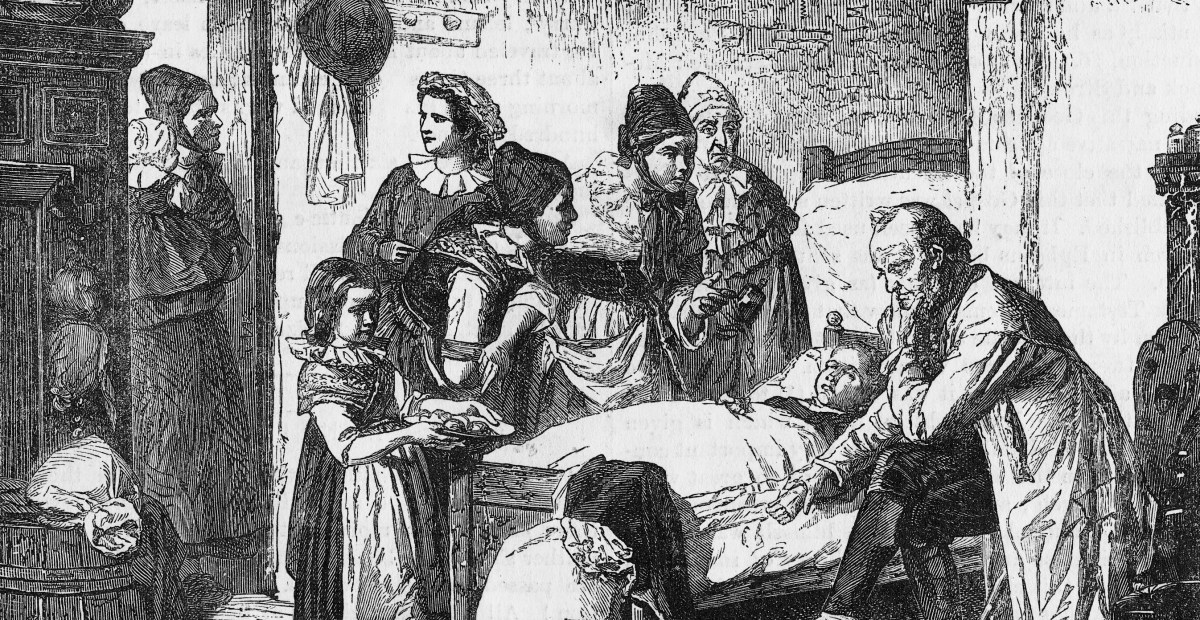
Revisiting a Vaccine-Free Childhood: A Glimpse into the Past
The concept of a vaccine-free childhood evokes a sense of nostalgia for many, yet it also brings forth a myriad of health challenges that families faced in a time before the advent of vaccinations. Understanding the realities of childhood in this era provides us with an invaluable perspective on the profound impact vaccinations have had on modern life. This article explores the complexities of a vaccine-free childhood, highlighting the health risks, societal norms, and lessons that we can learn today.
The Health Challenges of a Vaccine-Free Era
Before the widespread implementation of vaccines, children were at a much higher risk of contracting diseases that are now largely preventable. Common illnesses included:
- Measles: A highly contagious viral infection that could lead to severe complications, including pneumonia and encephalitis.
- Polio: This viral disease could cause paralysis and long-term disability, leaving many children with lifelong challenges.
- Whooping Cough: This bacterial infection led to severe coughing fits that could be life-threatening, especially in infants.
- Scarlet Fever: Caused by streptococcal bacteria, this illness could lead to serious complications such as rheumatic fever.
Without the protective barrier that vaccines provide, families had to navigate these health risks with caution and care. Many parents relied on traditional remedies and the wisdom of previous generations to combat these diseases, often with mixed results.
Family Dynamics and Coping Mechanisms
In a vaccine-free childhood, the dynamics within families were heavily influenced by the health challenges they faced. Parents often had to make difficult decisions regarding their children’s health and education. The fear of illness loomed large, shaping everyday life in profound ways. Here are some coping mechanisms families employed:
- Isolation: During outbreaks of contagious diseases, families often isolated sick children from the rest of the household to prevent the spread of illness.
- Home Remedies: Many families turned to herbal remedies and homeopathic treatments, passed down through generations, as a primary means of care.
- Community Support: Neighbors often banded together, sharing resources and knowledge, which fostered a strong sense of community.
While these strategies reflected resilience and adaptability, they also underscored the vulnerability of children who were unvaccinated. The emotional toll on families was significant, as the specter of illness could disrupt not only health but also daily routines and long-term aspirations.
The Role of Societal Norms
Societal norms in a vaccine-free world were starkly different from today’s expectations. The acceptance of childhood illnesses was commonplace, and many parents believed that contracting certain diseases was an inevitable part of growing up. This led to a cultural mindset where:
- Natural Immunity: Many believed that surviving diseases like chickenpox or measles would strengthen a child’s immune system.
- Community Immunity: There was a reliance on herd immunity, where the majority of the population had to be infected or had survived the illness to protect those who were vulnerable.
This mindset, while rooted in the experiences of previous generations, often contrasted sharply with the scientific understanding of immunology that we have today. The cultural acceptance of risk was a double-edged sword, fostering resilience but also exposing children to preventable harm.
The Introduction of Vaccinations: A Turning Point
The introduction of vaccines in the mid-20th century marked a significant turning point in public health. Vaccination campaigns not only reduced the incidence of infectious diseases but also transformed societal norms regarding health and safety. Parents began to view vaccinations as crucial to their children’s well-being, leading to:
- Increased Trust in Science: Vaccines became a symbol of scientific progress, fostering a growing trust in medical advancements.
- Changing Family Dynamics: Parents could send their children to school and socialize with less fear of infectious outbreaks.
- Global Health Improvements: Vaccination efforts led to the near-eradication of diseases like smallpox and significant reductions in polio cases worldwide.
These changes not only saved countless lives but also allowed families to thrive without the constant threat of illness hanging over them.
Lessons Learned: The Importance of Vaccination Today
Revisiting a vaccine-free childhood provides essential insights into the importance of vaccinations in contemporary society. As we navigate the complexities of health in the modern world, several lessons stand out:
- Community Health Matters: Vaccination is not just an individual choice; it contributes to the health of the community as a whole.
- Trust in Science is Crucial: Public health is built on trust in scientific evidence and the expertise of healthcare professionals.
- Education is Key: Understanding the science behind vaccinations helps dispel myths and encourages informed decision-making among parents.
In light of recent global events, such as the COVID-19 pandemic, the lessons of history become even more relevant. The collective effort to immunize against diseases highlights the importance of unity in protecting public health.
A Hopeful Future
As we reflect on the realities of a vaccine-free childhood, we can appreciate the strides made in public health. Vaccinations have not only protected millions of children from debilitating diseases but have also reshaped societal norms surrounding health and safety. Looking ahead, it’s crucial to continue advocating for vaccinations while respecting individual choices and addressing concerns with empathy and understanding.
In conclusion, revisiting a vaccine-free childhood serves as a reminder of the challenges faced by families in the past and the transformative power of vaccinations. Our understanding of health continues to evolve, and with it, our commitment to safeguarding the well-being of future generations remains paramount. With knowledge, compassion, and cooperation, we can build a healthier and more resilient society for all.
See more WebMD Network


