Unraveling the Mystery: What Triggers Breakthrough Measles Infections?
Breakthrough measles infections—cases occurring in vaccinated individuals—are rising globally, sparking concerns among public health experts. Despite high vaccination rates, outbreaks in the U.S., Europe, and Asia reveal gaps in immunity. Researchers point to waning vaccine efficacy, viral evolution, and uneven immunization coverage as key culprits. This article examines the science behind these infections and their implications for disease control.
The Science Behind Breakthrough Infections
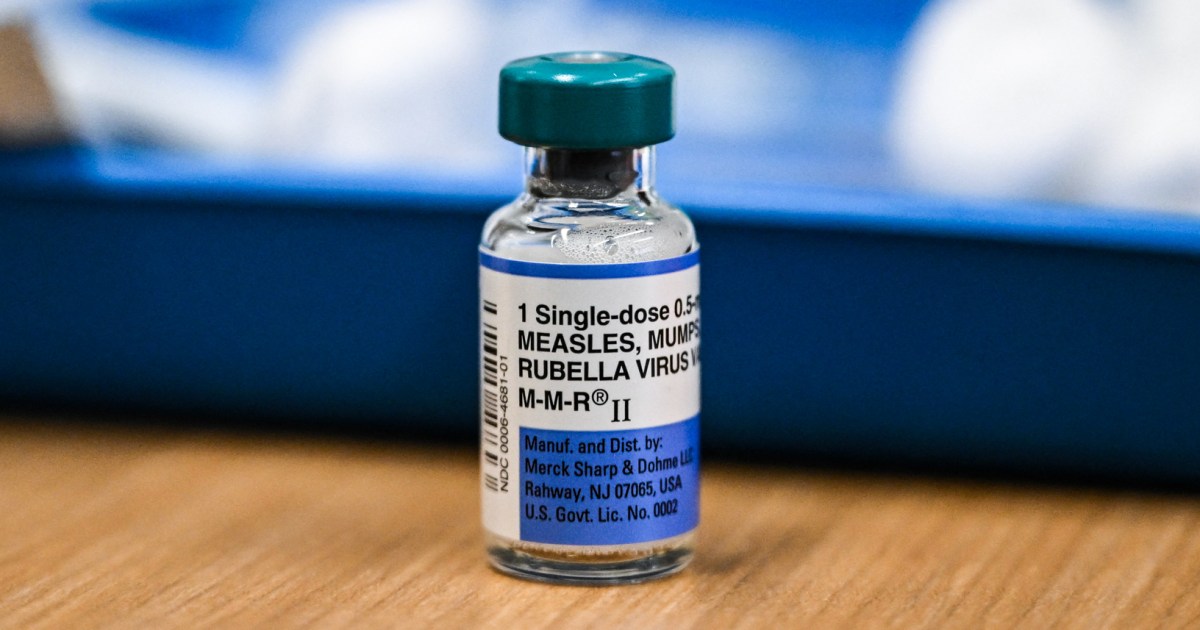
Measles, one of the most contagious human diseases, was declared eliminated in the U.S. in 2000 thanks to widespread measles-mumps-rubella (MMR) vaccination. Yet, recent outbreaks suggest the virus is slipping through cracks in immunity. Studies indicate two primary factors:
- Waning immunity: The MMR vaccine, while 93-97% effective after two doses, may lose potency over decades. A 2019 study in The BMJ found that vaccine-derived protection declines by about 3% yearly after the second dose.
- Viral adaptation: Though rare, measles strains with genetic mutations could theoretically evade vaccine-induced immunity. Researchers are monitoring this possibility closely.
Dr. Elena Petrov, an infectious disease specialist at Johns Hopkins University, notes, “Breakthrough cases don’t mean vaccines fail. They remind us that immunity isn’t bulletproof—especially when exposure is high due to community spread.”
Global Outbreaks Highlight Vulnerabilities
In 2023, the U.S. reported over 120 measles cases, nearly double the 2022 tally. Similarly, the U.K. logged 1,603 suspected infections in 2023—a 24-year high. Breakthrough cases accounted for roughly 20% of these incidents, per the CDC.
Hotspots often emerge in under-vaccinated communities, where the virus finds fertile ground. For example, an Ohio outbreak in 2022 infected 85 children, including 14 who had received one MMR dose. “When vaccination rates dip below 95%, herd immunity crumbles,” warns Dr. Rajiv Mehta, a WHO advisor. “Even vaccinated people face higher risks in these settings.”
Public Health Strategies to Curb the Threat
Health agencies are adopting multi-pronged approaches to address breakthrough infections:
- Booster research: Trials are underway to test whether additional MMR doses enhance long-term immunity in adults.
- Outbreak analytics: Tools like genomic sequencing help track transmission chains and identify vaccine-evading variants.
- Community engagement: Targeted campaigns combat vaccine hesitancy, particularly in high-risk areas.
What Breakthrough Cases Mean for the Future
While most breakthrough infections cause milder symptoms, they can still spread the virus. This complicates eradication efforts and underscores the need for vigilance. Experts urge:
- Routine antibody testing for high-risk groups (e.g., healthcare workers).
- Updated vaccine guidelines as new data emerges.
- Global cooperation to close immunization gaps.
As measles resurges worldwide, understanding breakthrough infections becomes critical. Staying informed and supporting vaccination efforts remain our best defenses. Check your immunization records and consult your doctor if you’re unsure about your measles immunity status.
See more WebMD Network


