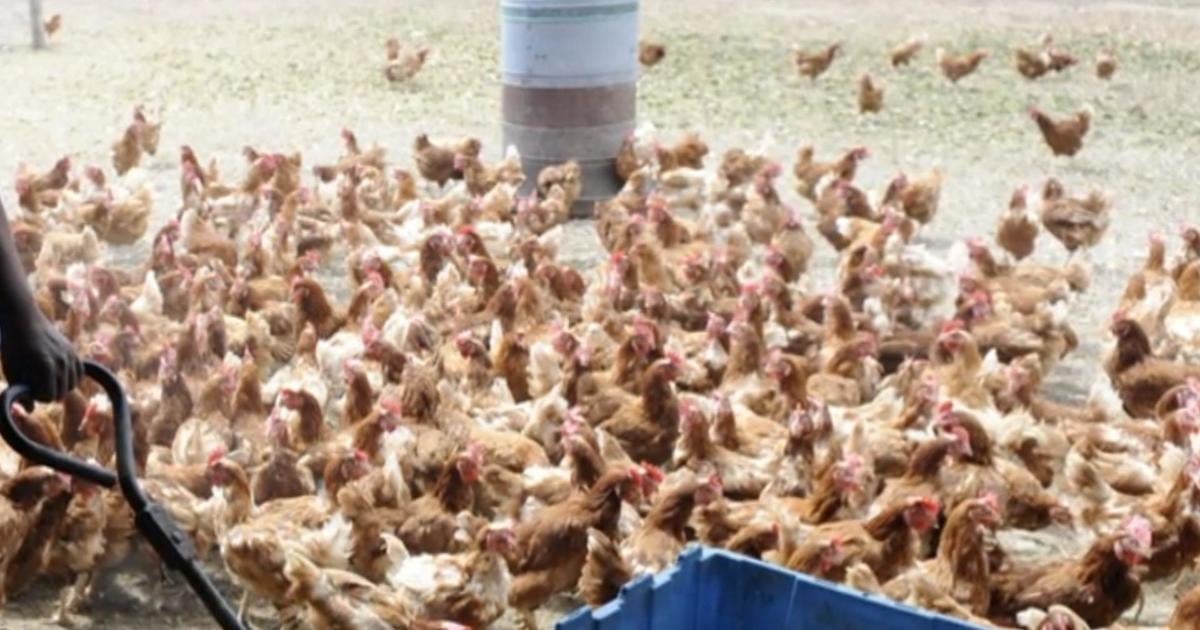
Alarming Surge: Bird Flu Cases Spike in New York
New York is currently grappling with a rising health crisis as reports confirm at least seven cases of bird flu across the state. This alarming surge has sparked concerns among health officials, wildlife experts, and the general public regarding the potential implications for both wildlife and public health. As the state mobilizes to address this issue, understanding the nature of bird flu, its transmission, and the necessary precautions is crucial for mitigating risks.
Understanding Bird Flu: What You Need to Know
Bird flu, scientifically known as avian influenza, is a viral infection that primarily affects birds but can infect humans and other animals in rare instances. There are several strains of the virus, some of which can be highly pathogenic. The H5N1 and H7N9 strains are particularly notorious for their ability to infect humans, raising alarms during outbreaks.
Transmission often occurs through direct contact with infected birds or contaminated surfaces. Wild birds, particularly waterfowl, are the natural hosts of bird flu viruses. However, domestic poultry can become infected, leading to significant outbreaks that can devastate the poultry industry and pose serious health risks.
The Current Situation in New York
The recent spike in bird flu cases in New York has been attributed to the spread of the H5N1 strain, which has been detected in several areas across the state. The New York State Department of Health (NYSDOH) has confirmed these cases, urging the public to remain vigilant and report any unusual bird behavior or sudden deaths among bird populations.
According to reports, the affected areas include both urban and rural settings, highlighting the widespread nature of this outbreak. The NYSDOH has initiated extensive surveillance to monitor both wild and domestic bird populations, aiming to control the spread of the virus.
Potential Implications for Wildlife
The implications of the bird flu outbreak extend beyond just human health. Wildlife populations, particularly birds, face significant risks. The following points outline some potential consequences:
- Population Declines: High-pathogenic strains of bird flu can lead to severe mortality rates in affected bird species, potentially resulting in population declines.
- Disruption of Ecosystems: As bird populations decline, the balance within ecosystems can be disrupted, affecting other species that rely on birds for food or other ecological roles.
- Increased Monitoring: Wildlife agencies may increase monitoring efforts, diverting resources from other conservation projects to manage the outbreak.
Public Health Concerns
While the risk of transmission from birds to humans remains low, the recent cases in New York raise valid public health concerns. Experts are investigating the potential for zoonotic transmission (where a disease transfers from animals to humans) and advising precautionary measures. Here are some key aspects to consider:
- Symptoms in Humans: If infected, humans may experience flu-like symptoms, including fever, cough, sore throat, and muscle aches. Severe cases can lead to pneumonia and other complications.
- Precautionary Measures: The NYSDOH recommends avoiding contact with sick birds and reporting any unusual bird deaths. Washing hands thoroughly and practicing good hygiene after handling birds are also advised.
- Vaccination: Currently, there is no specific vaccine for bird flu in humans, but seasonal flu vaccines may offer some cross-protection against certain strains. Ongoing research aims to develop effective vaccines for high-risk populations.
What Can Be Done?
Addressing the spike in bird flu cases in New York requires a coordinated response from public health officials, wildlife agencies, and the community. Here are some proactive measures that can be taken:
- Enhanced Surveillance: Increasing surveillance of bird populations can help detect outbreaks early and mitigate their spread.
- Public Awareness Campaigns: Informing the public about the risks associated with bird flu and the importance of reporting symptoms can help manage the situation effectively.
- Collaboration with Wildlife Experts: Engaging wildlife biologists and veterinarians can provide valuable insights into preventing the spread of the virus in bird populations.
- Research Funding: Allocating funds for research on avian influenza can aid in understanding its behavior and developing effective countermeasures.
Looking Ahead: Optimism Amidst Challenges
While the surge in bird flu cases in New York is indeed alarming, it’s important to remain optimistic. Public health officials are well-equipped to handle outbreaks, and the lessons learned from previous experiences with avian influenza can guide current efforts. Furthermore, collaboration between various stakeholders—from government agencies to community members—can play a pivotal role in successfully managing this health crisis.
As we navigate these challenges, fostering a culture of vigilance and preparedness will be essential. By staying informed and proactive, New Yorkers can help protect both their communities and the wildlife that shares their environment.
Conclusion
The alarming surge of bird flu cases in New York serves as a stark reminder of the interconnectedness of animal health, human health, and environmental factors. By understanding the nature of this virus, recognizing its implications, and taking informed actions, we can work together to mitigate risks and safeguard our health and that of our wildlife. As New York faces this challenge, the collective efforts of citizens, health officials, and wildlife experts will be crucial in overcoming this crisis.
See more WebMD Network


