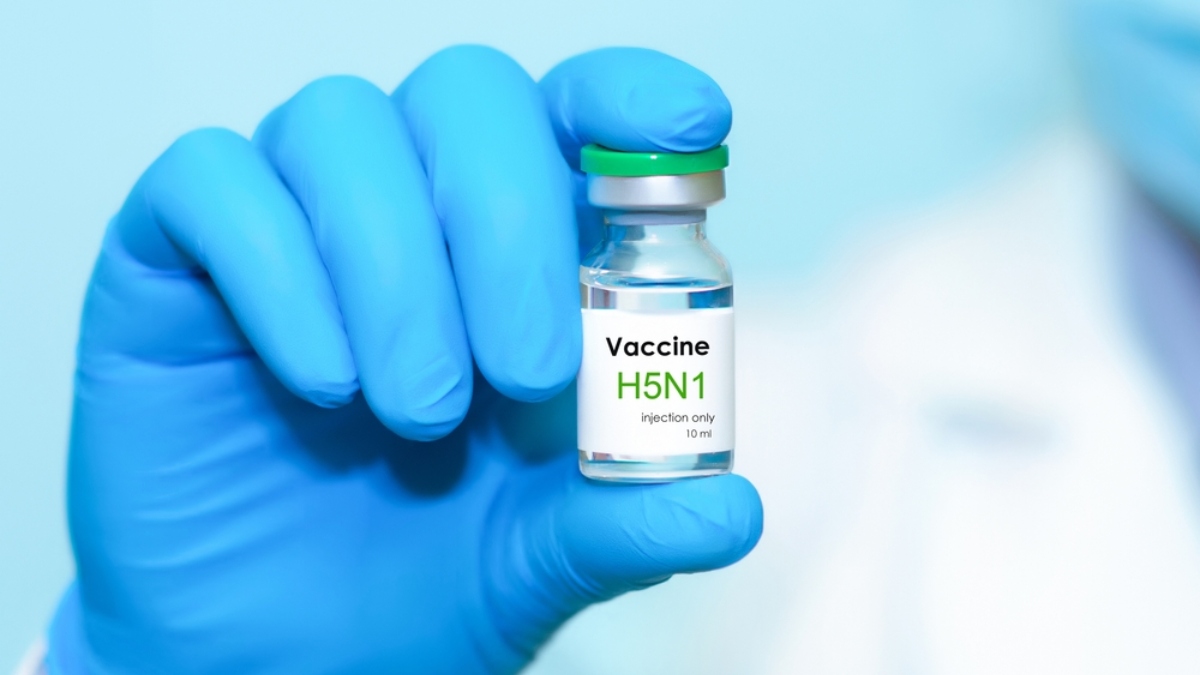
Avian Flu Vaccine Breakthrough: Conditional Approval by Agriculture Department Sparks Hope
In a significant development for the poultry industry, a leading biotechnology company has announced that it has received conditional approval from the Department of Agriculture for a new avian flu vaccine. This breakthrough raises hopes for enhanced poultry health and industry stability, providing a timely response to the ongoing challenges posed by avian influenza. With this vaccine, the fight against avian flu may take a pivotal turn, offering protection to avian populations and ensuring the sustainability of poultry farming.
Understanding Avian Influenza: A Persistent Threat
Avian influenza, commonly referred to as bird flu, is a viral infection that primarily affects birds but can also have serious implications for humans and other animals. The disease is caused by various strains of influenza A viruses, with some strains leading to high mortality rates in poultry. The most notorious strain, H5N1, has been a major concern for both animal health and public safety.
The impact of avian influenza on the poultry industry is profound, often resulting in massive culling of infected flocks to prevent the spread of the virus. The economic repercussions are staggering, affecting not just farmers but also the entire supply chain, including feed suppliers, processors, and retailers. In recent years, outbreaks of avian flu have led to significant losses in poultry production, driving up prices and leading to food shortages in some regions.
The Conditional Approval: A Glimpse of Hope
The conditional approval of the avian flu vaccine by the Department of Agriculture marks a hopeful turning point in the battle against this persistent threat. The approval indicates that the vaccine has met preliminary safety and efficacy standards, allowing the company to begin limited use in the field while further studies are conducted to confirm its long-term effectiveness.
This fast-tracked approval process is crucial, as it reflects the urgency of addressing the ongoing outbreaks of avian influenza. The conditional status allows the vaccine to be deployed while additional data is gathered, ensuring that farmers can start protecting their flocks as soon as possible.
How the Avian Flu Vaccine Works
The newly developed avian flu vaccine works by stimulating the immune response in birds, helping them to recognize and combat the virus if they are exposed. By introducing inactivated virus particles, the vaccine trains the birds’ immune systems to produce antibodies that will defend against future infections.
Key features of this vaccine include:
- Broad-spectrum protection: The vaccine is designed to target multiple strains of the avian influenza virus, increasing its effectiveness across different outbreaks.
- Rapid immune response: Vaccinated birds can develop immunity quickly, significantly reducing the risk of virus transmission within flocks.
- Safety profile: Extensive testing has demonstrated that the vaccine is safe for birds, with minimal side effects reported.
Implications for the Poultry Industry
The availability of an effective avian flu vaccine holds several important implications for the poultry industry:
- Enhanced flock health: Vaccination can significantly reduce the incidence of avian influenza, leading to healthier flocks and improved productivity.
- Economic stability: By preventing outbreaks, the vaccine could help stabilize poultry prices and protect farmers’ livelihoods.
- Consumer confidence: With a reliable vaccine in place, consumers may feel more confident in the safety of poultry products, potentially increasing demand.
Challenges Ahead: Monitoring and Distribution
While the conditional approval of the avian flu vaccine is a promising step forward, challenges remain in its implementation. Effective monitoring and distribution will be critical to ensure that the vaccine reaches the farms that need it most. The following factors will need to be addressed:
- Distribution logistics: Ensuring that the vaccine is available to poultry farms across diverse geographic locations will require coordinated efforts between governmental agencies and private companies.
- Education and training: Farmers will need guidance on vaccination protocols and best practices to maximize the vaccine’s effectiveness.
- Surveillance measures: Ongoing monitoring of avian populations will be necessary to assess the vaccine’s impact and catch any potential outbreaks early.
Long-term Outlook: A Comprehensive Approach
While the introduction of the avian flu vaccine is an essential tool in combating the virus, it should be part of a broader, integrated approach to poultry health management. This includes:
- Biosecurity measures: Enhancing biosecurity protocols on farms can significantly reduce the risk of avian influenza outbreaks.
- Research and Development: Continued investment in research to understand avian influenza better will help in developing more effective vaccines and treatments.
- Global cooperation: International collaboration is crucial in monitoring and controlling avian influenza, as viruses can easily cross borders.
Conclusion: A New Era for Poultry Health
The conditional approval of the avian flu vaccine signifies a breakthrough that could reshape the landscape of poultry health and industry resilience. As the vaccine becomes available, it presents an opportunity not only to protect bird populations but also to stabilize an industry that plays a crucial role in global food security.
While challenges remain, the optimism surrounding this vaccine is palpable. By combining vaccination efforts with robust biosecurity practices and ongoing research, the poultry industry can take significant strides towards mitigating the threat of avian influenza. This is not just a win for farmers; it’s a win for consumers, economies, and public health worldwide.
See more WebMD Network


