Mysterious Avian Flu Outbreak Claims Lives of Dozens of Birds on Long Island Beach
A recent and alarming avian flu outbreak has made headlines as it claimed the lives of dozens of birds on a popular Long Island beach. This shocking discovery has raised concerns among wildlife experts and health officials alike, prompting a thorough investigation into the cause and potential implications of the outbreak. The incident not only highlights the fragility of avian populations but also raises critical questions about public health and environmental management.
Understanding Avian Flu: A Brief Overview
Avian influenza, commonly known as bird flu, is caused by influenza viruses that primarily affect birds. While many strains of this virus are low pathogenic and cause mild illness in birds, certain strains can be highly pathogenic, resulting in severe disease and mortality. The H5N1 and H7N9 strains are among the most notorious, having caused extensive outbreaks in various regions worldwide.
Birds, particularly waterfowl, are natural reservoirs for these influenza viruses. They can carry the virus without showing symptoms, which makes monitoring and controlling the spread of avian flu challenging. When these viruses spill over into domestic poultry or other wildlife, the consequences can be devastating, leading to significant ecological and economic impacts.
The Long Island Outbreak: What Happened?
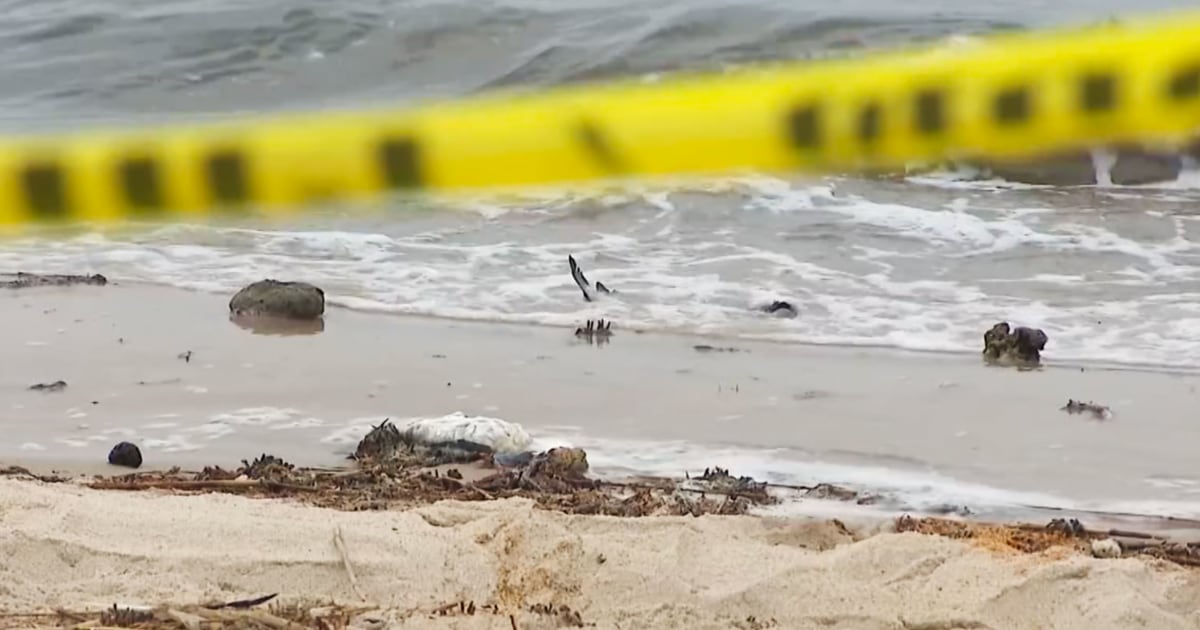
On a quiet stretch of Long Island beach, local residents and wildlife enthusiasts stumbled upon a grim sight: dozens of dead birds scattered along the shoreline. Initial reports indicated that these birds exhibited signs consistent with avian flu, prompting immediate action from local wildlife authorities. Samples were collected for testing, and the findings confirmed the presence of a highly pathogenic strain of avian influenza.
This outbreak isn’t just a localized issue; it raises fears of a larger pattern of avian flu spreading across the region. Experts are particularly concerned about the implications for both wildlife and the public. Waterfowl migrations, which often coincide with seasonal changes, could facilitate the virus’s spread to other areas, increasing the risk of outbreaks in domestic poultry and even potential transmission to humans.
Potential Causes and Contributing Factors
While the exact cause of the outbreak on Long Island is still under investigation, several factors may contribute to the increase in avian flu cases:
- Migration Patterns: Seasonal migrations of birds can introduce new strains of the virus into different ecosystems, making monitoring essential.
- Environmental Conditions: Changes in weather patterns and habitat disturbances can stress bird populations and make them more susceptible to infection.
- Human Interaction: Encroachment on natural habitats and the close proximity of domestic poultry to wild birds can facilitate the virus’s transmission.
Implications for Wildlife and Public Health
The implications of this avian flu outbreak extend beyond the immediate impact on bird populations. Wildlife experts warn that high mortality rates among birds can disrupt local ecosystems, affecting species that rely on these birds for food or ecological balance.
From a public health perspective, while avian flu viruses are primarily bird-borne, there is always a risk of zoonotic transmission—meaning the virus could potentially infect humans. Past outbreaks have seen limited human cases, often linked to close contact with infected birds. However, the emergence of new strains raises concerns about the potential for human infections, especially among individuals with occupational exposure, such as poultry workers.
What Measures Are Being Taken?
In response to the outbreak, local and state wildlife agencies have implemented several measures:
- Monitoring and Surveillance: Increased surveillance of bird populations is underway to track the spread of the virus and identify affected areas.
- Public Awareness Campaigns: Authorities are educating the public on how to avoid contact with sick or dead birds and the importance of reporting unusual bird deaths.
- Quarantine Measures: Infected areas may be quarantined to prevent further spread, especially in regions where domestic poultry is present.
How Can Communities Help?
Community involvement is crucial in managing avian flu outbreaks. Here are some ways individuals can contribute:
- Reporting Suspicious Activity: If residents encounter dead or sick birds, they should report these findings to local wildlife authorities immediately.
- Minimize Contact: Avoid contact with wild birds, especially in areas where outbreaks have been reported.
- Stay Informed: Keeping up with local news and public health announcements can help residents stay aware of potential risks and guidelines.
Looking Towards the Future
The mysterious avian flu outbreak on Long Island serves as a reminder of the interconnectedness of wildlife, human health, and environmental stewardship. As experts continue to investigate the outbreak and its causes, it is essential for communities to remain vigilant and proactive in protecting both public health and local ecosystems.
While the situation is concerning, there is hope in the form of advanced research, improved surveillance techniques, and greater awareness among the public. By fostering a collaborative approach between wildlife agencies, public health officials, and local communities, we can mitigate the impacts of such outbreaks and work towards a more resilient ecosystem.
As we reflect on this tragic event, let it inspire collective action towards safeguarding our wildlife and ensuring that we remain informed and prepared for future challenges. In the face of adversity, our commitment to understanding and addressing such issues will ultimately enhance the health of our planet and its inhabitants.
See more WebMD Network


