Alarming Surge: CDC Reports Autism Rates Now Affect 1 in 31 Children
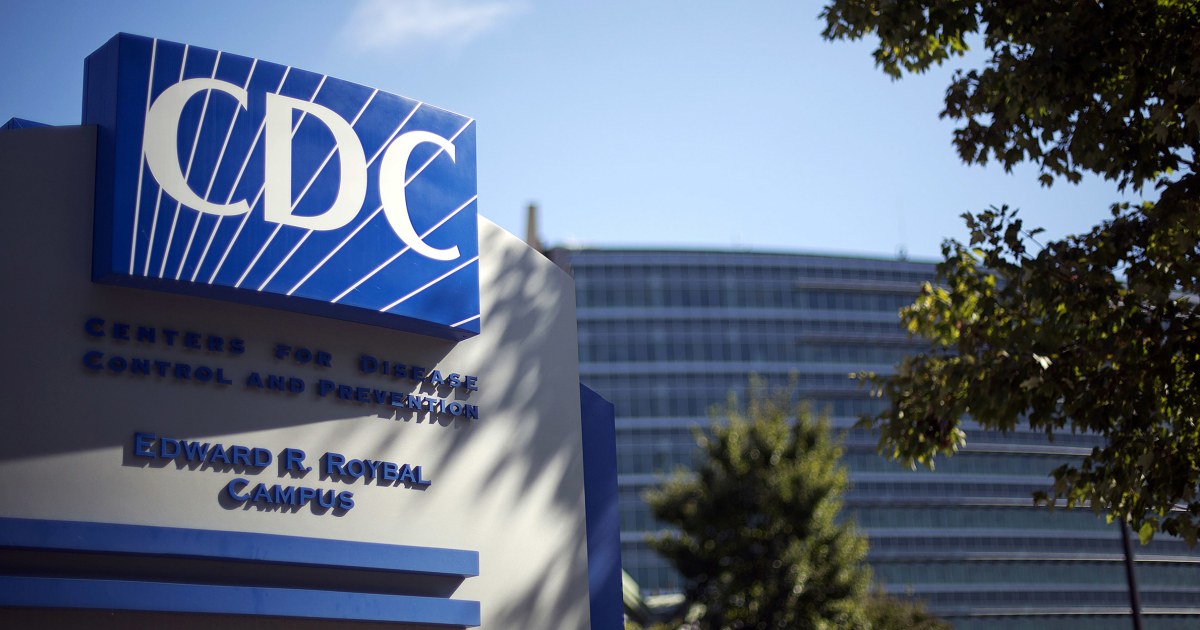
The Centers for Disease Control and Prevention (CDC) has unveiled a startling rise in autism spectrum disorder (ASD) prevalence, with new data showing 1 in 31 school-aged children now carries a diagnosis—a significant jump from previous estimates. Released this month, the report underscores urgent questions about environmental, genetic, and diagnostic factors driving the trend, while families and healthcare systems brace for escalating demands.
Understanding the Latest Autism Statistics
The CDC’s findings, drawn from 2023 surveillance across 11 states, reveal autism rates have climbed nearly 25% since 2020, when the estimate stood at 1 in 44 children. Researchers attribute part of the increase to improved screening and broader diagnostic criteria, but emphasize that these factors alone don’t explain the steep upward trajectory. Key data points include:
- Gender disparity: Boys are 4 times more likely to be diagnosed than girls (1 in 22 vs. 1 in 88)
- Early intervention: Median age of diagnosis remains 4.5 years, despite guidelines recommending screening by age 2
- Regional variations: Prevalence ranges from 1 in 26 in New Jersey to 1 in 38 in Missouri
Potential Causes Behind the Rising Autism Rates
Experts are divided on whether the surge reflects a true increase in cases or heightened awareness. Dr. Sarah Kim, a developmental pediatrician at Johns Hopkins, notes, “While better detection plays a role, we can’t ignore possible environmental contributors like prenatal exposures or epigenetic changes.” Ongoing research explores:
- Genetic factors: Over 100 genes have been linked to ASD, but most cases involve complex interactions
- Environmental triggers: Air pollution, maternal health, and advanced parental age are under scrutiny
- Diagnostic shifts: The DSM-5’s 2013 consolidation of autism subtypes may have expanded eligibility
Impacts on Families and Healthcare Systems
For parents like Maria Gonzalez, whose 7-year-old son was diagnosed last year, the journey is fraught with challenges. “Waitlists for therapies are months long, and insurance barely covers half the costs,” she says. The CDC report highlights systemic strains:
- Therapy shortages: Demand for ABA (applied behavior analysis) therapists outstrips supply by 35% in urban areas
- Educational burdens: Schools report a 40% rise in IEP (Individualized Education Program) requests since 2018
- Economic toll: Lifetime care for a child with autism averages $1.4–$2.4 million, per Harvard School of Public Health
Debates Over Screening and Support Strategies
Public health officials advocate for universal early screening, but some experts warn against overdiagnosis. Dr. Alan Ritter, a neurologist, cautions, “Labeling children without tailored support risks pathologizing normal behavioral variations.” Meanwhile, advocacy groups push for:
- Policy reforms: Medicaid expansion for autism services in 22 states lacking coverage
- Workforce training: Incentives for specialists in underserved rural regions
- Neurodiversity acceptance: Workplace and education programs embracing ASD strengths
Future Outlook and Calls to Action
With autism rates projected to rise further, the CDC urges immediate investment in research and infrastructure. Priorities include refining genetic studies, addressing disparities in minority communities (where diagnoses lag by 30%), and leveraging AI to speed up evaluations. Families are advised to:
- Seek developmental screenings during well-child visits
- Document behavioral patterns to aid diagnosis
- Connect with local ASD advocacy networks for resources
As the nation grapples with this public health milestone, one truth becomes clear: autism is no longer a rare condition, but a widespread reality demanding systemic change. For policymakers and caregivers alike, the time to act is now.
Learn how to support autism research and access services at AutismSpeaks.org.
See more WebMD Network


