A Pivotal Alzheimer’s Initiative Faces Uncertain Future: What’s at Stake?
The fate of one of the nation’s most ambitious Alzheimer’s research initiatives hangs in the balance as funding shortfalls and logistical hurdles threaten to derail progress. With over 6 million Americans living with the disease, experts warn that delays could stall groundbreaking treatments and leave families in limbo. The project, once hailed as a beacon of hope, now confronts a critical crossroads.
The Initiative’s Origins and Promises
Launched in 2018 with bipartisan support, the initiative aimed to accelerate Alzheimer’s research by integrating cutting-edge technology, large-scale clinical trials, and collaborative data sharing. By 2022, it had already contributed to:
- The identification of three new biomarkers for early detection
- Two experimental drugs entering Phase III trials
- A 30% increase in participant enrollment for studies
However, inflation and shifting federal priorities have slashed its budget by nearly 25% this year. Dr. Elena Torres, a neurologist at Johns Hopkins University, warns, “This isn’t just about numbers—it’s about real people. Every dollar cut means fewer families get answers.”
Why Funding Cuts Could Be Catastrophic
Alzheimer’s research is notoriously expensive and time-consuming. The Alzheimer’s Association estimates that the disease costs the U.S. $345 billion annually—a figure projected to rise to $1 trillion by 2050. Yet, only 1% of NIH’s budget is allocated to Alzheimer’s studies. Key concerns include:
- Clinical Trial Disruptions: Over 150 trials rely on the initiative’s infrastructure.
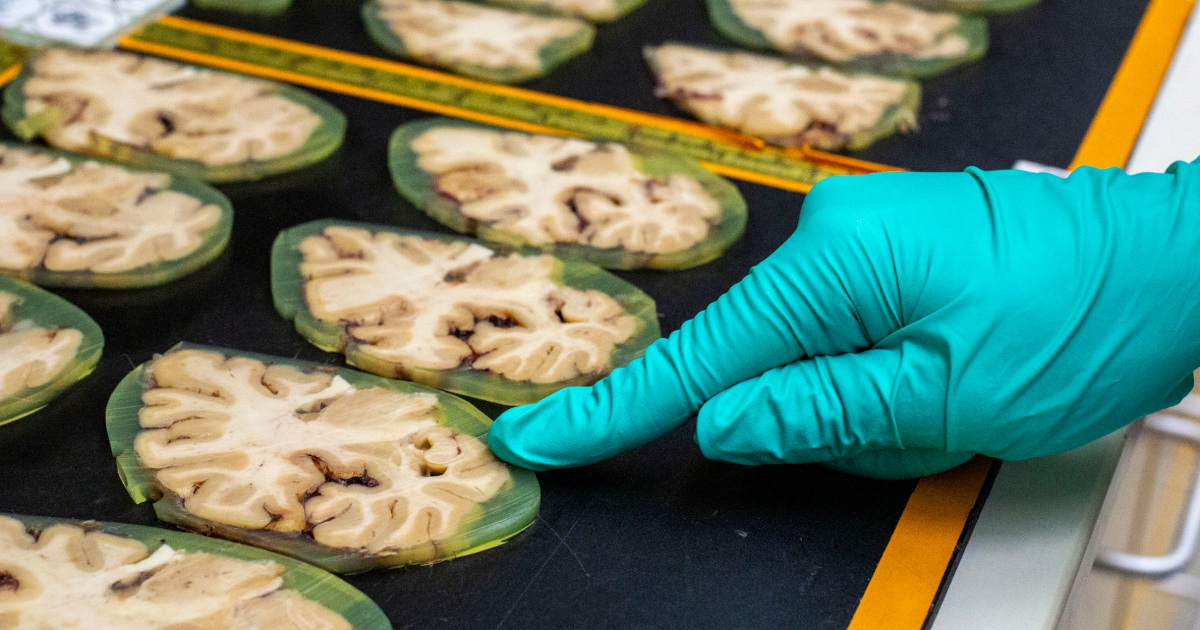
- Brain Bank Shortages: Critical tissue samples may go unanalyzed.
- Researcher Exodus: Talent may migrate to better-funded fields.
Dr. Marcus Chen, a lead investigator, notes, “We’re on the cusp of meaningful breakthroughs. Losing momentum now would be like turning back a marathon runner at mile 25.”
Families Caught in the Crossfire
For patients like 68-year-old Martha Greer, who enrolled in a trial after her diagnosis, the stakes are deeply personal. “This program gave me hope,” she says. “If it disappears, what’s left for people like me?” Advocacy groups report a surge in calls from anxious families, with many fearing reduced access to experimental therapies.
Meanwhile, critics argue that the initiative’s high costs demand scrutiny. Some policymakers suggest reallocating funds to preventive care or caregiver support. “We must balance ambition with fiscal responsibility,” says Senator Richard Lowe (R-TX), who chairs the health appropriations subcommittee.
What’s Next for Alzheimer’s Research?
Stakeholders are exploring stopgap measures, including:
- Public-private partnerships to bridge funding gaps
- Grassroots campaigns to pressure legislators
- Streamlining trials to reduce costs
Despite the uncertainty, many remain optimistic. “Science has always overcome hurdles,” says Dr. Torres. But we can’t do it alone—we need public support.”
How You Can Help
The Alzheimer’s Association urges concerned citizens to contact their representatives and donate to research funds. With 1 in 3 seniors dying with dementia, the time to act is now. Visit alz.org/advocate to join the fight.
As the initiative’s future teeters, one truth remains clear: the ripple effects of today’s decisions will shape millions of tomorrows.
See more WebMD Network


