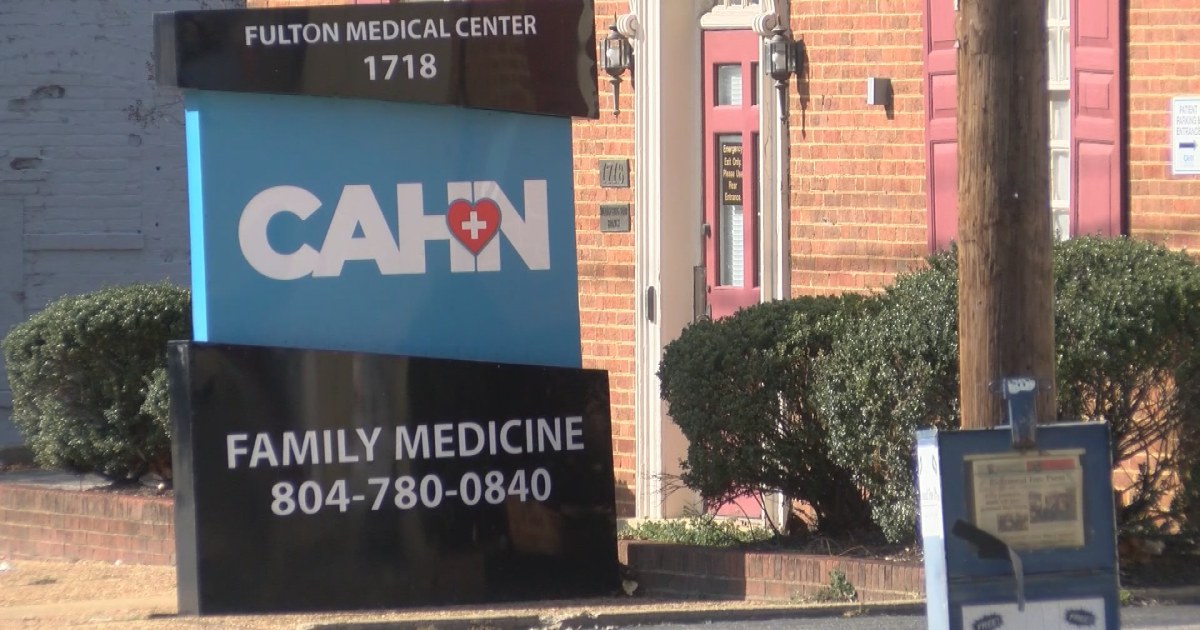
Sudden Closure of Virginia Health Clinics: Impact on Patient Care and Access
The recent sudden closure of Virginia health clinics has created a ripple effect throughout communities, leaving many patients in limbo regarding their healthcare needs. As these clinics abruptly shut their doors, concerns over patient care and access to essential services have escalated. This unexpected turn of events has not only affected those relying on these clinics for routine check-ups and chronic disease management but has also illuminated significant gaps in the healthcare system.
The Immediate Impact of Clinic Closures
For countless residents, health clinics represent a vital lifeline to medical care. Many individuals depend on them for everything from preventive services to urgent care. The sudden closure of these facilities has left patients scrambling for alternatives. The immediate impact can be seen in several areas:
- Disruption of Regular Care: Patients who relied on these clinics for regular check-ups, vaccinations, and ongoing treatments are now facing uncertainty. This disruption can lead to worsening health conditions, especially for those managing chronic illnesses.
- Increased Emergency Room Visits: With fewer clinics available, many patients may turn to emergency rooms for care, which can overwhelm these facilities and lead to longer wait times.
- Financial Strain: For low-income residents, the sudden loss of affordable healthcare options can lead to financial strain. Many may now face higher out-of-pocket costs when seeking care elsewhere.
Who is Affected?
The closures have disproportionately affected vulnerable populations, including low-income families, the elderly, and those without reliable transportation. Many of these individuals may not have the means to travel to distant healthcare facilities or may lack health insurance, complicating their access to necessary services.
Moreover, the emotional toll of uncertainty cannot be overlooked. Patients accustomed to familiar healthcare providers are now facing the anxiety of finding new doctors and establishing new care relationships. This disruption can hinder the continuity of care, which is crucial for effective treatment and management of health conditions.
Why Did the Clinics Close?
The reasons behind the abrupt closures of Virginia health clinics are multifaceted. Some of the contributing factors include:
- Financial Instability: Many health clinics operate on tight budgets and may struggle to maintain operations amid rising costs and decreasing reimbursement rates from insurance providers.
- Regulatory Challenges: Stricter regulations and compliance requirements can place additional burdens on clinics, leading to operational difficulties.
- Workforce Shortages: A shortage of healthcare professionals in certain regions may have made it difficult for clinics to staff adequately, forcing some to close their doors.
Searching for Alternatives
As patients find themselves in limbo, many are actively searching for alternative care options. Here are some potential paths individuals can explore:
- Nearby Clinics: Patients are encouraged to seek out other local clinics or health centers that may accept new patients. Community health centers often provide affordable care and may offer a sliding scale for payment based on income.
- Telehealth Services: The rise of telehealth has provided a new avenue for patients to receive care without needing to visit a physical location. Many healthcare providers now offer virtual appointments, allowing for consultations from the comfort of home.
- Emergency Services: In cases of urgent medical needs, patients may need to rely on emergency services. However, this should be a last resort due to potential long wait times and higher costs.
Community Response and Solutions
Communities across Virginia are responding to the crisis with a mix of concern and action. Local health organizations, advocacy groups, and government agencies are collaborating to address the gaps created by the clinic closures. Some of the proposed solutions include:
- Mobile Clinics: The establishment of mobile clinics can help bridge the gap in healthcare access. These clinics can travel to underserved areas, providing essential services directly to patients.
- Increased Funding: Advocating for increased funding for community health centers could help stabilize existing clinics and support the opening of new ones in areas where they are needed most.
- Public Awareness Campaigns: Educating the community about available services and resources is critical. Public awareness campaigns can help connect patients with the care they need.
The Importance of Continuity of Care
Continuity of care is paramount in healthcare. When patients have a consistent provider, they are more likely to follow treatment plans, attend regular check-ups, and receive preventive care. The sudden closure of health clinics disrupts this continuity and can lead to adverse health outcomes.
Healthcare providers and policymakers must prioritize efforts to maintain continuity of care. This includes creating seamless transitions for patients who must switch providers, ensuring that their medical history and treatment plans are communicated effectively to new providers.
Looking Ahead: Building a Resilient Healthcare System
The sudden closure of Virginia health clinics serves as a wake-up call about vulnerabilities in the healthcare system. As we look ahead, it is essential to focus on building a more resilient healthcare infrastructure that can withstand economic pressures and meet the needs of all residents.
Potential strategies include:
- Enhancing Access to Care: Expanding the number of clinics, particularly in underserved areas, can help ensure that all patients have access to necessary services.
- Investing in Workforce Development: Addressing workforce shortages through training programs and incentives can help ensure that clinics have the staff they need to operate effectively.
- Policy Reform: Advocating for reforms that support clinic sustainability can help prevent future closures and ensure that healthcare remains accessible to all.
Conclusion
The sudden closure of Virginia health clinics has left many patients in limbo, highlighting critical gaps in the healthcare system. As communities work to navigate this challenging landscape, it is crucial to prioritize patient care and access to essential services. By exploring alternative solutions and advocating for systemic changes, there is hope for a more resilient healthcare system that meets the needs of all Virginians.
See more WebMD Network


