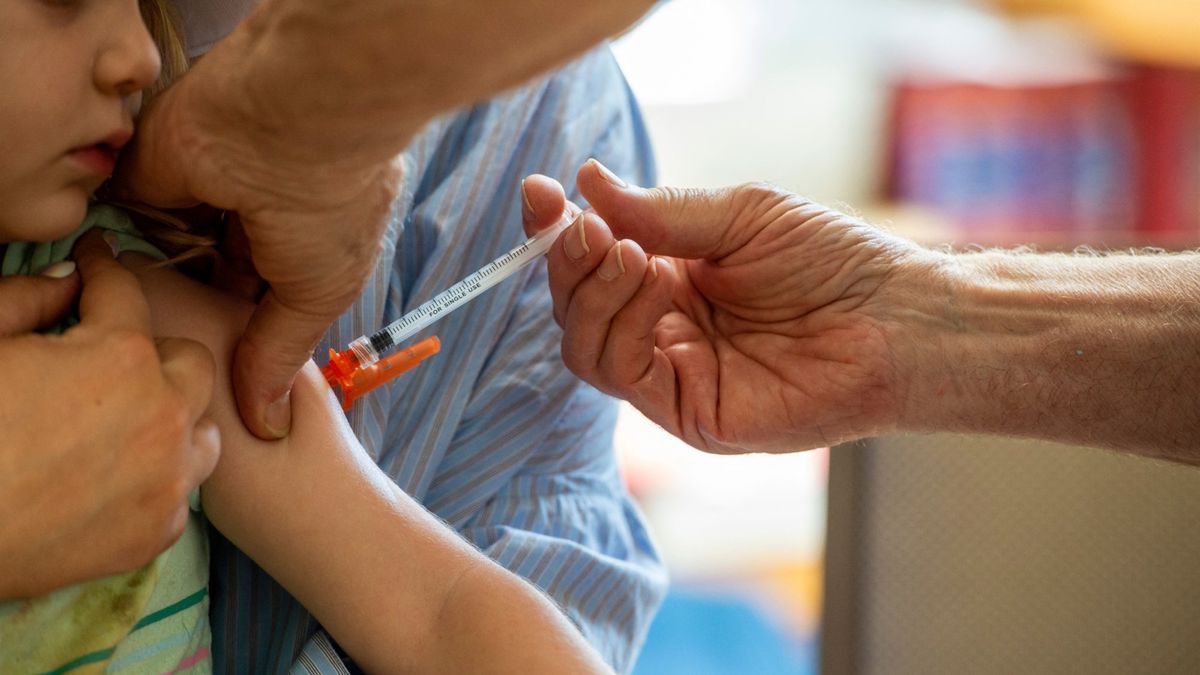
The Hidden Risks: Why Vaccination is Crucial for Your Child’s Health
In today’s world, where misinformation can spread like wildfire, understanding the critical importance of vaccinations is more vital than ever. Vaccination is not just a personal choice; it’s a public health imperative. Skipping essential vaccines poses significant risks not only to individual children but also to the wider community. This article delves into the dangers associated with neglecting vaccinations and highlights why vaccinating your child is crucial for their health and the health of others.
The Science Behind Vaccination
Vaccination works by stimulating the immune system to recognize and fight off specific pathogens. When a vaccine is administered, it introduces a harmless component of the virus or bacteria into the body. This prompts the immune system to produce antibodies, which help protect against future infections. Vaccines have been scientifically proven to reduce the incidence of infectious diseases, significantly lowering morbidity and mortality rates.
For instance, diseases like measles, polio, and whooping cough have seen dramatic declines in prevalence due to widespread vaccination efforts. According to the World Health Organization (WHO), vaccination prevents 2-3 million deaths each year from diseases such as diphtheria, tetanus, pertussis, influenza, and measles.
The Consequences of Skipping Vaccines
Skipping vaccines can lead to a resurgence of preventable diseases. The implications of vaccine hesitancy extend beyond the individual child. When vaccination rates drop, herd immunity is compromised. Herd immunity occurs when a significant portion of a population becomes immune to a disease, making its spread unlikely. This is particularly crucial for those who cannot be vaccinated, such as infants or individuals with certain medical conditions.
- Increased Disease Outbreaks: Communities with low vaccination rates are at a higher risk for outbreaks of vaccine-preventable diseases. For instance, in recent years, the U.S. has seen outbreaks of measles, a disease that was largely eradicated thanks to the MMR (measles, mumps, rubella) vaccine.
- Impact on Vulnerable Populations: Children who are too young to be vaccinated or those with compromised immune systems depend on herd immunity for protection. When vaccination rates decline, these vulnerable groups face increased risks.
- Long-term Health Consequences: Some vaccine-preventable diseases can lead to serious long-term health issues. For example, mumps can cause orchitis (swelling of the testicles) and even infertility in males.
Addressing Common Concerns About Vaccination
Despite the overwhelming evidence supporting the safety and efficacy of vaccines, some parents harbor concerns. Here are a few common worries along with factual responses:
- Vaccines Cause Autism: Numerous studies, including extensive reviews by the CDC and WHO, have found no credible link between vaccines and autism. The initial study that suggested a connection has been thoroughly discredited.
- Too Many Vaccines Too Soon: The current vaccination schedule is designed to provide immunity at the earliest possible age while considering the baby’s developing immune system. Delaying vaccines increases the risk of contracting diseases.
- Natural Immunity is Better: While natural infection can lead to immunity, it often comes with severe health risks. Vaccination provides a safer way to achieve immunity without the complications of the disease itself.
The Role of Healthcare Providers
Healthcare providers play a crucial role in addressing vaccine hesitancy. They are often the most trusted sources of information for parents. Here’s how they can help:
- Providing Evidence-Based Information: Doctors can offer credible information about the benefits and risks of vaccinations, helping parents make informed decisions.
- Building Trust: Establishing a trusting relationship can encourage parents to voice their concerns and receive accurate answers.
- Promoting Vaccination Campaigns: Healthcare providers can actively participate in community outreach programs that promote the importance of vaccinations.
Community Responsibility and Public Health
Vaccination is not solely an individual choice; it embodies a commitment to community health. When parents choose to vaccinate their children, they contribute to the overall well-being of society. This collective responsibility is crucial in maintaining public health.
In light of recent global health challenges, such as the COVID-19 pandemic, the importance of vaccination has become even more apparent. Vaccination against COVID-19, alongside flu shots and other routine vaccines, helps protect not just the individual but also the entire community.
Conclusion: A Call to Action
As we navigate an era laden with misinformation, it is imperative to recognize the hidden risks associated with skipping vaccinations. Vaccination is crucial for safeguarding your child’s health and ensuring the well-being of those around them. By choosing to vaccinate, you are not only protecting your child from preventable diseases but also contributing to a healthier community.
Parents must stay informed, consult healthcare professionals, and understand the significance of vaccines. Together, we can combat misinformation and protect future generations. Remember, the stakes are high. Your child’s health—and the health of others—depends on it.
See more WebMD Network


