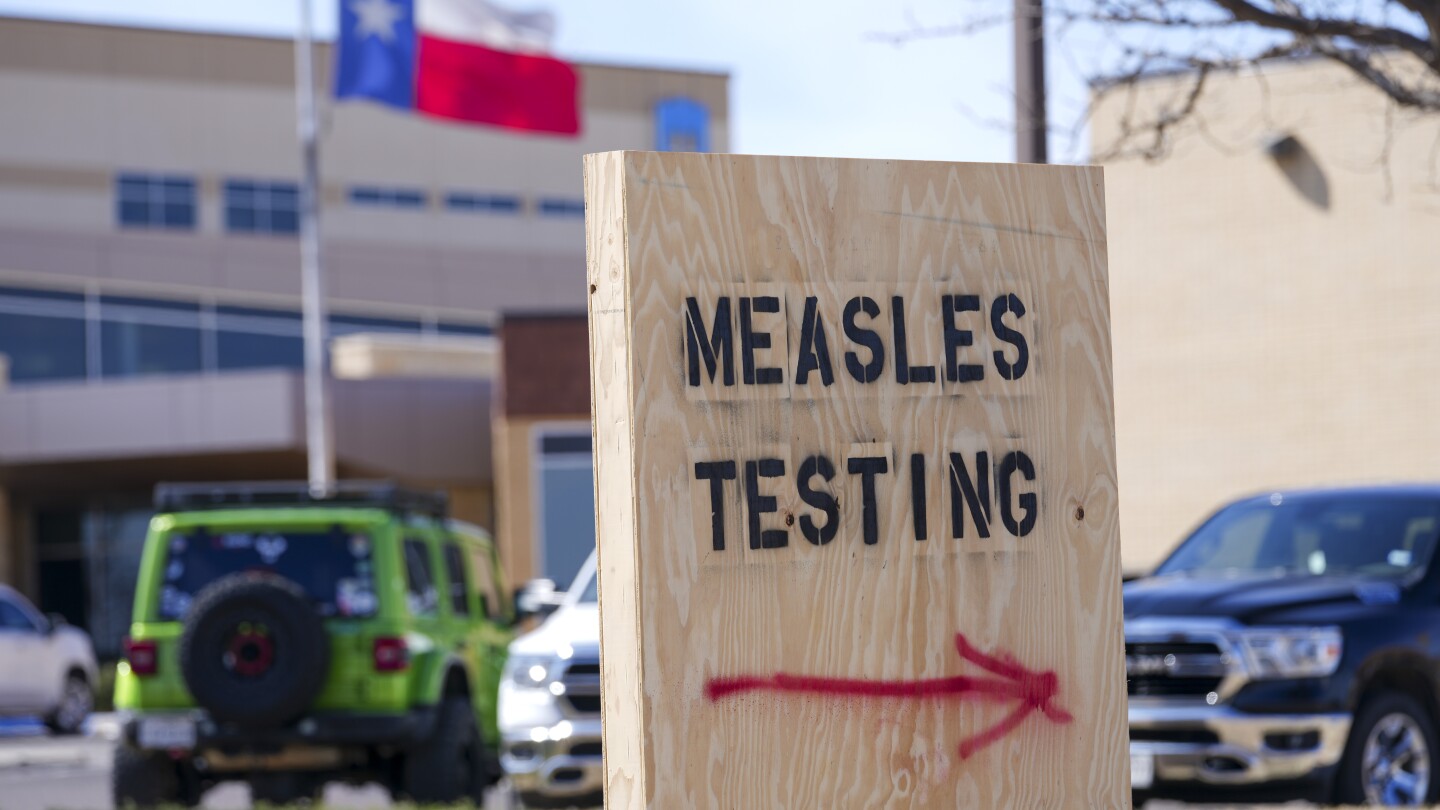
Understanding Measles: The Contagious Virus and How to Protect Yourself
Measles remains one of the most contagious diseases globally, posing significant health risks. This highly infectious viral illness not only affects individuals but can also have profound implications for communities. In this article, we will explore the nature of the measles virus, its transmission, symptoms, and effective prevention strategies to safeguard yourself and your community.
The Nature of Measles
Measles is caused by the measles virus, a member of the Paramyxovirus family. It primarily affects the respiratory system and is characterized by its ability to spread rapidly among unvaccinated populations. The virus can survive on surfaces for several hours and can be transmitted through respiratory droplets when an infected person coughs or sneezes.
One of the most alarming aspects of measles is its high level of contagiousness. According to the Centers for Disease Control and Prevention (CDC), a person with measles can infect 90% of the non-immune individuals who come into contact with them. The basic reproduction number (R0) for measles is estimated to be between 12 and 18, making it one of the most contagious viruses known.
Transmission of Measles
Understanding how measles spreads is crucial for prevention. The transmission occurs in several ways:
- Airborne Transmission: The measles virus can remain in the air for up to two hours after an infected person has left the area. This means that individuals can become infected by merely being in the same space as someone with measles, even if they are not in direct contact.
- Direct Contact: The virus can also spread through direct contact with nasal or throat secretions of an infected person. This can occur through handshakes or touching contaminated surfaces.
- Infectious Period: An infected person is contagious from about four days before the rash appears to four days after the rash develops, which makes identifying potential outbreaks challenging.
Symptoms of Measles
The symptoms of measles typically appear 7 to 14 days after exposure to the virus. Early signs include:
- High fever (often exceeding 104°F)
- Cough
- Runny nose
- Red, watery eyes (conjunctivitis)
- Fatigue
After a few days, a characteristic red rash appears, usually starting at the hairline and spreading downward. The rash typically lasts for about a week and can be accompanied by additional symptoms such as sensitivity to light and a severe cough.
Complications Associated with Measles
While many individuals recover from measles without long-term effects, the virus can lead to serious complications, especially in young children and adults. Some of these complications include:
- Pneumonia: This is the most common cause of death from measles in young children.
- Encephalitis: In rare cases, measles can lead to inflammation of the brain, resulting in seizures and permanent neurological damage.
- Subacute Sclerosing Panencephalitis (SSPE): This is a rare but fatal degenerative disease that can occur 7 to 10 years after a person has measles.
How to Protect Yourself and Others
Given the highly contagious nature of measles, prevention is critical. Here are effective strategies to protect yourself and your community from this virus:
Vaccination
The most effective way to prevent measles is through vaccination. The measles, mumps, and rubella (MMR) vaccine is recommended for children, typically administered in two doses:
- The first dose is given between 12 and 15 months of age.
- The second dose is given between 4 and 6 years of age, before entering school.
Vaccination not only protects the individual but also contributes to herd immunity, which helps protect those who cannot be vaccinated, such as infants or individuals with weakened immune systems.
Awareness and Education
Staying informed about measles outbreaks in your community is essential. Education about the importance of vaccination and recognizing symptoms can help mitigate the spread of the virus. Community outreach programs can play a vital role in raising awareness and encouraging vaccination.
Maintaining Good Hygiene Practices
Practicing good hygiene can also reduce the risk of spreading the virus:
- Wash your hands frequently with soap and water, especially after coughing or sneezing.
- Use hand sanitizers when soap and water are not available.
- Avoid close contact with individuals who exhibit measles symptoms, especially in crowded places.
Quarantine and Isolation
If you or someone you know has been diagnosed with measles, it is crucial to follow isolation guidelines. Stay at home and avoid contact with others, especially those who are unvaccinated or have weakened immune systems, until the contagious period has passed.
The Role of Healthcare Providers
Healthcare providers play a significant role in controlling measles outbreaks. They should:
- Be vigilant in recognizing and diagnosing measles cases.
- Encourage vaccination during routine health visits.
- Educate patients about the risks of measles and the benefits of vaccination.
Conclusion
Understanding measles and its transmission is vital in the fight against this highly contagious virus. By prioritizing vaccination, practicing good hygiene, and educating ourselves and our communities, we can significantly reduce the risk of outbreaks and protect the most vulnerable among us. Together, we can build a healthier future free from the threat of measles.
In a world where global travel is common and health interconnectivity is paramount, staying informed and proactive is our best defense against infectious diseases like measles. Let’s work together to ensure that measles remains a disease of the past.
See more WebMD Network


