Tuberculosis Resurgence: Understanding the Alarming Trend in the U.S.
In recent years, the United States has witnessed a disturbing uptick in tuberculosis (TB) cases, reversing a long-standing trend of decline. This resurgence of tuberculosis has sent shockwaves through public health circles, prompting officials to investigate the underlying causes and implications for the broader community. Understanding the alarming trend of tuberculosis resurgence is crucial for both individuals and healthcare providers as we strive to combat this age-old disease.
What is Tuberculosis?
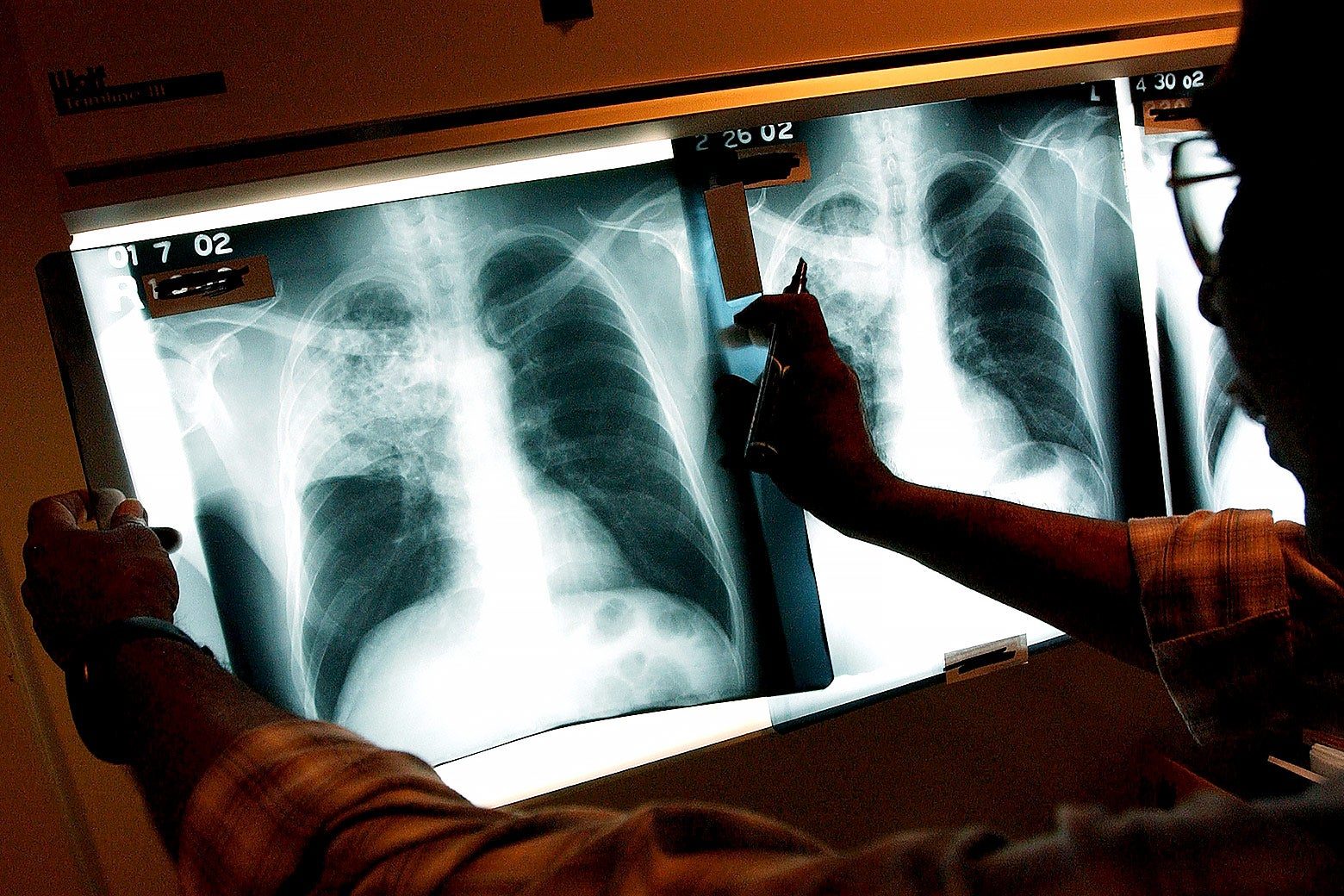
Tuberculosis is an infectious disease caused by the bacterium Mycobacterium tuberculosis. Primarily affecting the lungs, it can also impact other parts of the body, such as the kidneys, spine, and brain. TB spreads through the air when an infected person coughs or sneezes, releasing tiny droplets containing the bacteria. While many people may carry the bacteria without showing symptoms, those with weakened immune systems are at a higher risk of developing active TB.
The Current State of Tuberculosis in the U.S.
According to the Centers for Disease Control and Prevention (CDC), there were approximately 8,000 reported cases of TB in the U.S. in 2021, marking a 4.5% increase from the previous year. This rise has raised alarms about the potential for a public health crisis, especially considering the years of progress made in reducing TB incidence.
- Historical Context: TB was once the leading cause of death in the early 20th century. However, the advent of antibiotics and public health initiatives led to a significant decline in cases over the decades.
- Recent Trends: The recent increase in TB cases suggests a worrying trend that could undermine decades of progress.
Factors Contributing to Tuberculosis Resurgence
Understanding the reasons behind the resurgence of tuberculosis is pivotal for devising effective strategies to combat it. Several interconnected factors contribute to this alarming trend:
1. COVID-19 Pandemic Impact
The COVID-19 pandemic has had a profound impact on public health systems across the globe, including the management and prevention of tuberculosis. Here are some ways COVID-19 has influenced TB resurgence:
- Disruption of Services: During the pandemic, many health services were redirected towards COVID-19 response efforts, leading to a significant drop in TB screening, diagnosis, and treatment.
- Increased Vulnerability: The pandemic has exacerbated health disparities, particularly among marginalized populations who are already at a higher risk for TB.
2. Social Determinants of Health
Social determinants such as poverty, homelessness, and lack of access to healthcare can severely affect TB outcomes. In the U.S., populations that face these challenges are at a greater risk for contracting and spreading the disease. Key factors include:
- Housing Instability: Individuals without stable housing often lack access to medical care and are more likely to live in crowded conditions, facilitating the spread of TB.
- Healthcare Access: Limited access to healthcare services can hinder timely diagnosis and treatment, allowing TB to spread.
3. Immigration and Global Mobility
With increased global travel and immigration, the risk of TB transmission has also heightened. Many immigrants come from regions where TB remains endemic, bringing the disease into communities with low prevalence. This influx can lead to localized outbreaks if not managed effectively.
4. Drug-Resistant Tuberculosis
Another alarming aspect of the TB resurgence is the rise of drug-resistant strains of the bacteria. Multidrug-resistant TB (MDR-TB) poses a significant challenge to public health due to its resistance to standard treatment regimens, complicating efforts to control the disease.
Public Health Response to Tuberculosis Resurgence
In light of these challenges, public health officials are re-evaluating their strategies to combat tuberculosis. Here are a few focal points of the response:
1. Enhanced Screening and Diagnosis
To curb the resurgence of tuberculosis, healthcare providers are emphasizing the importance of regular screening, particularly for high-risk populations. Improved diagnostic tools and access to testing can help catch cases early and reduce transmission.
2. Increased Awareness and Education
Public health campaigns aimed at educating communities about tuberculosis, its symptoms, and the importance of timely treatment are essential. Awareness can help reduce stigma and encourage individuals to seek help when necessary.
3. Strengthening Healthcare Infrastructure
Addressing social determinants of health is crucial for a comprehensive TB response. Initiatives aimed at improving housing, access to healthcare, and social support can significantly impact TB control efforts.
4. Research and Development
Investing in research for new TB treatments and vaccines is essential. Innovative approaches could lead to more effective methods for managing and preventing the disease, especially drug-resistant forms.
The Path Forward
While the resurgence of tuberculosis in the U.S. is indeed alarming, it also presents an opportunity for renewed focus on public health initiatives. By understanding the multifaceted nature of this disease and mobilizing resources effectively, we can work towards reversing this troubling trend.
As individuals, we can contribute by being informed, advocating for public health measures, and supporting those at risk. TB is preventable and treatable, and with concerted efforts, we can ensure that the gains made in tuberculosis control are not lost.
Conclusion
The alarming trend of tuberculosis resurgence in the United States serves as a reminder of the ongoing challenges in public health. By addressing the root causes, enhancing healthcare responses, and fostering community awareness, we can work to protect vulnerable populations and ultimately control this infectious disease. Let’s unite in our efforts to confront tuberculosis and ensure a healthier future for all.
See more WebMD Network