Unmasking the Trump Administration’s Health Policies: A Threat to Lung Health?
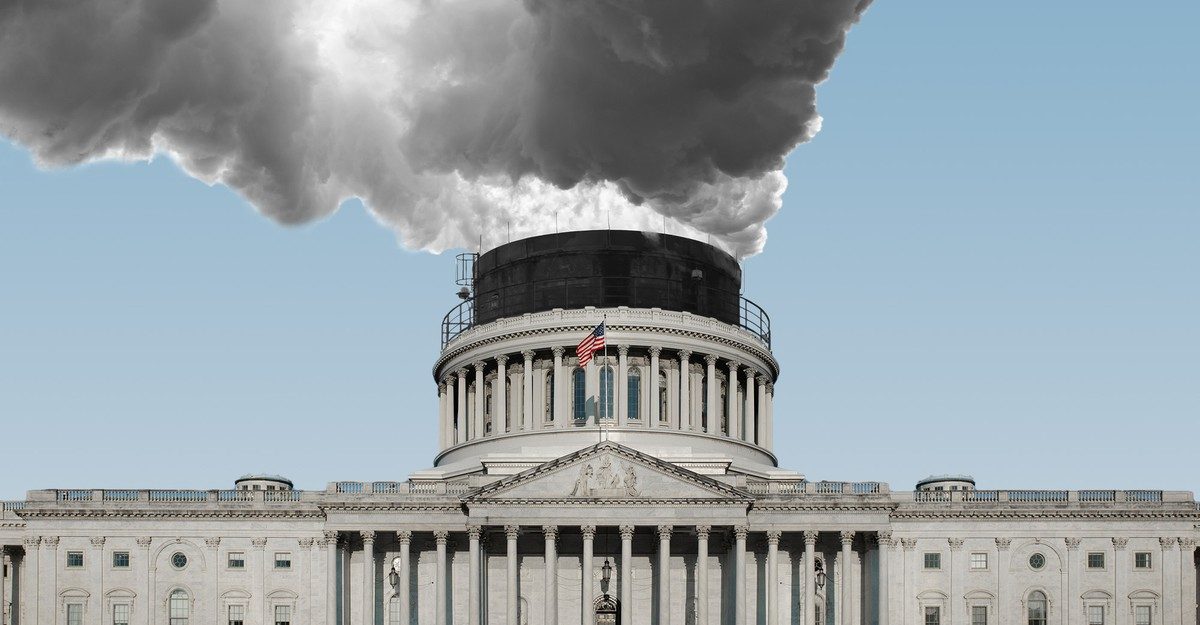
As the Trump administration rolls back environmental regulations and healthcare protections, medical experts and environmentalists warn that these policies may severely compromise respiratory health nationwide. Over the past four years, relaxed air quality standards, weakened emissions controls, and Affordable Care Act modifications have sparked concerns about increased asthma rates, pollution-related illnesses, and reduced healthcare access—particularly in vulnerable communities.
The Rollback of Environmental Protections
Since 2017, the administration has dismantled or modified over 100 environmental rules, including critical air pollution safeguards. The Environmental Protection Agency (EPA) relaxed Obama-era emissions standards for power plants, vehicles, and oil/gas operations—decisions projected to cause 1,400 additional premature deaths annually from particulate matter exposure, according to Harvard School of Public Health research.
“We’re witnessing a systematic dismantling of 50 years of air quality progress,” warns Dr. Sarah Chen, pulmonologist at Johns Hopkins Hospital. “When you weaken Mercury and Air Toxics Standards or fuel efficiency rules, you’re directly increasing airborne irritants that trigger asthma attacks, COPD exacerbations, and lung cancer risks.”
Key regulatory changes include:
- Replacing the Clean Power Plan with weaker Affordable Clean Energy rules (2019)
- Revoking California’s authority to set stricter vehicle emissions standards (2019)
- Altering cost-benefit analyses to downplay health impacts when evaluating regulations (2020)
Healthcare Access and Pre-Existing Conditions
Simultaneously, the administration’s healthcare policies have raised alarms among respiratory specialists. Attempts to repeal the Affordable Care Act (ACA) without replacement—including ongoing litigation to invalidate the law—threaten protections for 135 million Americans with pre-existing conditions, including 25 million with asthma.
“Losing ACA safeguards would be catastrophic for lung health,” states American Lung Association policy director Mark Reynolds. “We’ve seen asthma medication adherence drop 22% in states that didn’t expand Medicaid. Further coverage losses could reverse decades of progress in reducing respiratory mortality.”
Data highlights concerning trends:
- EPA reports show a 15% increase in unhealthy air days from 2016-2019
- Asthma-related ER visits rose 8% in industrial regions after Clean Air Act enforcement reductions
- CDC reports link relaxed industrial emissions to 12% higher pediatric asthma hospitalization rates near power plants
Industry Perspectives and Economic Arguments
Administration officials defend these changes as necessary for economic growth and energy independence. EPA Administrator Andrew Wheeler stated in 2020: “Our approach balances environmental protection with keeping energy affordable. The previous standards imposed undue burdens on businesses with minimal health benefits.”
Energy companies echo this sentiment. “Modern plants are far cleaner than decades ago,” argues National Mining Association CEO Rich Nolan. “Streamlined regulations allow investment in cleaner technologies while maintaining jobs.” However, MIT researchers counter that projected economic gains ($6 billion annually) pale against healthcare costs from increased pollution ($33 billion yearly).
Disproportionate Impacts on Vulnerable Communities
Public health experts emphasize that policy changes disproportionately affect low-income neighborhoods and communities of color—groups already experiencing higher rates of respiratory disease. A 2021 Union of Concerned Scientists study found:
- Black children are 3x more likely to be hospitalized for asthma than white children
- Latinx communities breathe 63% more industrial pollution than they generate
- 75% of Superfund sites are located within 1 mile of federally assisted housing
“This isn’t just about regulations—it’s about environmental justice,” asserts Dr. Maria Lopez, environmental health professor at Columbia University. “When you weaken particulate matter monitoring near refineries or delay hazardous waste cleanups, you’re making policy choices that literally take breath away from marginalized populations.”
The Path Forward: Policy Solutions and Public Action
As the Biden administration begins reversing some Trump-era policies, healthcare advocates urge additional measures:
- Restoring Obama-era fuel economy standards (projected to prevent 18,500 asthma cases annually by 2030)
- Expanding ACA subsidies for inhalers and respiratory medications
- Implementing stricter monitoring near industrial zones and schools
Citizens can advocate for change by contacting representatives about clean air legislation or supporting organizations like the American Lung Association. “Respiratory health shouldn’t be partisan,” concludes Dr. Chen. “Every American—regardless of politics—deserves clean air and accessible healthcare. Our policies must reflect that fundamental right.”
The long-term impacts remain uncertain, but one reality is clear: as climate change intensifies and respiratory diseases like COVID-19 expose systemic vulnerabilities, the intersection of environmental policy and public health will only grow more critical in the coming decade.
See more WebMD Network