The Seed Oil Debate: An Overview
The conversation surrounding dietary fats has taken a dramatic turn with the emergence of the seed oil debate. Influencers and prominent public figures, including political candidates like Robert F. Kennedy Jr., are raising questions about the safety and health implications of consuming seed oils. This debate is stirring significant interest, not just among health enthusiasts but also in the medical and nutrition science communities. As these influencers challenge established nutrition science, it’s essential to delve deeper into what seed oils are, the basis of the controversy, and the perspectives from both sides of the argument.
Understanding Seed Oils
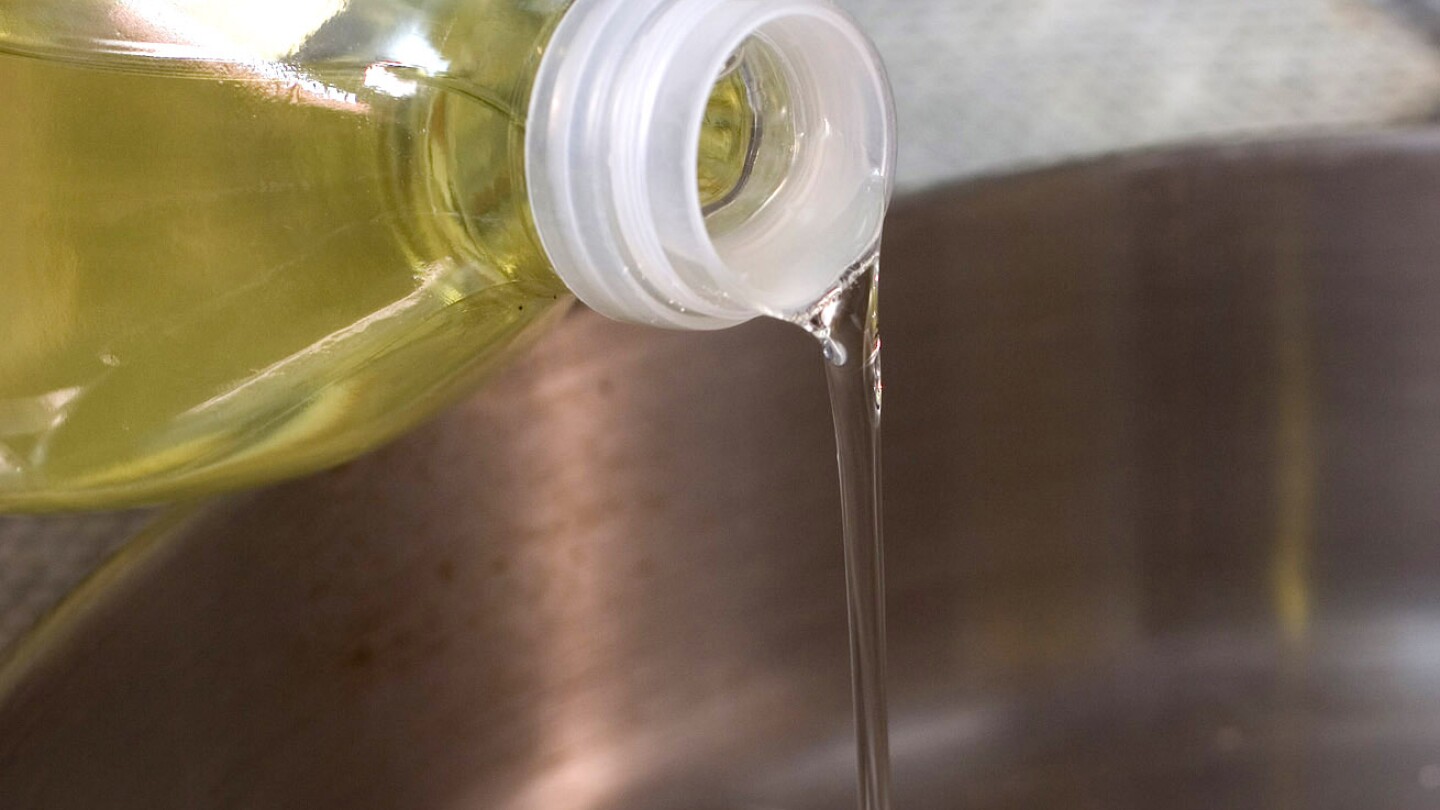
Seed oils, also known as vegetable oils, are extracted from the seeds of various plants. Common examples include:
- Canola oil
- Soybean oil
- Sunflower oil
- Corn oil
- Sesame oil
These oils have become staples in modern cooking and food production due to their versatility and relatively low cost. They are often used in processed foods, frying, and salad dressings. From a nutritional standpoint, seed oils are predominantly made up of polyunsaturated fats, particularly omega-6 fatty acids, which have been touted for their potential health benefits.
The Rise of Skepticism
Recently, however, there has been a surge of skepticism regarding the health benefits of seed oils, largely fueled by social media influencers. These individuals are leveraging platforms like Instagram and TikTok to share their opinions on the potential dangers of consuming seed oils. They argue that the industrial processes used to extract these oils may lead to the formation of harmful compounds, and they point to studies suggesting a correlation between high omega-6 intake and inflammation, obesity, and chronic diseases.
Influencers assert that traditional fats such as butter, olive oil, and coconut oil are healthier alternatives. This perspective has gained traction, particularly in health-conscious communities, where there is a growing interest in diets that prioritize whole, unprocessed foods.
Nutrition Science Responds
In stark contrast to the influencers’ claims, many nutrition scientists argue that the demonization of seed oils is unfounded. They emphasize that:
- **Evidence Base**: Numerous studies have shown that replacing saturated fats with unsaturated fats, including those found in seed oils, can lower the risk of heart disease.
- **Omega-6 Fatty Acids**: While omega-6 fatty acids are prevalent in seed oils, they are essential for the body and play a crucial role in cellular function, inflammation regulation, and overall health.
- **Research Consistency**: The consensus among major health organizations, including the American Heart Association and the World Health Organization, is that moderate consumption of polyunsaturated fats is beneficial.
These experts caution against making sweeping generalizations based on anecdotal evidence or individual experiences. They advocate for a balanced approach to dietary fats, emphasizing that the quality of the overall diet matters more than the exclusion of specific oils.
Debunking Myths Surrounding Seed Oils
As the seed oil debate continues to unfold, several myths have emerged that warrant clarification:
1. Seed Oils Are Toxic
One of the most prominent claims made by critics is that seed oils are toxic due to the high levels of processing they undergo. While it’s true that some industrial processes can create harmful by-products, reputable brands often use methods that preserve the oil’s integrity. Cold-pressed seed oils, for instance, are extracted without heat, minimizing the risk of oxidation.
2. Seed Oils Cause Inflammation
Another common assertion is that seed oils lead to systemic inflammation. However, research indicates that inflammation is a multifactorial issue influenced by diet, lifestyle, and genetics. A balanced intake of omega-3 and omega-6 fatty acids can help maintain a healthy inflammatory response.
3. All Fats Are Created Equal
It’s easy to fall into the trap of thinking all fats are bad. In reality, fats play essential roles in our bodies, from hormone production to nutrient absorption. The key is to focus on moderation and the types of fats consumed.
The Role of Social Media in Nutrition Discourse
The rise of social media influencers in health and nutrition discussions highlights a broader trend where traditional sources of information are being challenged. This democratization of information can be empowering but also poses risks:
- **Misinformation**: With the rapid spread of information online, it becomes difficult for the average consumer to distinguish between credible science and sensational claims.
- **Oversimplification**: The complexity of nutritional science can be oversimplified into catchy slogans or soundbites, leading to misunderstandings.
- **Echo Chambers**: Social media algorithms can create echo chambers where users are only exposed to views that reinforce their beliefs, further polarizing the debate.
Moving Forward: A Balanced Approach
As the seed oil debate rages on, it’s imperative for consumers to be discerning. Here are some practical tips for navigating dietary fats:
- Educate Yourself: Look for credible sources of information. Peer-reviewed studies and guidelines from recognized health organizations are excellent places to start.
- Balance Your Fats: Incorporate a variety of fats in your diet, including monounsaturated fats (like olive oil), saturated fats (in moderation), and omega-3s from fish.
- Quality Matters: Choose high-quality oils, preferably organic and cold-pressed when possible, to minimize exposure to harmful compounds.
Conclusion: Embracing Nuance in Nutrition
The seed oil debate underscores the need for a nuanced understanding of nutrition. While influencers play a significant role in shaping public discourse, it’s crucial for consumers to engage critically with the information presented to them. By prioritizing evidence-based science over sensational claims, individuals can make informed choices that align with their health goals. Ultimately, the conversation surrounding dietary fats should promote understanding and flexibility rather than division and fear.
See more WebMD Network


