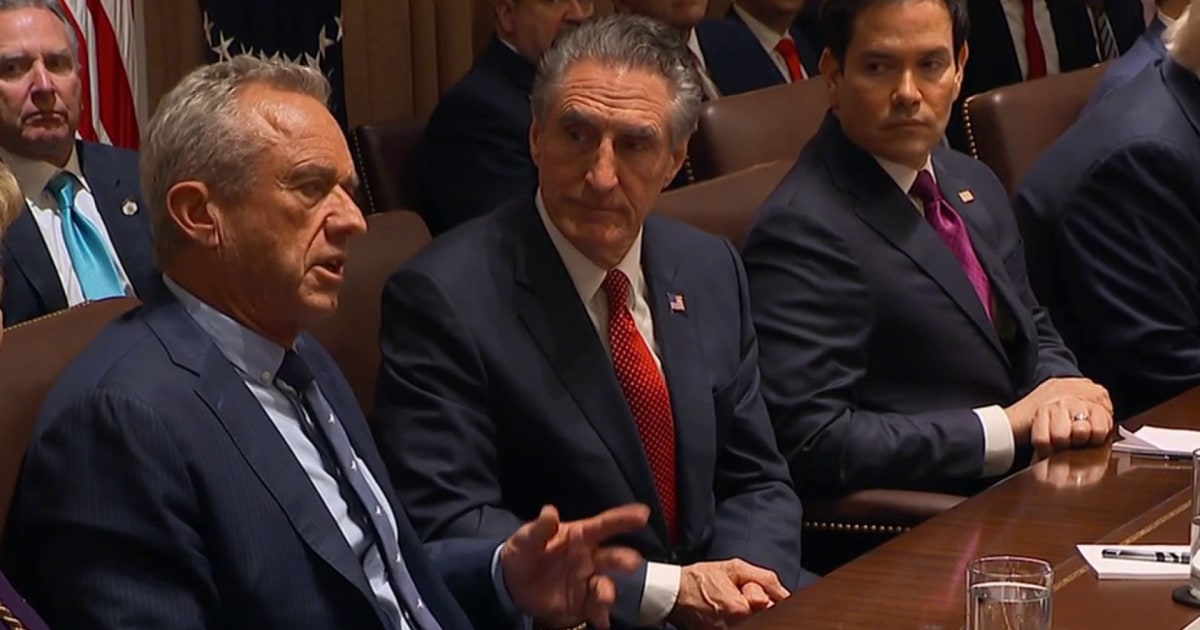
Unraveling the Mystery: RFK Jr. Weighs In on Texas Measles Surge
As Texas grapples with a troubling rise in measles cases, the public health conversation is heating up, drawing the attention of influential figures—including Robert F. Kennedy Jr. (RFK Jr.), a well-known environmental attorney and vaccine safety advocate. His insights into the outbreak have ignited debates surrounding vaccination policies and public health strategies in the Lone Star State. What do RFK Jr.’s comments mean for Texas’s health future, and how can the community respond to this resurgence of an almost eradicated disease?
The Current Landscape of Measles in Texas
Measles, once declared eliminated in the United States in 2000, is making a comeback, particularly in Texas where a surge in cases has raised alarm bells among health officials. The Texas Department of State Health Services recently reported a significant increase in measles cases, with the numbers rising sharply compared to previous years. This trend has been attributed to various factors, including vaccine hesitancy, misinformation about vaccine safety, and the impact of the COVID-19 pandemic on routine immunizations.
Measles is a highly contagious disease that can lead to severe complications, including pneumonia, encephalitis, and even death. The resurgence of measles in Texas is not just a local issue; it poses a broader public health risk that can affect communities nationwide. Understanding the factors contributing to this outbreak is critical for implementing effective public health measures.
RFK Jr. and His Perspective on Vaccination
RFK Jr. has long been a controversial figure in the conversation around vaccines. His advocacy for vaccine safety has garnered both support and criticism. During recent discussions about the measles outbreak in Texas, he reiterated his concerns about vaccine safety and the potential for adverse reactions. He argues that the current vaccination policies may not adequately consider the individual health circumstances of children.
While RFK Jr.’s views resonate with a segment of the population wary of vaccines, they have also faced substantial pushback from the medical community. Health experts emphasize that vaccines, including the measles, mumps, and rubella (MMR) vaccine, are thoroughly tested for safety and efficacy. The Centers for Disease Control and Prevention (CDC) strongly advocates for vaccination, stating that the benefits far outweigh the risks.
Understanding Vaccine Hesitancy
The rise of vaccine hesitancy has been a significant factor in the increase of measles cases, not just in Texas but across the United States. Several elements contribute to this hesitancy:
- Misinformation: The spread of false information about vaccines on social media platforms can lead to fear and uncertainty among parents regarding vaccination.
- Personal beliefs: Some individuals hold personal, philosophical, or religious beliefs that oppose vaccination.
- Complacency: After years of low incidence, some parents may not perceive the risk of measles as significant, leading to delayed or missed vaccinations.
Understanding these factors is crucial for public health officials as they work to combat the outbreak in Texas. Tailored communication strategies that address concerns and misinformation can be effective in improving vaccination rates.
The Role of Public Health Education
Education plays a pivotal role in addressing vaccine hesitancy. Public health campaigns that provide accurate information about the safety and efficacy of vaccines are essential. These campaigns should focus on:
- Community engagement: Involving local leaders and trusted figures can help disseminate accurate information and strengthen community trust.
- Transparency: Clear communication about vaccine development, testing, and monitoring processes can alleviate fears surrounding vaccine safety.
- Personal stories: Sharing testimonials from individuals who have experienced the benefits of vaccination can be powerful in swaying public opinion.
RFK Jr.’s Impact on the Public Discourse
RFK Jr.’s statements regarding the measles outbreak and vaccination policy have undoubtedly influenced public discourse. While his advocacy raises awareness about vaccine safety, it also complicates the conversation by introducing skepticism. Balancing these perspectives is essential in fostering a constructive dialogue about public health.
Public health officials in Texas and beyond must navigate this landscape carefully. Engaging with the community, addressing concerns, and providing evidence-based information will be crucial in counteracting the fears that fuel vaccine hesitancy. Moreover, it is vital to involve healthcare professionals in these discussions, as their expertise can help clarify misconceptions and reinforce the importance of vaccination.
The Future of Public Health in Texas
The ongoing measles outbreak in Texas serves as a wake-up call for public health officials. As they strive to control the current surge, they must also address the underlying issues contributing to vaccine hesitancy. The stakes are high; ensuring high vaccination rates is key to preventing future outbreaks and protecting vulnerable populations.
Moving forward, a multi-faceted approach is needed:
- Policy changes: Texas may need to reevaluate its vaccination policies and consider implementing measures that encourage immunization while respecting individual rights.
- Increased access: Expanding access to vaccinations, particularly in underserved communities, can help ensure that all children receive the necessary immunizations.
- Ongoing research: Continued research into vaccine safety and effectiveness can provide valuable insights and help address concerns from hesitant parents.
Conclusion: A Collective Responsibility
The resurgence of measles in Texas is a complex issue that requires a collective response. While RFK Jr.’s insights add another layer to the conversation, it is essential to ground the discussion in scientific evidence and public health principles. By fostering open dialogue, enhancing education, and ensuring access to vaccines, Texas can work toward a healthier future free from the threat of preventable diseases.
Ultimately, combating the measles outbreak is not just a matter of public policy; it is a shared responsibility among healthcare providers, parents, community leaders, and policymakers. Together, by addressing concerns and reinforcing the importance of vaccination, Texas can reclaim its status as a leader in public health and protect its citizens from the dangers of measles and other vaccine-preventable diseases.
See more WebMD Network


