The Controversy Surrounding RFK Jr.’s Autism Advocacy
Robert F. Kennedy Jr., a prominent environmental lawyer and vaccine skeptic, has reignited fierce debates about autism research and public health policies. His claims linking vaccines to autism—despite overwhelming scientific consensus to the contrary—have drawn sharp criticism from researchers while galvanizing supporters who distrust mainstream medicine. The controversy highlights deep divisions over scientific evidence, public trust, and advocacy ethics.
Kennedy’s Claims and the Scientific Backlash
Kennedy, chair of the anti-vaccine group Children’s Health Defense, has long argued that vaccines, particularly those containing thimerosal, contribute to autism spectrum disorder (ASD). His 2021 book, “The Real Anthony Fauci,” and public speeches often cite disputed studies, including the retracted 1998 paper by Andrew Wakefield. Researchers, however, emphasize that decades of peer-reviewed studies debunk such links.
Dr. Paul Offit, director of the Vaccine Education Center at Children’s Hospital of Philadelphia, states: “The science is unequivocal. Large-scale epidemiological studies involving millions of children show no causal relationship between vaccines and autism. Misinformation undermines public health efforts.” A 2019 meta-analysis in Annals of Internal Medicine reviewed data from over 1.2 million children, reaffirming vaccine safety.
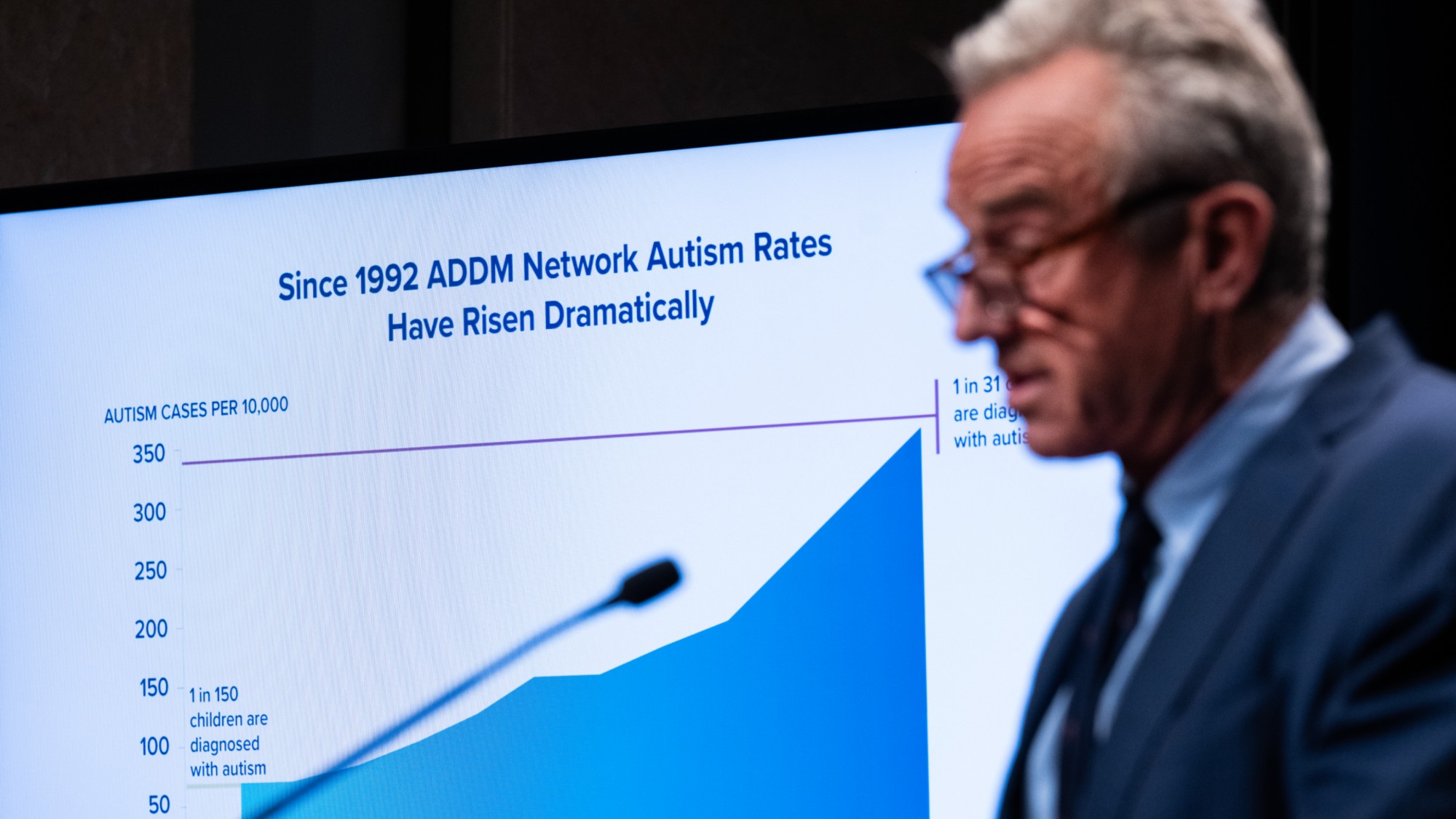
- CDC Data: 1 in 36 U.S. children are diagnosed with ASD—a rise attributed to broader diagnostic criteria, not vaccines.
- Global Consensus: The WHO, NIH, and American Academy of Pediatrics all reject vaccine-autism links.
Supporters’ Perspective: Questioning Mainstream Narratives
Kennedy’s supporters argue that he challenges institutional complacency. Dr. Brian Hooker, a biochemical engineer allied with Kennedy, claims: “We’re not ‘anti-vaccine.’ We’re pro-transparency. Independent studies on environmental triggers, including vaccine adjuvants, are stifled.” Advocates point to parental anecdotes of regression post-vaccination and demand further research into genetic-environmental interactions.
However, critics counter that such narratives exploit parental fears. “Correlation isn’t causation,” says Dr. Alison Singer, president of the Autism Science Foundation. “Focusing on debunked theories diverts resources from real breakthroughs in early intervention and support services.”
The Ripple Effects on Public Health
Kennedy’s influence extends beyond academia. Vaccine hesitancy, partly fueled by his campaigns, has contributed to measles outbreaks in unvaccinated communities. A 2023 JAMA Pediatrics study linked misinformation spikes to a 15% decline in pediatric immunization rates in some states.
Public health officials worry about eroded trust. “When high-profile figures amplify falsehoods, it creates a ‘false balance’ in media coverage,” notes Dr. Peter Hotez, a Baylor College of Medicine virologist. “Science isn’t a debate club—it’s evidence-based.”
Moving Forward: Bridging Divides
The controversy underscores broader challenges in science communication. Experts suggest:
- Improving Transparency: Address legitimate concerns without legitimizing false claims.
- Amplifying Credible Voices: Partner with influencers to counter misinformation.
- Investing in Research: Expand studies on ASD’s multifactorial origins.
As Kennedy continues his advocacy—including a 2024 presidential run—the debate will likely intensify. For families affected by autism, the priority remains actionable science, not polarizing rhetoric.
Call to Action: Stay informed with verified sources like the CDC’s autism resources or the Autism Science Foundation.
See more WebMD Network


