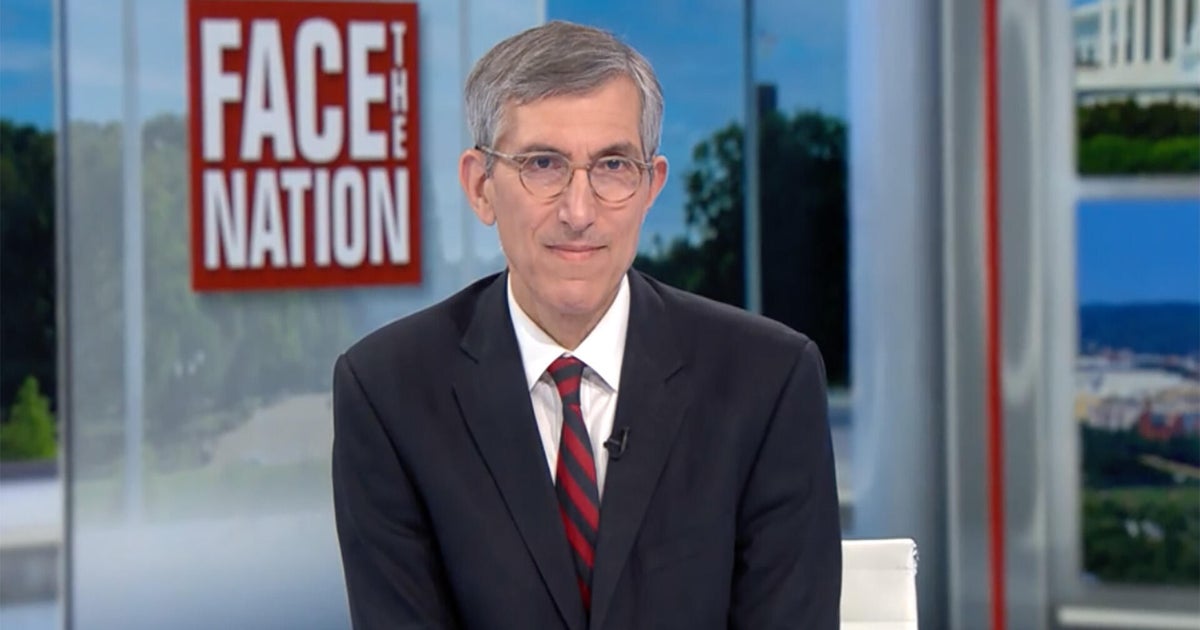
Insights from Dr. Peter Marks: Unpacking the Future of Public Health
In a recent appearance on CBS’s “Face the Nation,” Dr. Peter Marks, director of the FDA’s Center for Biologics Evaluation and Research, offered a sweeping analysis of the future of public health and vaccine development. Speaking on Sunday, Marks highlighted both the progress made since the COVID-19 pandemic and the systemic challenges that lie ahead. His insights underscored the need for innovation, equity, and global collaboration to address emerging health threats.
The Evolving Landscape of Vaccine Development
Dr. Marks emphasized how mRNA technology, accelerated during the pandemic, has revolutionized vaccine development. “We’ve entered a new era where we can develop vaccines in months rather than years,” he noted. Recent data supports this claim: the average vaccine development timeline has shrunk from 10-15 years to under 12 months for platforms like mRNA.
However, Marks cautioned against complacency. Despite breakthroughs, disparities in global vaccine access persist. For example:
- Only 32% of people in low-income countries have received at least one COVID-19 vaccine dose
- Over 80% of mRNA vaccine production remains concentrated in high-income nations
Dr. Monica Gandhi, an infectious disease specialist at UCSF, echoed these concerns: “Scientific progress means little if it doesn’t reach vulnerable populations. We need decentralized manufacturing and better supply chains.”
Public Health Infrastructure: Strengthening the Foundation
The discussion shifted to systemic weaknesses exposed by recent crises. Marks pointed to three critical gaps:
- Workforce shortages: The U.S. faces a projected deficit of 250,000 public health workers by 2030
- Data modernization: 40% of local health departments still use fax machines for reporting
- Funding instability: Only 3% of U.S. health spending goes to public health prevention
These challenges come as new threats emerge. Climate change is expanding the range of vector-borne diseases, with Lyme disease cases doubling since 1991. Meanwhile, aging populations increase vulnerability to respiratory illnesses—annual flu hospitalizations could rise by 50% by 2030.
Balancing Innovation and Equity in Global Health
Marks advocated for a “dual-track approach” combining cutting-edge science with equitable distribution. The FDA’s recent approval of the first malaria vaccine—a milestone 30 years in the making—illustrates this balance. Yet critics argue more must be done.
“We’re seeing a dangerous divergence,” said Dr. John Nkengasong, U.S. Global AIDS Coordinator. “While wealthy nations invest in pandemic preparedness, basic healthcare systems collapse in developing regions.” Statistics reinforce this divide:
- Africa bears 25% of the global disease burden but has only 3% of healthcare workers
- Vaccine coverage for routine childhood immunizations dropped 5% globally since 2019
The Road Ahead: Preparing for Future Challenges
Looking forward, Marks outlined key priorities:
- Next-gen surveillance: Deploying wastewater monitoring and AI-driven outbreak prediction
- Universal vaccine platforms: Developing vaccines effective against multiple virus strains
- Community engagement: Rebuilding trust through transparent communication
Recent successes offer hope. The CDC’s Bridge Access Program has provided 1.4 million free COVID-19 vaccines to uninsured Americans since September 2023. Internationally, mRNA vaccine hubs in South Africa and Brazil aim to boost regional production capacity by 2025.
A Call to Action for Collective Health Security
The conversation closed with a stark reminder: “Pandemics don’t respect borders,” Marks stated. With 75% of emerging diseases originating in animals, a One Health approach—integrating human, animal, and environmental health—is essential.
As climate change and globalization accelerate health risks, the lessons from Dr. Marks’ analysis are clear: innovation must pair with equity, and preparedness requires sustained investment. For readers inspired to contribute, consider advocating for public health funding or supporting organizations like Gavi, the Vaccine Alliance. The future of global health depends on actions we take today.
See more WebMD Network


