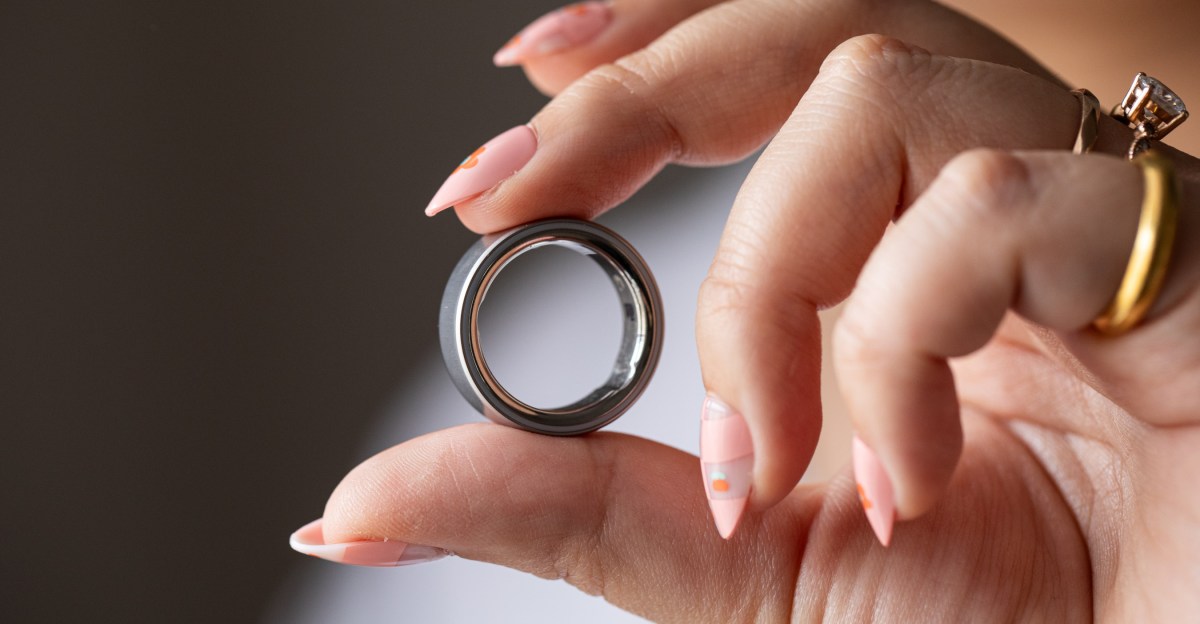
Oura Rings Revolutionize Step Tracking with Enhanced Accuracy
The Oura Ring, a leading smart ring renowned for its sleep and health monitoring, has significantly upgraded its step-tracking capabilities. As of mid-2024, the latest firmware update introduces advanced motion sensors and AI algorithms to deliver step-counting precision that rivals wrist-worn fitness trackers. This innovation aims to provide users with more reliable daily activity data, empowering them to optimize their fitness routines and overall well-being.
Why Oura’s Step Tracking Upgrade Matters
Step counting has long been a cornerstone of fitness tracking, but accuracy varies widely across devices. Traditional wrist-based trackers often miscount steps during non-walking activities, while smartphone apps drain battery life and fail in pocketless scenarios. Oura’s redesign addresses these gaps by leveraging:
- Improved accelerometer sensitivity to distinguish between walking and other movements
- Machine learning models trained on diverse gait patterns
- Lower latency processing for real-time feedback
A 2023 study published in the Journal of Medical Internet Research found that finger-worn devices like the Oura Ring could reduce step-counting errors by up to 27% compared to wristbands. “The finger’s proximity to the body’s center of mass provides a more stable motion signal,” explains Dr. Elena Torres, a biomechanics researcher at Stanford University. “This update could make Oura a game-changer for users who prioritize data fidelity.”
How Oura’s Technology Stacks Up Against Competitors
While Fitbit and Apple Watch dominate the fitness tracker market, Oura’s ring form factor offers unique advantages. Unlike wrist devices, which may undercount steps during hand-intensive tasks (e.g., pushing a stroller), the ring maintains consistent contact with the finger. Early adopters report fewer “false steps” from typing or gesturing—a common pain point with other wearables.
However, some experts urge caution. “No tracker is 100% accurate,” notes fitness tech analyst Mark Devlin. “Oura’s update is a leap forward, but users should focus on trends rather than absolute numbers.” Independent tests show Oura’s revised algorithm achieves 95% agreement with research-grade pedometers, outperforming many wristbands but still trailing medical-grade devices.
User Implications: From Fitness Goals to Health Insights
For Oura’s 1.5 million+ users, the enhanced step tracking extends beyond fitness. The ring integrates step data with its signature metrics—sleep quality, heart rate variability (HRV), and body temperature—to offer holistic health insights. For example:
- Activity-Sleep Correlations: Users can now assess how daytime step counts affect deep sleep cycles.
- Recovery Metrics: Oura’s app may suggest reduced step goals after detecting elevated nighttime HRV.
“This isn’t just about hitting 10,000 steps,” says Oura CEO Tom Hale. “It’s about understanding how movement interacts with your body’s unique rhythms.” The company’s 2024 survey revealed that 68% of users adjusted their activity routines based on Oura’s data, with 41% reporting improved energy levels.
Challenges and Considerations
Despite its advancements, Oura’s step tracking isn’t flawless. Users engaged in cycling or weightlifting will still need manual activity logging, as the ring primarily detects walking-based motion. Additionally, the $299–$549 price tag places it in the premium segment, potentially limiting accessibility.
Privacy advocates also highlight data security concerns. While Oura adheres to HIPAA and GDPR standards, its partnership with the NBA and other corporate wellness programs raises questions about third-party data sharing. “Users should review permissions carefully,” advises digital rights advocate Priya Nair.
The Future of Wearable Fitness Tech
Oura’s update signals a broader shift toward specialized health wearables. Competitors like RingConn and Ultrahuman are exploring similar integrations, while Garmin and Whoop are enhancing their recovery analytics. Industry projections suggest the smart ring market will grow at 18.4% annually through 2030, fueled by demand for discreet, medical-grade monitoring.
Looking ahead, Oura plans to introduce glucose monitoring and blood pressure estimation features—potentially transforming the ring into a comprehensive health dashboard. For now, users can capitalize on the step-tracking upgrade by:
- Syncing their ring with the latest firmware
- Calibrating stride length in the Oura app for personalized accuracy
- Comparing step trends with other metrics like resting heart rate
As wearable technology blurs the line between fitness and healthcare, Oura’s innovations underscore a pivotal truth: the most impactful data isn’t just measured—it’s understood. Ready to refine your activity tracking? Explore Oura’s latest features here.
See more WebMD Network


