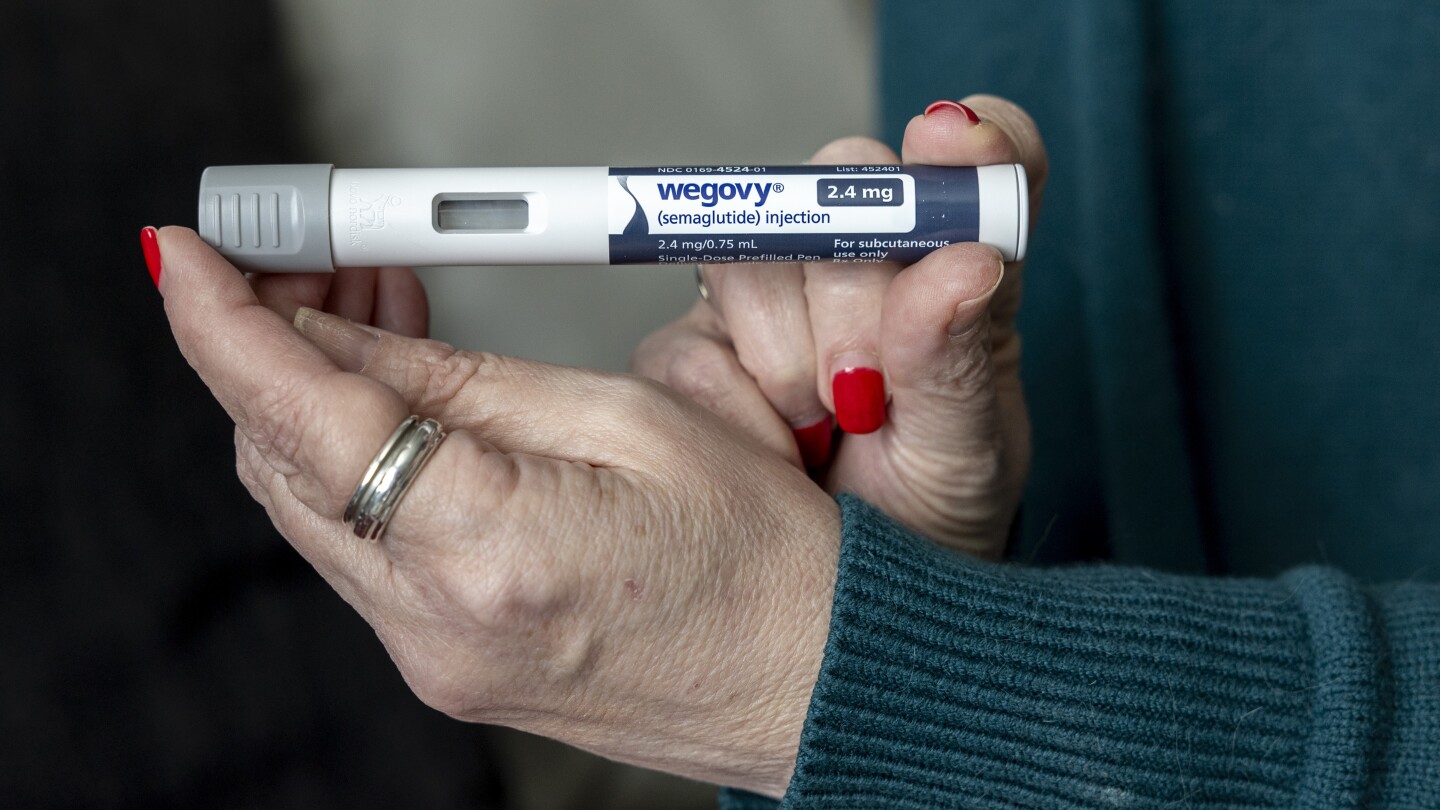
Exploring the Link: Can Obesity Medications Alleviate Alcohol Cravings?
The intersection of obesity and alcohol dependence has become a focal point for researchers aiming to tackle two significant public health challenges. A recent study has sparked interest in whether obesity medications could also serve to alleviate alcohol cravings, raising tantalizing questions about their dual benefits. As society grapples with both obesity and alcohol-related issues, understanding this potential connection could pave the way for innovative treatment options. Let’s dive into the research, implications, and the broader context of these findings.
Understanding the Problem: Obesity and Alcoholism
Obesity and alcoholism are two intertwined epidemics that affect millions globally. According to the World Health Organization, obesity has nearly tripled since 1975, while alcohol use disorder (AUD) remains a leading cause of morbidity and mortality. The relationships between these conditions can be complex; for instance, individuals struggling with obesity may turn to alcohol as a coping mechanism, while excessive drinking can lead to weight gain due to high-caloric intake from alcoholic beverages.
Moreover, both conditions share common psychological and physiological underpinnings, such as impulsivity and reward sensitivity. This overlap suggests that treatments aimed at one condition could potentially benefit the other, prompting researchers to investigate the efficacy of obesity medications in reducing alcohol cravings.
Obesity Medications: A New Hope?
Several medications are currently approved for the treatment of obesity, including:
- Orlistat
- Phentermine-topiramate (Qsymia): A combination that suppresses appetite and enhances satiety.
- Liraglutide (Saxenda): Originally developed for diabetes, it promotes weight loss by mimicking a hormone that regulates appetite.
Emerging research is examining whether these medications could also impact alcohol consumption. For instance, the appetite-suppressing properties of these drugs might reduce the desire for alcohol, akin to how they diminish cravings for food. Some studies suggest that medications like naltrexone, commonly prescribed for alcohol dependence, may also affect appetite regulation, hinting at a possible synergy between obesity treatment and alcohol craving reduction.
The Recent Study: Key Findings
A recent clinical study, published in a reputable medical journal, explored the effects of obesity medications on alcohol cravings among participants with both obesity and alcohol use disorder. The study involved a randomized control trial where participants were divided into two groups: one receiving obesity medication and the other receiving a placebo.
The findings were promising: participants taking the obesity medication reported a significant decrease in their alcohol cravings compared to those on the placebo. Additionally, those in the treatment group experienced a notable reduction in body weight, which is often associated with reduced alcohol consumption.
These results suggest a **potential link** between obesity medications and the alleviation of alcohol cravings, opening the door for further research into dual-purpose treatments. However, it is essential to approach these findings with caution, as larger studies are needed to confirm these effects and understand the underlying mechanisms.
Mechanisms at Play: How Could This Work?
While the exact mechanisms remain to be fully elucidated, several theories exist regarding how obesity medications might impact alcohol cravings:
- Neurotransmitter Regulation: Both obesity and alcohol dependence are influenced by neurotransmitters like dopamine. Medications that modify these pathways could reduce cravings for both food and alcohol.
- Hormonal Influence: Drugs like liraglutide affect hormones involved in appetite regulation, potentially making individuals less inclined to seek out alcohol.
- Psychological Factors: Alleviating obesity-related stressors and improving body image may decrease reliance on alcohol as a coping mechanism.
Implications for Treatment
The implications of these findings could be far-reaching. If obesity medications can indeed alleviate alcohol cravings, they could be integrated into treatment plans for individuals suffering from both conditions. This dual-action approach might enhance treatment efficacy and improve patient outcomes.
Moreover, integrating obesity and addiction treatments could lead to more holistic health strategies. For healthcare providers, this means considering the patient’s lifestyle and psychological well-being rather than treating each condition in isolation.
Personal Stories: Hope for Those Struggling
Beyond the clinical data, personal stories shed light on the real-world implications of these findings. Many individuals grappling with obesity and alcohol dependency find themselves trapped in a vicious cycle, where one condition exacerbates the other. For instance, Sarah, a 34-year-old mother of two, struggled with her weight while also battling alcohol cravings. After starting treatment with obesity medication, she noticed not only a reduction in her weight but also a significant drop in her desire to drink. “It felt like a weight was lifted off my shoulders,” she shared. “For the first time in years, I felt in control.”
Future Directions and Research Needs
The promising results from recent studies highlight the need for further research. Future studies should aim to:
- Investigate the long-term effects of obesity medications on alcohol cravings.
- Explore the specific mechanisms by which these medications may influence both conditions.
- Conduct larger, diverse clinical trials to ensure findings are applicable to various populations.
Moreover, collaboration between obesity and addiction specialists could foster a more integrated approach to treatment, allowing for the development of comprehensive care plans tailored to individuals’ unique needs.
Conclusion: A Path Forward
As the fight against addiction continues, the exploration of the link between obesity medications and alcohol cravings opens up exciting new avenues for treatment. While further research is needed to fully understand this relationship, the initial findings are promising. They suggest that we may be on the brink of developing integrated therapies that could address both obesity and alcohol dependence simultaneously, ultimately improving the quality of life for countless individuals.
In the quest for effective treatments, embracing innovative approaches is crucial. As researchers continue to delve into this fascinating intersection, hope remains for those struggling with these intertwined challenges. The potential to alleviate alcohol cravings through obesity medications could represent a significant step forward in addressing two public health crises simultaneously.
See more WebMD Network


